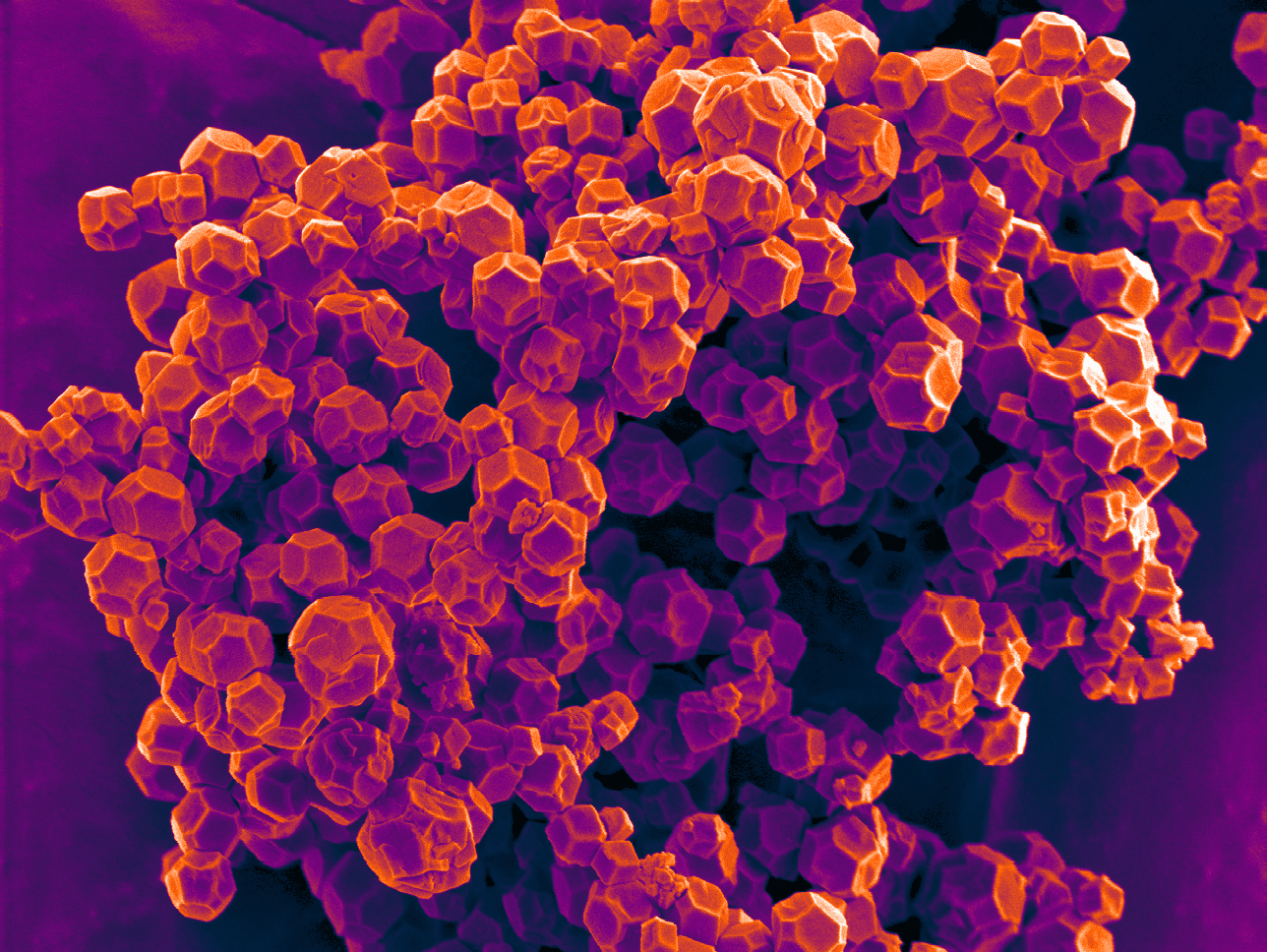
Translating pioneering research in metal–organic frameworks
Life SciencesResearch on metal–organic frameworks was recognised with the Nobel Prize in Chemistry in 2025. Today, a University spinout, Vector Bioscience, is leveraging over fifteen years of research in these nanomaterials to provide new solutions for drug delivery in some of the hardest-to-treat cancers.
Professor David Fairen-Jimenez, from the Department of Chemical Engineering and Biotechnology at the University of Cambridge, founded Vector Bioscience in 2021, working on metal–organic frameworks (MOFs), highly porous structures that can be tailored and designed at the atomic level.
With the support and expertise from Cambridge Enterprise, he co-founded the spinout alongside CEO Lluna Gallego Segrelles to ensure the full potential of the materials he was studying in the lab could be explored for improved drug delivery.
A new universal solution for the grafting of antibodies to MOFs is now being licensed by Cambridge Enterprise from the University of Cambridge to Vector Bioscience. The company is exploring how to achieve targeted delivery of macromolecules, including proteins and RNA molecules, into cells by building nano shuttles from tuned MOFs.
We spoke with Professor Fairen-Jimenez to learn more.
“Metal–organic frameworks are extremely regular,” he said. “Because they are crystalline materials, we know the position of every single atom, allowing us to select the functionalities we want to include in any given design. Do we want to have a material which is going to be more hydrophilic (water adsorbent) or more hydrophobic (water resistant) or with larger or smaller pores, for example?”
MOFs are made of three-dimensional repeating patterns of alternating metal atoms bridged by organic molecules. Professor Fairen-Jimenez and his team at Vector can alter the structure and the chemistry of these nanomaterials, tuning the properties to will. Over 100,000 different metal–organic frameworks have been identified to date. Together with the Cambridge Crystallographic Database Centre in Cambridge, his team have been building the first curated database of these materials.
With such a massive amount of new MOFs seeing the light every week, how to cut through the noise?
“It’s not a trial-and-error process”, he says. “We design the materials by using our very own AI platform and then test them in the lab to see how they perform. What we’re trying to glean is which material is optimal to link and transport a drug molecule or macromolecule. But even more importantly, what material will avoid having side effects when the nano shuttle enters a living organism? We have to make sure that these materials aren’t accumulating in our bodies and damaging cells.”
“What we’re trying to glean is which material is optimal to link and transport a drug molecule or macromolecule. But even more importantly, what material will avoid having side effects when the nano shuttle enters a living organism?”
Improving prognosis for hard-to-treat cancers
Some MOFs have already been through clinical trials in the US. At Vector, the team is leveraging the work of Professor Fairen-Jimenez’s research in the lab at the University of Cambridge to focus on oncology. Even though the prognosis for several cancers has improved dramatically over the past years, there are still some where that’s not the case, such as lung, pancreatic or colon cancer.
Antibody drug conjugates are one of the best ways clinicians have today to deliver small molecules to specific locations. However, there are several challenges – minimising side effects, transporting macromolecules and controlling the release of the pharmaceutical molecules among them.
That’s where the structure and properties of MOFs come in handy. Vector’s nanomaterials have proven to be able to control release, optimising the concentration profile of active pharmaceutical molecules inside the body. Very high concentrations will lead to side effects; low concentrations will lead to an ineffective treatment. “We need to get the balance right. We are now able to tune the materials used for the shuttles to minimise side effects while improving the efficacy and, ultimately, the quality of life of the patients, which is the main objective.”
In addition to controlled release, Vector can design these materials to target specific cells and provide high local concentrations in specific areas within our body. “By knowing this, we can also avoid accumulation in the liver and the spleen, which again is a major problem with current drugs, and difficult to achieve with existing materials.”
Macromolecule delivery has been another important focus – same targeted delivery approach, but a different cargo. “We’ve been working incredibly hard on macromolecule delivery – RNA and protein transport within the human body.” Professor Fairen-Jimenez says. “RNA molecules are probably the most important therapeutics that we have ever found, especially effective in treating cancer.”
The real bottleneck today is not just trying to find targets inside the cells, where we can block protein expression, but how to reach them. The uniqueness of Vector is the capability of transporting these macromolecules; we are essentially building nano shuttles to take these RNA molecules to where the tumour is.”
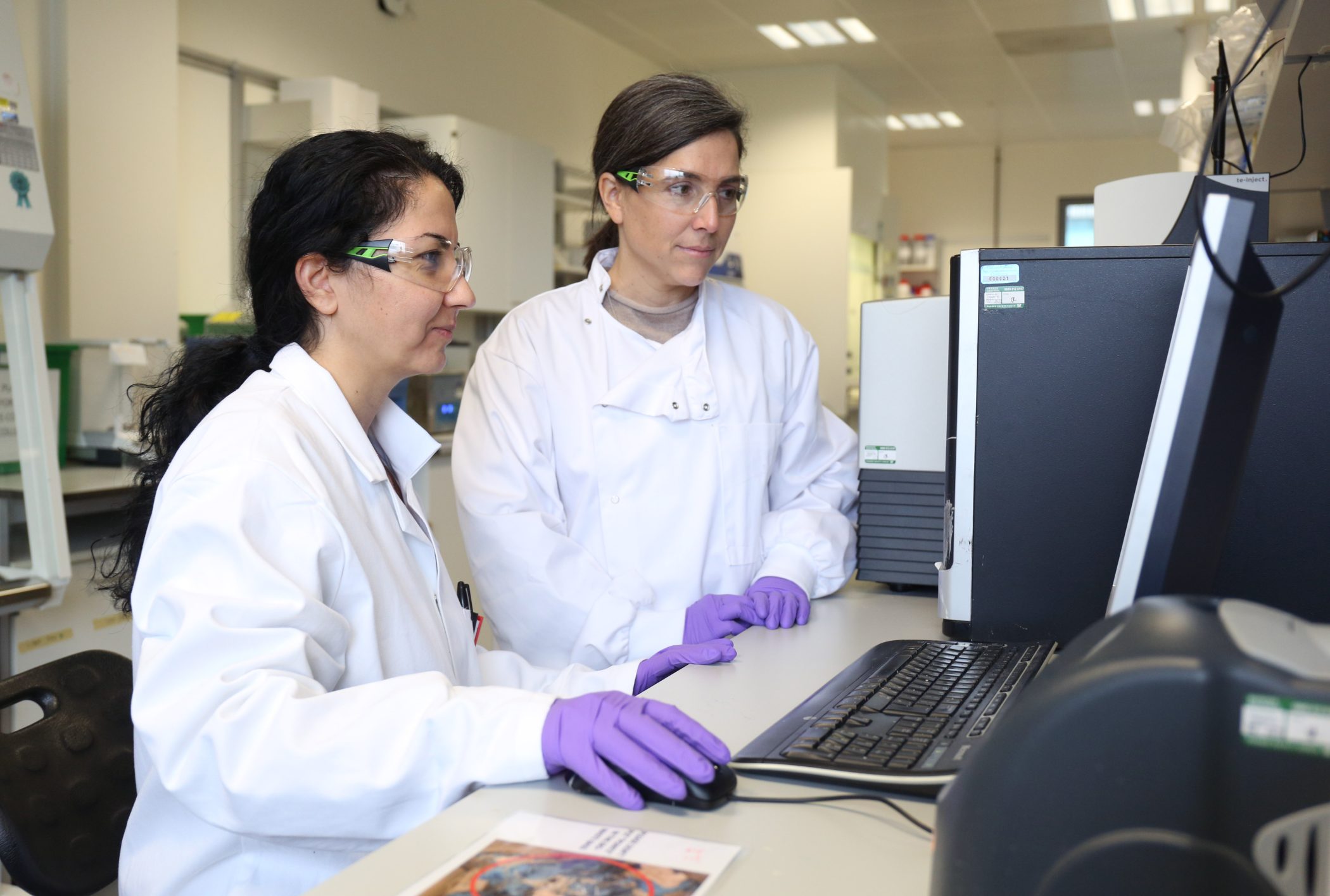
Vector Bioscience Co-founder and CEO Lluna Gallego Segrelles, right, with Dr Fatma Demir Duman, Lead scientist at Vector, left. Credit: Vector Bioscience
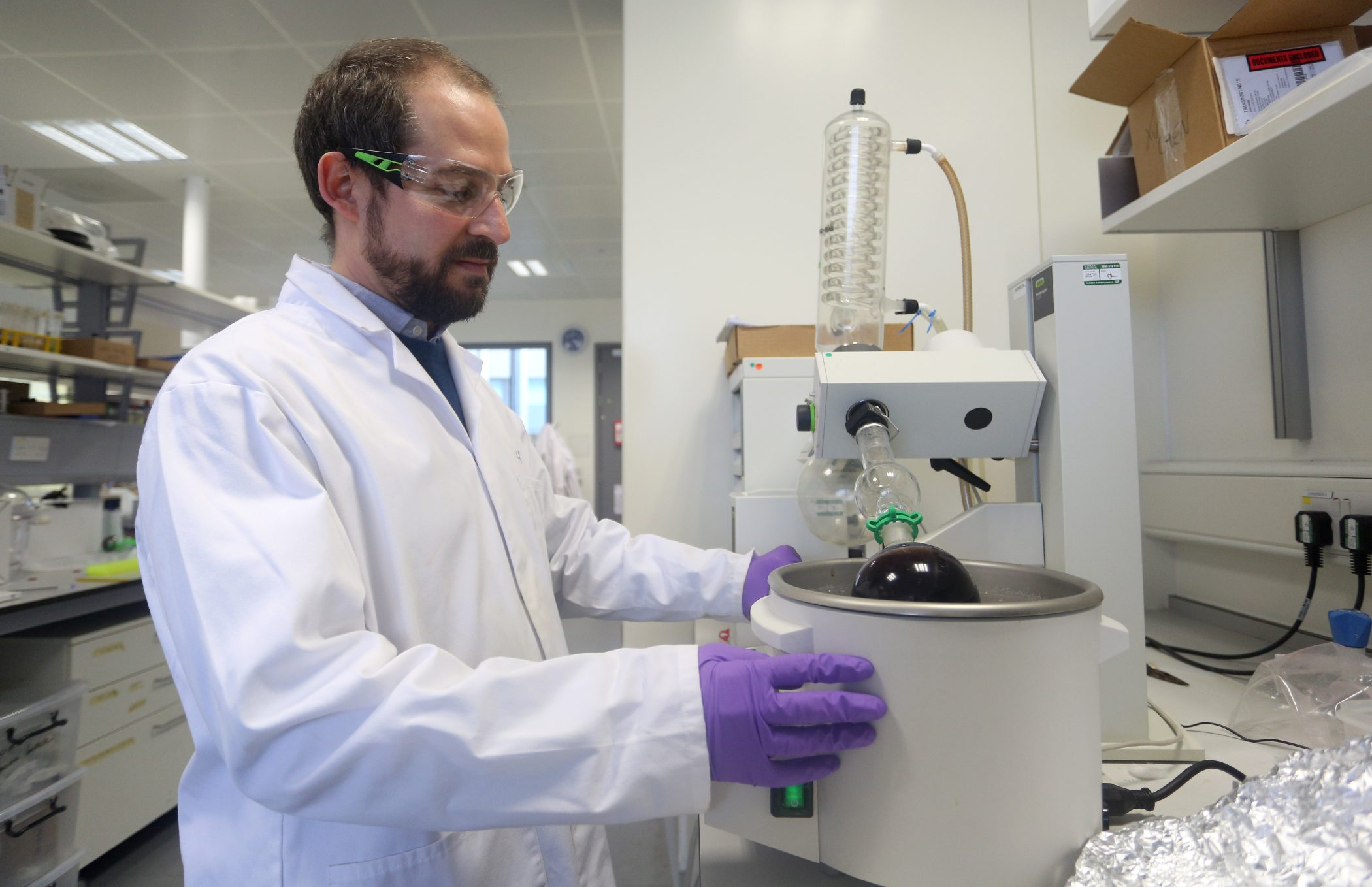
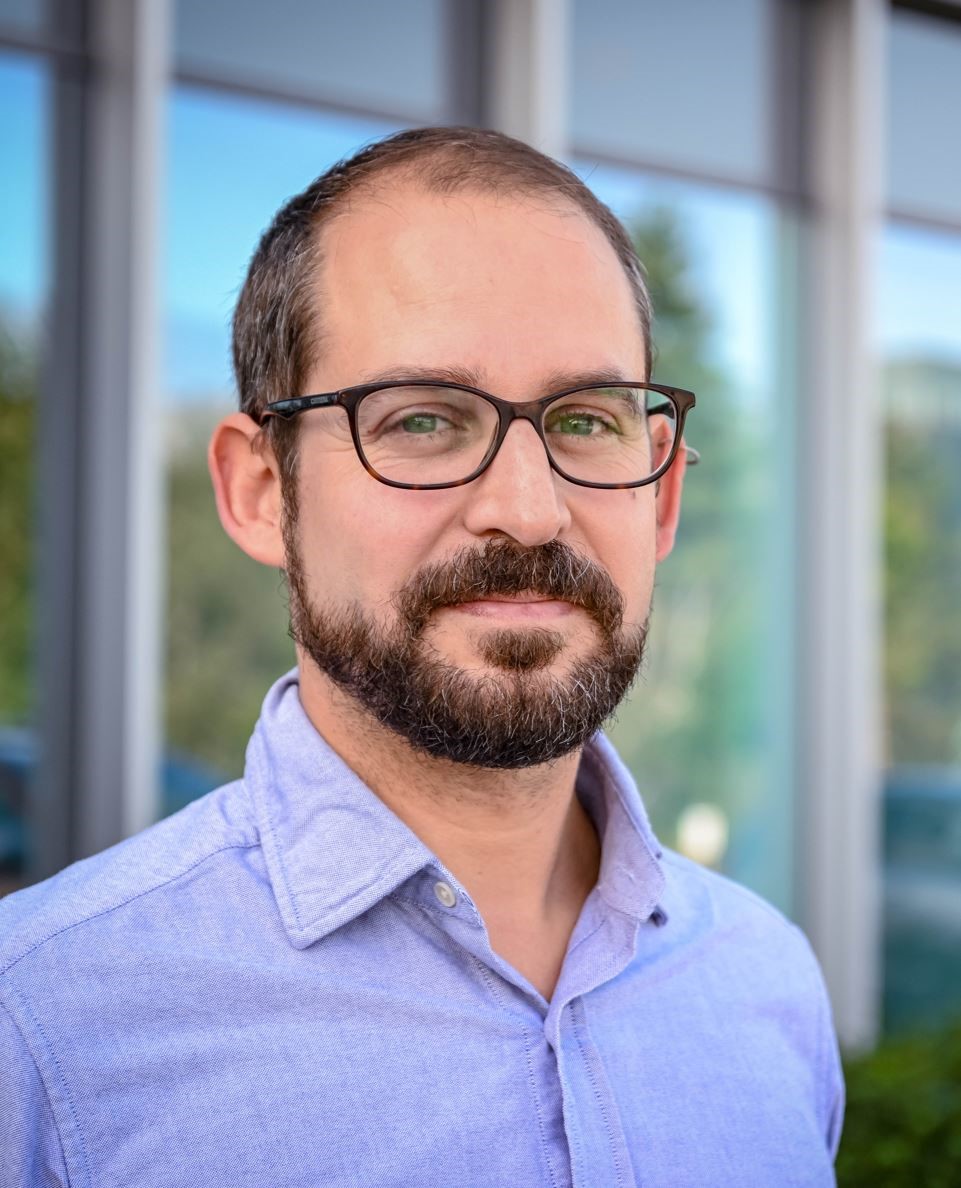
Professor David Fairen-Jimenez, Vector Bioscience CEO, in the company lab. Credit: Vector Bioscience
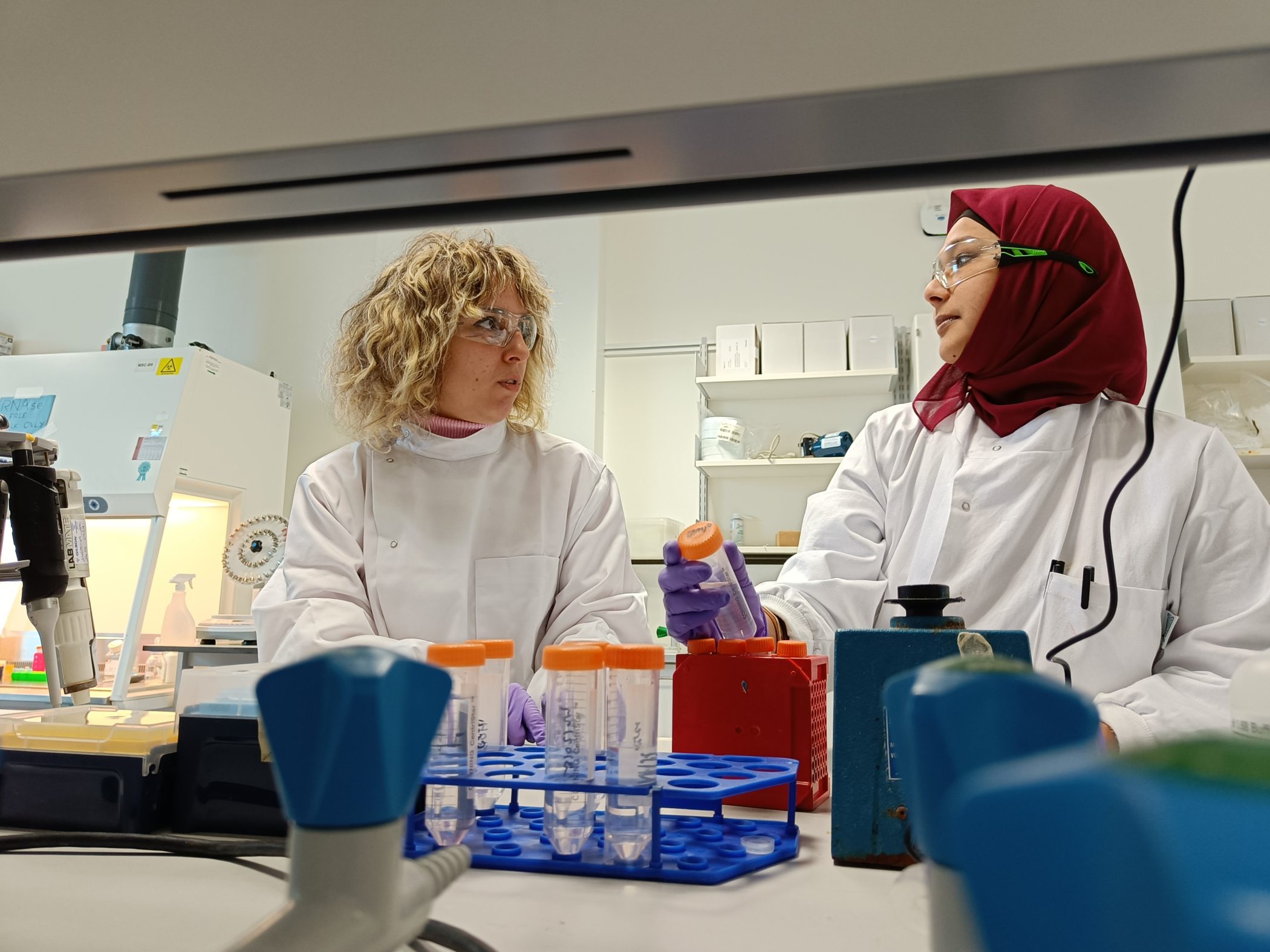
Dr Katia Caamaño, Materials Scientist, and Dr Nazeeha Ayaz, formularon scientist, working in the lab. Credit: Vector Bioscience

Progressing the idea outside of the lab
When Professor Fairen-Jimenez and his team started to see the potential of these novel materials, they approached the Technology, Development and Licensing team at Cambridge Enterprise, to see how to progress this innovation into a tangible product.
“The team at Cambridge Enterprise were excited to hear our ideas and have the knowledge and expertise that allowed us to progress through the translational process confidently,” Professor Fairen-Jimenez said.
Part of the Cambridge Enterprise’s team support is to confirm that the invention can be patented and commercialised without risk or delay. This means ensuring that the technology is novel – checking that this has not been patented yet – and looking at academic funders’ policies on what they expect to happen in the event of the research being commercialised.
Once this was determined, the Cambridge Enterprise team helped to file the patents to protect the new IP that could then be transferred into Vector, as happened recently with the new solution for the grafting of antibodies to MOFs, which is licensed from the University of Cambridge to Vector.
The initial work at Vector was funded by over £3M in grant funding from Innovate UK and an EIC Transition award from Horizon Europe. They are currently engaged in a pharma study to continue to validate the product and are actively looking for private investment and more partnerships with pharmaceutical companies. The Ventures team at Cambridge Enterprise also supported the company at the initial fund raise and continues to offer assistance to secure future investment.
When asked about the motivation behind the project, Professor Fairen-Jimenez is crystal clear: “For patients diagnosed with difficult-to-treat cancers, such as lung and pancreatic, unless detected extremely early, prognosis will not look good.”
If we can span and improve the quality of life of these patients for five, even 10 or 15 years, this will be amazing news. We have the opportunity to massively impact the lives of these patients.”