New principles for supply chain decarbonisation
SpinoutsA new commentary paper published in One Earth (Cell Press) today by founder of Cambridge spinout Neutreeno, among other leading global climate scientists, proposes a set of principles critical for effective emissions analysis and reduction across industry.
Today, reducing Scope 3 supply chain emissions is nearly impossible: 93% of companies who have set Net Zero targets by 2030 need to at least double their rate of reduction. Accurately measuring the tens of thousands of products they purchase is still a huge challenge for companies today, which are expected to report and reduce these emissions to mitigate the effects of climate change.
Greenhouse gas (GHG) emissions are categorised into three Scopes by The Greenhouse Gas Protocol. Whilst Scope 1 and 2 are easier to measure – the first relates to direct emissions from owned assets and activities and Scope 2 to purchased energy; Scope 3 is where almost all emissions happen, accounting for up to 75% or more of industrial carbon footprint. This covers the upstream and downstream emissions embedded in the goods and services a company buys, uses and sells.
This new commentary paper, signed by researchers from the UK, China and the US, proposes what they have called the Credible, Scalable, Actionable (CSA) principles. Their aim – to efficiently measure Scope 3 emissions and accelerate supply chain decarbonisation.
“It’s incredibly challenging for enterprises to solve this decarbonisation issue. Despite their ambitious targets, we are finding that most corporate effort is spent on measuring emissions for reporting, with little to no data quality or insights to make meaningful progress. Things simply aren’t moving anywhere near fast enough,” says Dr Spencer Brennan, lead author of the paper, former University of Cambridge researcher and founder of Neutreeno.
“Twenty years ago, the industrial sector was producing 33% of all carbon dioxide emissions. Today, it’s at 47%. We’ve gone from roughly a third to half of total CO2 being produced or consumed by industry,” he continues. “For the world to remain habitable, we desperately need to find effective ways to track Scope 3 and cost-competitive leavers for reduction across industry. That’s where these principles come in.”

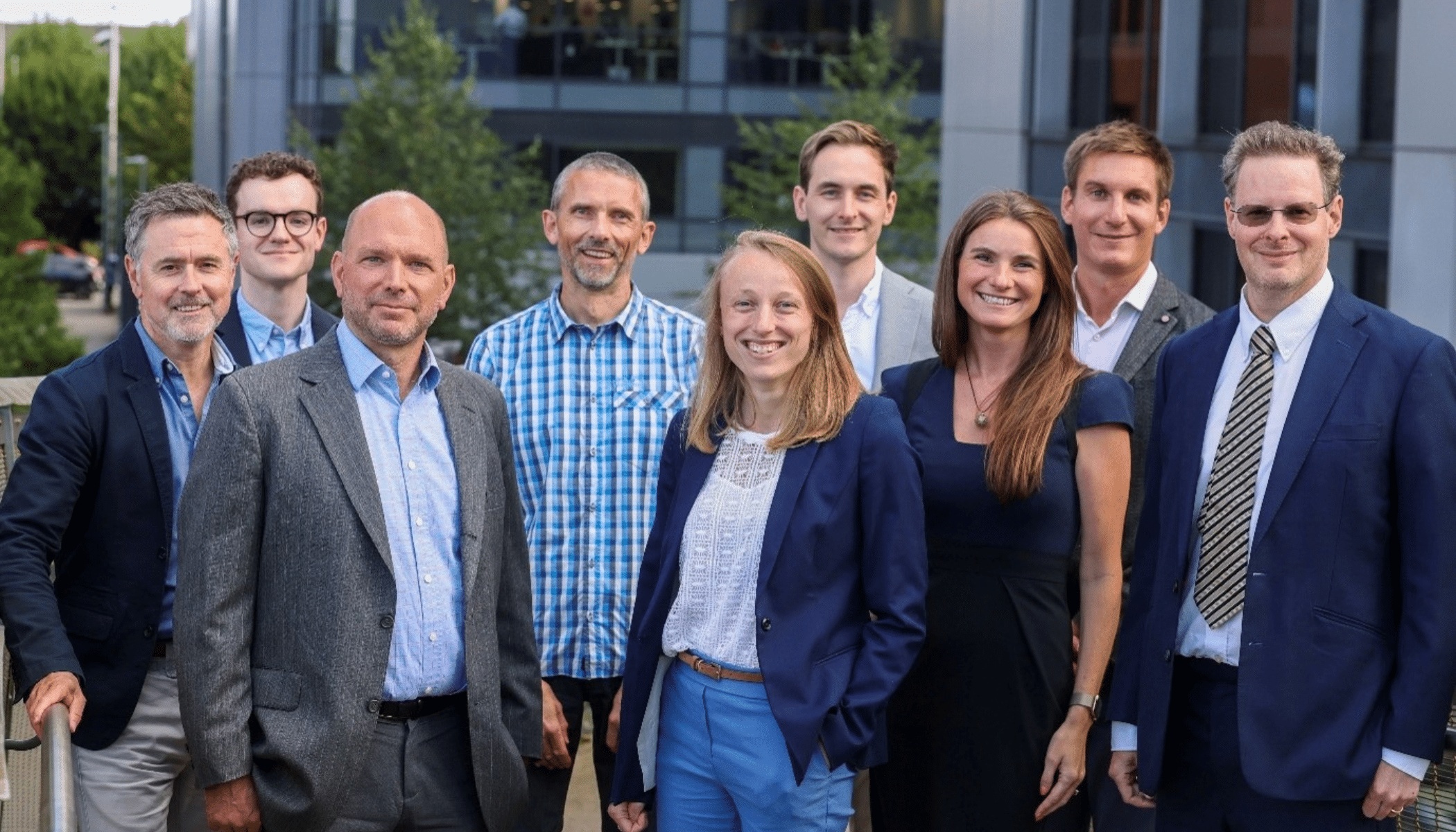
Left to right: Dr Spencer Brennan and Professor Jonathan Cullen
The three principles draw on research across multiple universities, including contributing authors to the Greenhouse Gas Protocol, International Standards Organisation, Science-based Targets initiative and the International Panel on Climate Change (IPCC). They aim to define the minimum conditions for what good looks like for policymakers and corporations. The principles directly underpin confident choices in product procurement, design, innovation and supply chain partnership. Without this, the researchers say, Scope 3 initiatives are largely detached from real decarbonisation outcomes.
Going through each principle, the researchers define Credibility by the compilation of accurate emission measurements, which is achieved by collecting primary data directly from suppliers at the process level, whilst securely maintaining supplier confidentiality.
Scalability addresses the practical reality that these types of emissions span thousands of suppliers, which no resource-intensive manual process can effectively reach. With Actionability, the authors stress that data must inform decisions, provide valuable improvement opportunities and be trackable.
In essence, the paper’s thesis is that data must be auditable and delivered through fast and affordable digital systems which can provide comparability, scalability and, most crucially, direct decarbonisation insights that companies can then act on, instead of just report on.
These principles have already been validated by Cambridge spinout Neutreeno, in its ongoing collaborations with major multinational companies such as Danone, L’Oreal, National Grid, Sony or Specsavers.
Time to act today
Climate change is one of the biggest challenges faced by humankind today, with its consequences being felt deeply in the UK and beyond.
“In Europe, there's been an estimated 20,000 excess deaths from heat-related causes, with three big extreme heat events in Europe and on the continent since the start of the year,”

Without an action plan for corporate Scope 3 emissions, not only can companies not track their biggest source of emissions, but global industrial decarbonisation will stall. This has implications for financial institutions, which lose the chance to direct capital towards low-carbon producers, as well as for regulators, which cannot evaluate progress against national and international climate commitments without clear and accurate data.
Research into practice: Neutreeno
The lead author of the commentary paper is Dr Spencer Brennan, who, alongside Professor Jonathan Cullen, leveraged two decades of research from their work at the University of Cambridge to build Neutreeno.
Formed by a team of IPCC climate scientists and low-carbon tech engineers, the spinout is backed by the Cambridge Engineering Department’s Resource Efficiency group, the Judge Business School, Innovate UK, and major investors from around the globe, with Cambridge Enterprise Ventures as one of the first institutional backers of the project in 2024.
Using proprietary process networks and advanced engineering models, Neutreeno has built the most advanced model of how products are made, helping businesses not just measure Scope 3 emissions, but decarbonise them and cut costs at the same time. The principles advocated by in this commentary paper actively influence the way Neutreeno works with companies around the globe, helping them track, measure and decrease their Greenhouse emissions with processes and protocols backed by the latest science in the field.
Dr Christine Martin, Head of Cambridge Enterprise Ventures, said:
“Neutreeno is approaching the challenge that climate change poses with a science-first perspective, and this commentary paper is a testament to it. The company is already having an impact, working with some big names, including the University of Cambridge, to improve the way we report and act on carbon footprint. Backing them early has been highly rewarding and we are extremely proud to see their achievements and impact as a leading player in this field.”