Pre-seed for AI-driven tech turning waste into sustainable aviation fuel
VenturesNeela Biotech, the Cambridge-based biotech startup turning waste into sustainable aviation fuel (SAF), today announced it has raised £2.1 million in pre-seed funding to take its technology from the lab to a pilot-scale trial at a biogas plant over the next two years.
The investment comes as the aviation industry searches for a way to scale sustainable fuel production beyond today’s limited feedstock supply – a challenge sharpened by this year’s spike in global jet fuel prices.
Neela Biotech transforms diverse waste streams from food, agriculture and forest residue, into sustainable aviation fuel through an AI-guided, controlled microbial process. The process converts these waste streams into fatty acids, a critical precursor for HEFA-based SAF production, unlocking an abundant new feedstock in place of scarce waste cooking oils.
Around 95% of the SAF made today is produced using HEFA, a process that converts waste cooking oil and other fats into fuel. HEFA-based SAF is the industry’s most established method, but it depends on a limited supply of feedstocks, which caps how far it can scale. HEFA is the cheapest SAF on the market today but still costs about 1.5 times more than standard jet fuel, and newer methods such as e-SAF (fuel made using renewable electricity) can cost up to 10 times more.
With the UK importing more than half its jet fuel from the Middle East, airlines remain exposed to volatile prices and energy security risks, with the resulting costs increasingly passed on to consumers through higher ticket prices.
A scalable alternative to sustainable aviation fuel
Neela has set out to offer both a scalable and cost competitive alternative to these existing SAF methods. Rather than developing a new production process from scratch, Neela re-engineers an established one. Its technology is built on anaerobic digestion – the same process already running at scale in biogas plants across Europe. By deploying into this existing infrastructure, rather than building new facilities, Neela substantially lowers the capital expenditure required to produce SAF at scale. It also gives UK biogas plant operators a new source of income, supporting a sector where many plants are at risk of closing as government subsidies for biogas run out.
Neela’s process is also low-energy by design, replacing the energy-intensive thermochemical processes used in conventional SAF production with a microbial alternative. By using alternative waste-derived feedstocks and existing biogas plants, it reduces reliance on fossil fuels and exposure to oil price volatility and geopolitical instability. These risks have become acute in 2026; the closure of the Strait of Hormuz has already disrupted roughly a fifth of the world’s oil supply, pushing jet fuel prices up and compounding vulnerabilities already exposed by Europe’s shift away from Russian energy supplies. This year alone, the global airline industry’s fuel bill is set to rise by $98 billion.
Taken together, these advantages give Neela a credible path to cost parity with fossil jet fuel at scale, something neither HEFA nor e-SAF has achieved on its own.
Dr Deepanshu Singh, CEO, said:
“Most SAF today is made from waste oils and fats through HEFA. But the world burns 300 million tons of jet fuel every year, and there is simply nowhere near enough waste oil and fat to meet this demand.
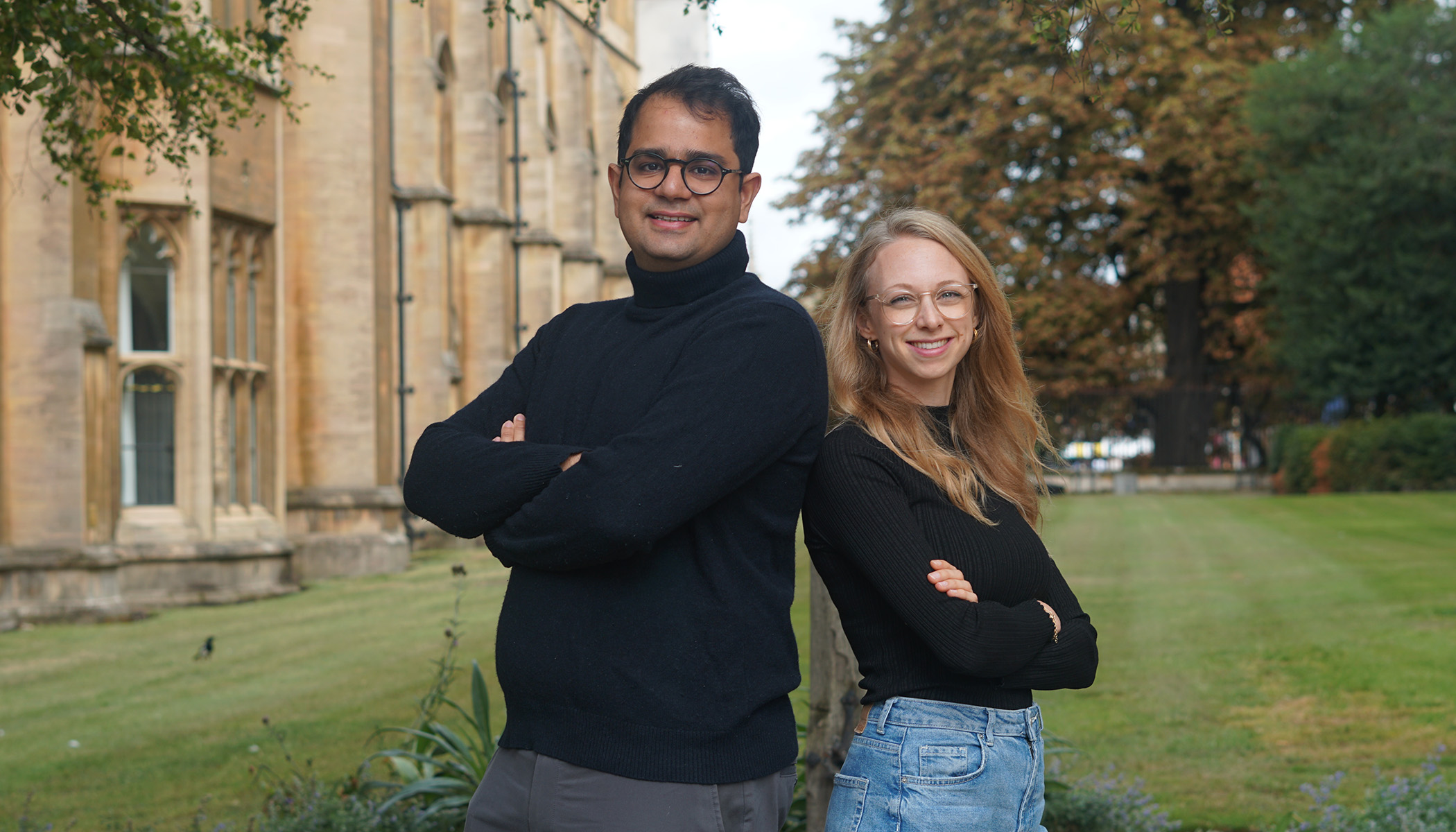
“...there is simply nowhere near enough waste oil and fat to meet this demand. When Friederike and I founded Neela Biotech, we set out to make HEFA-SAF cheaper and scalable.”
He continued,
“Our Controlled Microbial Upcycling process leverages recent advances in AI-driven synthetic biology to convert diverse waste streams like food and agriculture waste into HEFA-compatible feedstocks. By integrating our technology with existing biogas plants, we can reduce capital requirements, accelerate deployment, and enable distributed, local production. The £2.1 million funding round, led by Elbow Beach, will help us scale towards our pilot and move us closer to making locally produced SAF cost competitive with fossil fuel.”
Pre-seed fundraise to fuel scale-up
The round was led by Elbow Beach, one of the UK’s most active specialist climate investors, with a £1.5 million pre-seed investment. The total £2.1 million round investment includes participation from Ascension, Cambridge Enterprise Ventures, Ventures Together and strategic angel investors and will enable Neela Biotech’s scale-up to move into pilot-scale trial. Neela is also part of the IAG innovation program and has secured grant funding from Innovate UK and the Henry Royce Institute.
Jonathan Pollock, CEO of Elbow Beach, said:
“Aviation’s fuel bill is only going one way, and the industry urgently needs alternatives that can scale commercially. Too much SAF technology solves for cleaner fuel without solving for cheaper or more available fuel, largely because it still depends on limited feedstocks like waste cooking oil.
Neela’s approach is different as it builds on infrastructure that already exists across Europe, avoiding the capital costs that have held back other SAF players, while its low-energy process gives it a credible route to cost parity with fossil jet fuel. It’s that combination of capital efficiency and genuine potential for commercial deployment that convinced us to lead this round from pre-seed through to pilot.”
Meeting and growing with Cambridge Enterprise
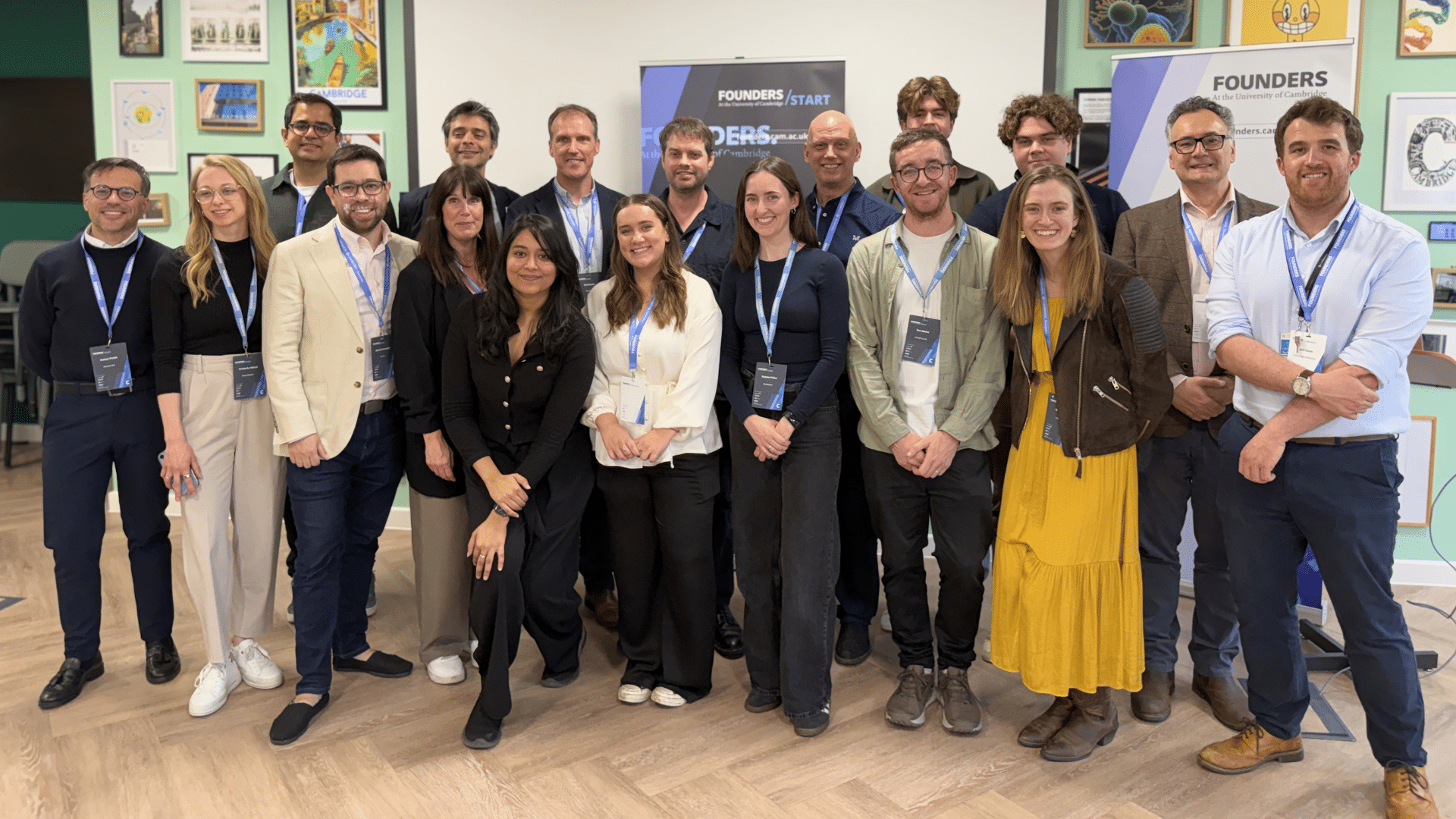
Building on research from the Department of Engineering at the University of Cambridge, co-founders Deepanshu Singh (CEO) and Friederike Nintzel (CTO) met through Founders at the University of Cambridge programmes and their drive to address the energy security crisis and the climate impact of aviation led them to the START 3.0 cohort in May, culminating in today’s Investor Day taking place at Google London.
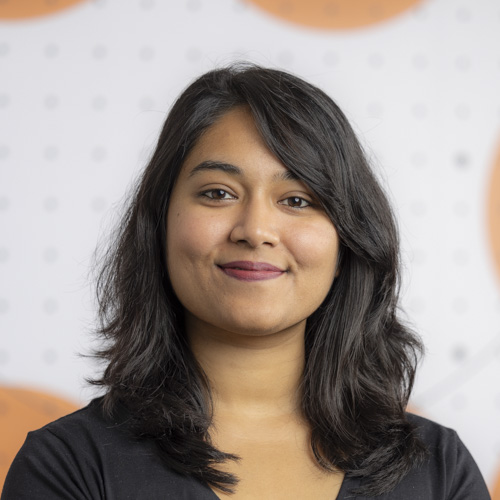
“This raise is the culmination of six months of quiet, relentless execution. While the round was coming together, Deepanshu kept deepening customer conversations & sharpening the long-term model for where this business is headed.”
She continued:
Being an internal thinking partner for the team has been one of the real pleasures of the START cohort. Deepanshu and Rike are both quiet compounders – and if this is what six months builds, I’m genuinely excited to see where the next six take Neela Bio.”
Read more
Find out more about Neela Biotech and the Founders at the University of Cambridge START 3.0 cohort
Download Founders START 3.0 Lookbook