Amanda Zeffman appointed ASTP President
Cambridge EnterpriseArticle by Amanda Zeffman, Head of Academic Consultancy and Research Tools at Cambridge Enterprise
ASTP, the pan-European association for knowledge transfer professionals, is in a strong position. With almost 2,000 members across Europe and beyond, the association has exceptional community engagement through our special interest groups, and a broad, expanding programme of events and training. ASTP also plays an important role as the voice of the knowledge transfer community with the European Commission.
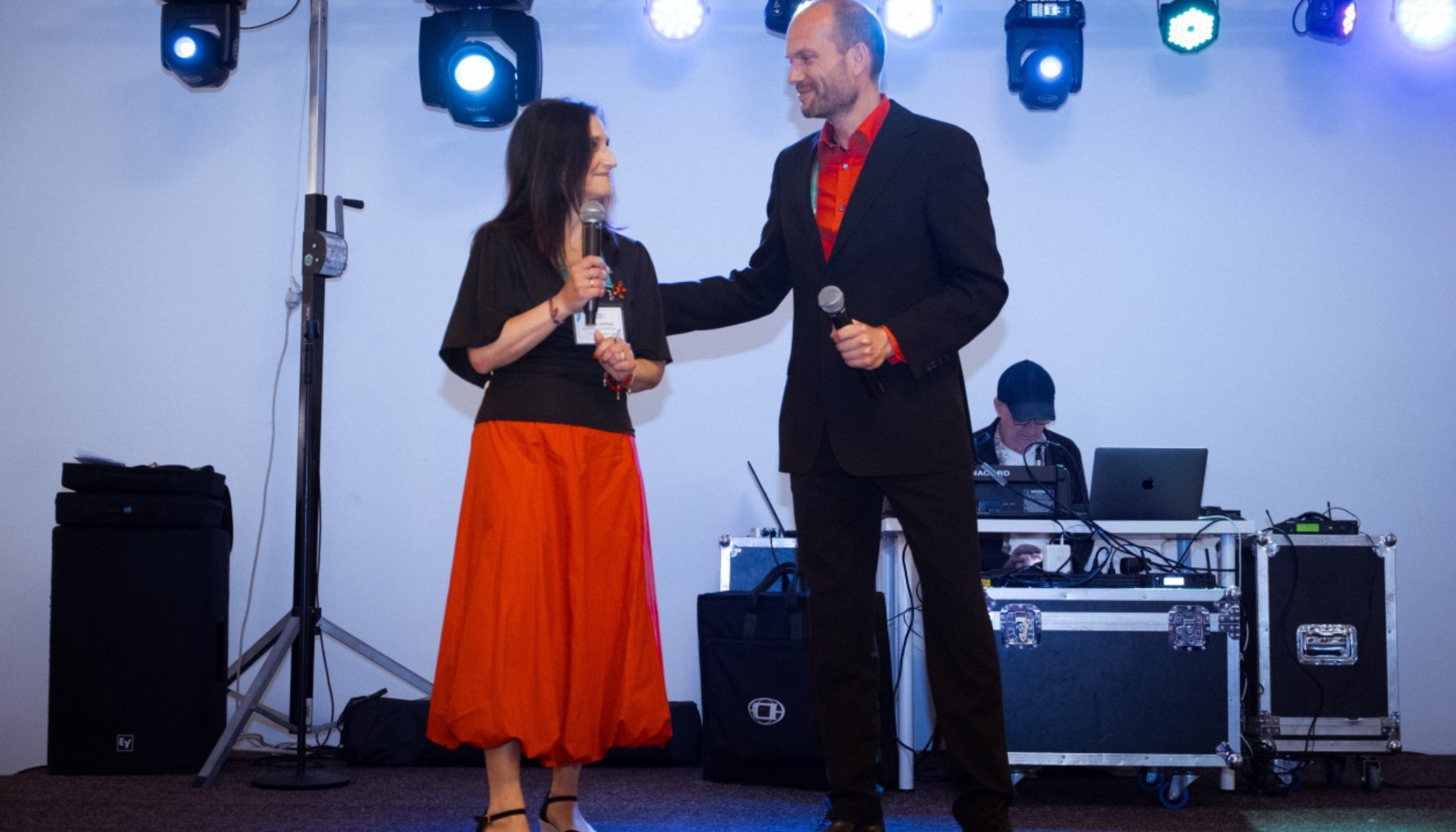
Earlier this month, I was elected ASTP President for 2026/27. I am deeply honoured by the opportunity, genuinely excited, and very aware of the responsibility that comes with it.
This is an extraordinary community, one in which I have built lasting friendships over the years and encountered talented professionals from around the world, many of whom are only ever a call or email away. What has always stood out to me is the generosity of this community: people who are deeply committed, willing to share their experiences openly, and just as ready to discuss lessons learned from setbacks as they are to celebrate success.
I have been part of ASTP for fourteen years, most of that time serving in a volunteer capacity. I began on the Conference Programming Committee before joining the Board, where I led Professional Development through the turbulent Covid years, when ASTP moved quickly to take training online so that members could continue benefiting from our portfolio of services. Most recently, I have served as Vice President for Events.
Becoming President of ASTP has made me reflect carefully on both the challenges facing our community and the contribution I hope to make. I believe my own background brings a slightly different perspective. My focus has been on less traditional routes to research impact, particularly consultancy and research tools licensing.
I have worked in the valorisation and knowledge exchange sector for almost eighteen years, most of them as Head of Consultancy Services at Cambridge Enterprise, the innovation arm of the University of Cambridge.
In my role, my team and I manage hundreds of consultancy agreements for our researchers each year, more than 500 in the last financial year alone, bringing in more than £12M in revenue most of which is returned to the University and academic researchers themselves. More importantly, consultancy activity and licensing of research tools (such as cell lines, antibodies, software created by researchers for their own research that is useful for other external research companies and institutions to use in their research) enable our researchers to generate societal and economic impact. It allows them to do so in pretty short timescales and to gain a number of wider benefits such as building relationships with industry, future research collaborations and access to career opportunities.
This sits within the wider context of Cambridge Enterprise’s work with over 2,700 academics annually, supporting them across the translational journey from consultancy, licensing and technology development across all areas of the translational journey, including entrepreneurship education, early-stage acceleration and venture building.
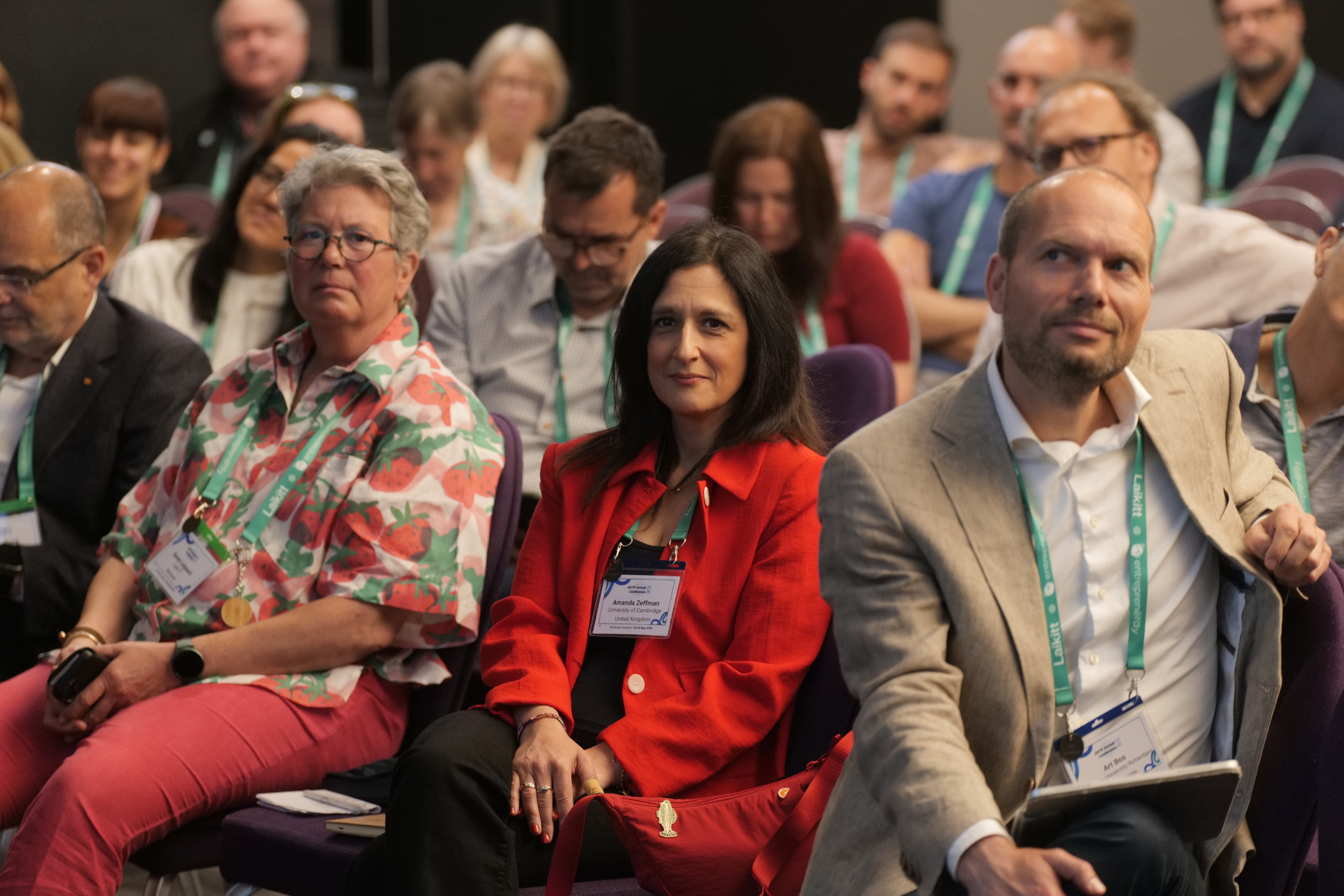
The challenges facing knowledge transfer professionals are significant, but so too is the strength of our position. ASTP membership has doubled in just a few years. That growth is a testament both to the value of ASTP’s work and to the continuing need for learning, exchange and professional community in our field.
Knowledge transfer is also evolving rapidly. The most obvious example is artificial intelligence, which is already reshaping our sector at every level. ASTP must be the place where our community can make sense of these changes and navigate them with confidence through training, through discussion, and through the sessions we convene at our events. For example, next February we will host a dedicated mini-conference on #AI.
All of this connects to another major priority: capacity building, approached with a truly global perspective. How do we support less affluent regions with enormous unrealised potential? How do we ensure that high-quality development and training are delivered in ways that are as accessible as possible?
ASTP is already making real progress here. I am enormously proud of the breadth of training now on offer, delivered in a wide variety of formats. In recent years, we have also seen the emergence of special interest groups, creating space for important conversations for example; on legal issues, AI, SHAPE (Social sciences, Humanities and Arts for People, planet and the Economy), impact and the opportunities presented by digital innovation to name a few.
Highly skilled knowledge transfer professionals are essential if we are to maximise the impact of academic research and that impact has never mattered more. Whether the challenge is antimicrobial resistance, climate change or food security, our work has a crucial role to play. ASTP should be at the forefront of that effort. It is an ambitious goal, certainly, but one I believe we can achieve together.