Licensing opportunities
Life sciences
Our licensing opportunities in Life sciences are shown below.
-
Humanised anti-CD4 monoclonal antibody
Humanised anti-CD4 monoclonal antibody to prevent antigen-specific immunological responses to life-saving therapeutic proteins. Proof of mechanism has been demonstrated preclinically and in man.
-
The General Practice Assessment Questionnaire (GPAQ)
The General Practice Assessment Questionnaire (GPAQ) is a patient questionnaire that helps practices find out what patients think about their care. It specifically focuses on aspects of general practice that are not covered elsewhere in the Quality and Outcomes Framework - for example, access, inter-personal aspects of care and continuity of care.
-
Novel Affinity Ligands for Process Scale Antibody Purification
High specificity, low cost synthetic ligands which are useful to manufacture therapeutic antibodies and other biopharmaceuticals. This technology, developed by Professor Chris Lowe and colleagues in the Department of Chemical Engineering and Biotechnology, offers the potential to replace Protein A or Protein G in commercial bioprocessing.
-
Empathy/Systemizing Quotient (EQ-SQ)
Empathy Quotient (EQ), Systemizing Quotient (SQ) and Empathy/Systemizing Quotient (EQ-SQ) are questionnaires developed by Professor Simon Baron-Cohen and colleagues at the Autism Research Centre and available for licensing. They aim to test if adults, adolescents or children of average intelligence have Asperger syndrome or high functioning autism. A suite of tests developed by the team for diagnosing autism found at the following link are also available for licensing: http://www.autismresearchcentre.com/arc_tests
-
Quantitative Checklist for Autism Toddlers
The Quantitative Checklist for Autism in Toddlers (Q-CHAT) is a questionnaire developed by Professor Simon Baron-Cohen and colleagues at the Autism Research Centre and available for licensing. Consisting of twenty-five questions, it aims to identify children aged 18-24 months who are at risk of having social-communication disorders. A version with 10 questions is also available. A suite of tests developed by the team for diagnosing autism found at the following link are also available for licensing: http://www.autismresearchcentre.com/arc_tests
-
Autism Spectrum Quotient (AQ)
The Autism Spectrum Quotient (AQ) is a questionnaire developed by Professor Simon Baron-Cohen and colleagues at the Autism Research Centre and available for licensing. Consisting of fifty questions, it aims to test if adults, children or adolescents of average intelligence have symptoms of autism or one of the other autism spectrum conditions. A suite of tests developed by the team for diagnosing autism found at the following link are also available for licensing: http://www.autismresearchcentre.com/arc_tests
-
Embryo Culture Method
A novel method that enables embryos to be cultured in vitro past the implantation stage, which has been previously unachievable. Culturing embryos past this point allows development to be closely monitored, but also will enable generation of a much larger number of pluripotent stem cells than can be isolated from embryos using current methods. This method will therefore be of great use to both developmental and stem cell research communities. In addition it will aid understanding embryo development at a critical stage of pregnancy thereby facilitating the optimisation of in vitro fertilisation techniques.
For more information see the publication Morris, S et al, Nature Communications 2012 Feb 14;3:673:
http://www.ncbi.nlm.nih.gov/pubmed/22334076
-
Stable human cell line for ubiquitin research
A stable human cell line expressing multiple copies of biotinylated ubiquitin under tight control by tetracycline. This cell line enables clean and easy identification and quantification of ubiquitin substrates, studies of ubiquitination mechanisms and ubiquitination inhibitor screens. Ubiquitination is thought to be a key signaling mechanism in diseases such as cancer and these cells will be a powerful tool for the ubiquitin research community.
-
Viral CD30 for treating inflammatory disease
A viral CD30 polypeptide that may be used to treat inflammatory diseases for example autoimmune diseases, rheumatoid arthritis, systemic lupus erythematosus or multiple sclerosis. Viral CD30 works in the same way as human CD30 antibodies to neutralise interactions between CD30 ligand and its receptor but may have additional effects to CD30 antibodies by inducing signalling in cells expressing CD30 ligand.
-
Eliminating HCMV infected cells from bone marrow transplants
A method of identifying and eliminating human cytomegalovirus infected cells from bone marrow transplants. This technology has the potential to increase survival rates of transplant recipients and to reduce disease complications in transplant recipients.
-
Method and apparatus for assessing cardiovascular fitness
A novel method and apparatus for monitoring the performance of a person undertaking exercise to assess their cardiovascular fitness, in particular, by calculating VO2 max, the maximal oxygen uptake per unit time.
-
Artificial pancreas technology
System for monitoring and controlling levels of glucose in type 1 diabetes patients using an interacting multiple model strategy.
-
KidzEyez: a visual perimeter system for young children
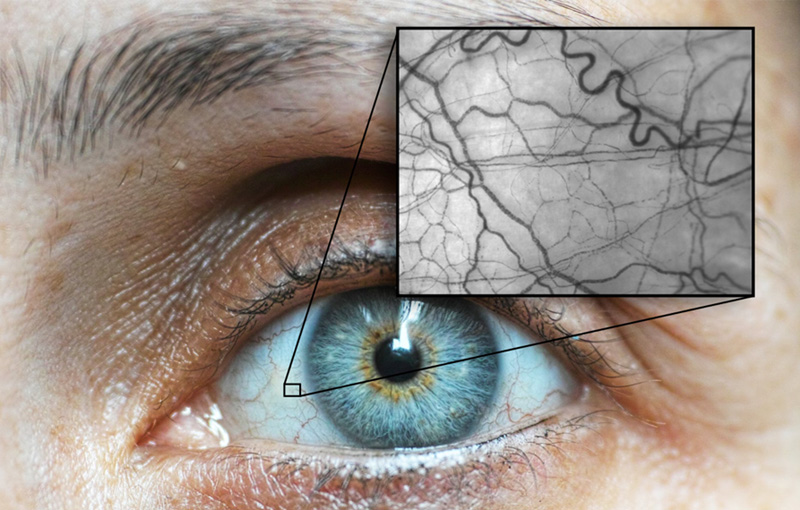
Early diagnosis of brain tumours in children relies on accurate assessment of their visual field. However, current visual perimeters (visual field analysers) are impossible to use in young children. KidzEyez is a child-friendly perimeter system that can aid in the early diagnosis of tumours. KidzEyez also allows the clinician to accurately monitor and record tumour progression, helping them preserve sight and life.
For more information, see the video:
http://www.cam.ac.uk/research/news/researchers-develop-new-test-for-children-with-vision-loss/
-
Therapy for Preterm Infants
Administration of a recombinant protein known to be involved in preventing oxidative stress to preterm infants shortly after birth is therapeutically beneficial to protect against complications of prematurity and to reduce the costs of neonatal intensive case.
-
Generation of origin-specific vascular smooth muscle cells
Origin-specific vascular smooth muscle cells have been generated from embryonic stem cells including iPS cells using chemically defined culture conditions. The derived cells have been extensively characterized including functional characterization. Broad applications in vascular regenerative medicine.
-
Novel Series of 5-HT1B Antagonists for Pulmonary Arterial Hypertension
A novel drug-like series of 5-HT1B antagonists with excellent potential for treatment of pulmonary arterial hypertension (PAH) with a low side effect profile and in-vivo data showing reversal of PAH.
-
Simulator software
Executable and source code to represent glucose regulation of type 1 diabetes.
-
Transgenic mice with fluorescently labelled intestinal K-cells
Enables exploration of mechanisms involved in glucose dependent insulinotropic polypeptide secretion with the potential to identify targets in these cells that could be exploited therapeutically for treatment of obesity.
-
Haploid mouse embryonic stem cells
Novel method to derive haploid mouse embryonic stem cells (ESC) for forward genetic screening. Several different lines are currently maintained, including from different mouse strains and transgenic lines. Main use to facilitate forward genetic screening; homozygous mutation libraries could be easily generated.
-
Gel beads in microfluidic droplets
An innovative system for selectively entrapping proteins and nucleic acids within microfluidic gel beads, enabling high-throughput screening in directed evolution experiments and the isolation of positive clones via FACS.
-
Endometriosis Mouse Model
Unlike currently existing endometriosis mouse models, this novel allograft model is an immuno-competant mouse that produces viable endometriosis-like lesions. This model will be useful in screening and identifying compounds for use in the treatment of endometriosis. Other applications include investigating the pathogenesis of endometriosis, identifying target genes or others factors associated with endometriosis.
-
Recombinant Human Activin A
High purity Activin A available in large quantities from E Coli, useful as an additive in stem cell culture and as a mesoderm inducer in developmental biology.
-
W-12 Cell Line
Human keratinocyte cell line useful in research related to human papillomavirus type 16 (HPV16) and cervical carcinoma.
-
Transgenic mice with fluorescently labelled proglucagon-expressing cells
Enables exploration of mechanisms underlying GLP-1, PYY and glucagon release, with the potential to identify targets in proglucagon-expressing cells that could be exploited therapeutically for the treatment of diabetes and obesity.
-
Recombinant Human RAD51
Large quantities of recombinant full-length human RAD51 useful for biochemical and biological assays including for DNA strand exchange, protein-protein/protein-DNA interaction studies in vitro and in vivo and Western blots.
-
Novel Apoptosis Imaging Agents
A novel agent for use in molecular imaging of apoptotic cells that can be cross-linked to a variety of contrast agents and is highly suitable for use with imaging technologies such as MRI, PET and SPECT. This imaging agent may be useful as a prognostic indicator of treatment outcome for cancer or cardiac plaque formation.
-
Novel Biomarker for Assessing DNA Damage
Our researchers have identified the earliest known marker for DNA damage. Phosphorylation of residue Thr51 of protein HP1β occurs within minutes of the onset of DNA damage. A robust, specific polyclonal antibody to the phosphorylated form of this protein has been developed which is an effective biomarker for DNA damage. This has excellent potential for use as a biomarker in clinical applications such as the diagnosis, prognosis and predictive response of individuals to cancer therapy.
-
Novel Controller for Navigation of 3D Medical Imaging Data
Novel controller for navigation of 3D medical imaging data that enables interactive 2D reformatting of, and navigation through, volumetric imaging data, such as data from CT or MRI, whilst avoiding visual distraction.
For more information see the video:
-
Improved Ultrasound Imaging Technique
Improved ultrasound imaging technique known as strain imaging that distinguishes between harder and softer regions in human tissue and provides more accurate and better quality images. Can be used for detecting tumours in the breast, prostate and neck and distinguishing between malignant and benign lumps as well as for other diagnostic applications including detecting and grading Deep Vein Thrombosis.
-
Electrode Microchannels as Axonal Amplifiers
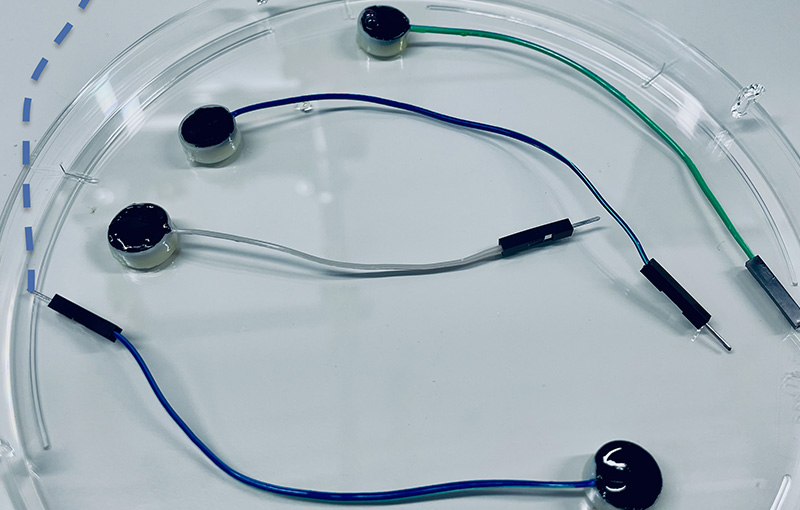
An ideal limb prosthesis is one that the patients can naturally wear and control. This can be achieved through the use of an implanted neural interface that records neuronal signals that can be used to control the prosthesis. The neural interface developed here allows damaged nerve fibres to regenerate through an array of electrode-coupled microchannels in a way that increases signal levels and decreases the incidence of crosstalk.
-
Cell Culture Model for Huntington's Disease
Two stable inducible rat phaeochromocytoma (PC12) cell lines expressing GFP-tagged exon 1 of the Huntington gene with either 23 or 74 glutamine repeats (PC12 HD-Q23 or PC HD-Q74), driven by a doxycycline-dependent Tet-On promoter. These cell lines can be used for in vitro studies to evaluate compounds to treat Huntington's disease.
-
Novel Murine Model of Advanced Vulnerable Atherosclerosis
Transgenic mice are engineered so that on induction they rapidly and predictably develop a disease state that shares major features of advanced vulnerable atherosclerosis in humans. This valuable model is highly suited to studies of cardiovascular drugs which stabilise atherosclerotic plaques and the long term study of arterial diseases such as aneurysm formation, angioplasty restenosis and atherosclerosis.
-
Predicting Auto-immune Disease Progression
A method for predicting prognosis in autoimmune diseases including lupus and ANCA-associated vasculitis. The technique enables patients to be divided into groups at high and low risk of disease progression to identify patients requiring intensive immunosuppressive therapy or to reduce the total immunosuppressive load in patients at low risk of disease relapse.
-
Improved Antibody Constant Regions
Novel, improved, human, antibody constant regions which lack destructive effector functions. These constant regions can be combined with the variable region genes or receptor domains of your choice to produce antibodies or fusion proteins of any desired specificity. Specific applications in the areas of autoimmunity, inflammation, allergy, asthma and cardiovascular disease are envisaged.