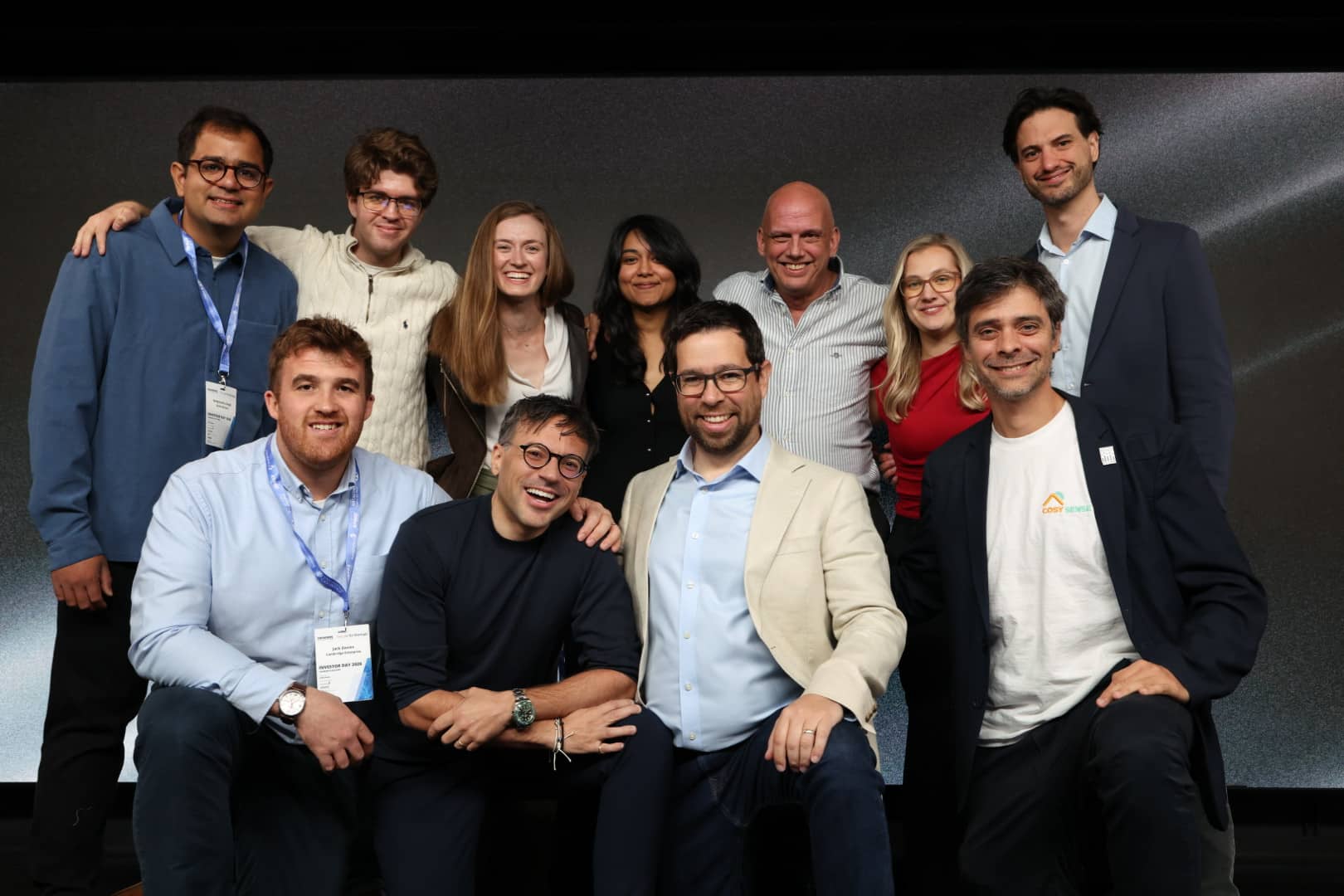
Investor Day at Google's headquarters in London
Founders at the University of CambridgeDuring the programme’s Investor Day in London, seven companies of the START 3.0 cohort, plus two returning companies, presented their ventures to a group of investors, collaborators and peers. The event was hosted at Google’s headquarters in central London.
The emotion was palpable throughout the day, as the companies took to the stage to pitch their ventures to a raptured audience.
“It’s fantastic to be at such a brilliant venue. I never imagined myself to be pitching at Google, for example, and the room was completely packed. It was brilliant to see the atmosphere where there’s a lot of investors, potentially some connections and really looking forward to what it leads to,” Neela Biotech Co-founder and CEO Dr Deepanshu Singh said of the day.
Winny Sanchita, Programme Manager for Founders at the University of Cambridge said:
“The excitement in the room was noticeable from the outset. Investors, ecosystem peers, fellow founders – everyone could see what we see every day: the START 3.0 cohort is building something that matters. Six months in, watching these founders grow and excel, we are reminded of exactly why this accelerator exists – to make sure the world’s most important technologies emerge beyond the lab to make a global societal impact.”
Sarah Ranchev-Hale, Director of Entrepreneurship at Cambridge Enterprise, opened the day, introducing the programme and the ventures, which span deep tech, AI and life sciences. With the scene set, seven START 3.0 companies and two returning then took the stage to present their ventures. The weeks of practice, networking, incorporating candid feedback throughout the programme, were now ending, the tremendous effort clearly showing.
As Dr Edward Cartwright, AdcoTx Co-founder and CEO put it on the day, the programme had been a rewarding experience: “More than preparing for today, it’s given us a huge amount as a company and fast forwarded us by more than 10 months, probably a lot more than that. Being with the rest of the cohort, I’ve learned so much from so many of the other different companies.”
The day also included some stellar speakers, with a fireside chat starring Suzanne Ashman from Sovereign AI and Sai Shivareddy from Nyobolt. They discussed the importance of tech sovereignty and the UK’s role in this debate in the global stage.
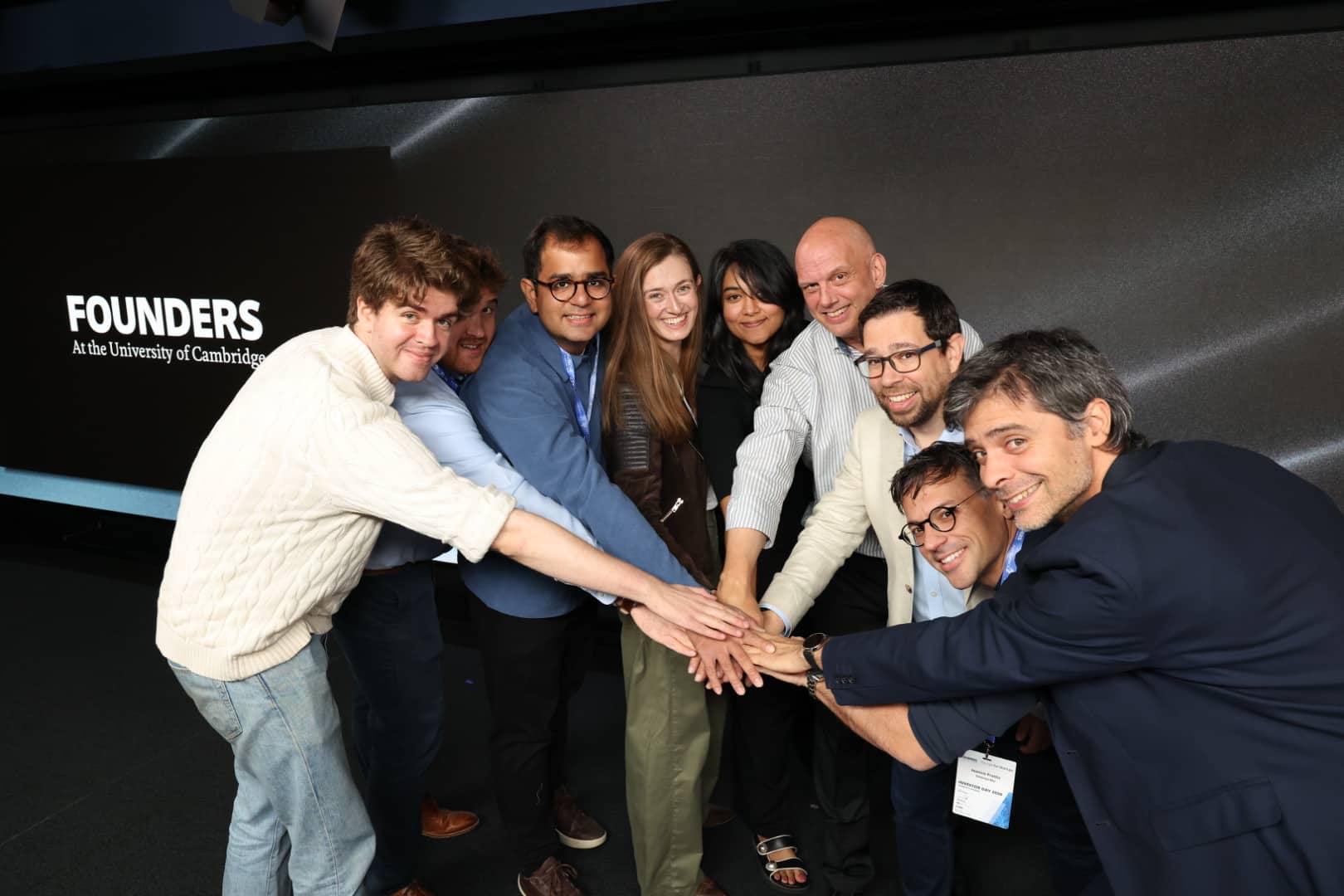
The START 3.0 cohort before the pitching started. Credit: David Johnson
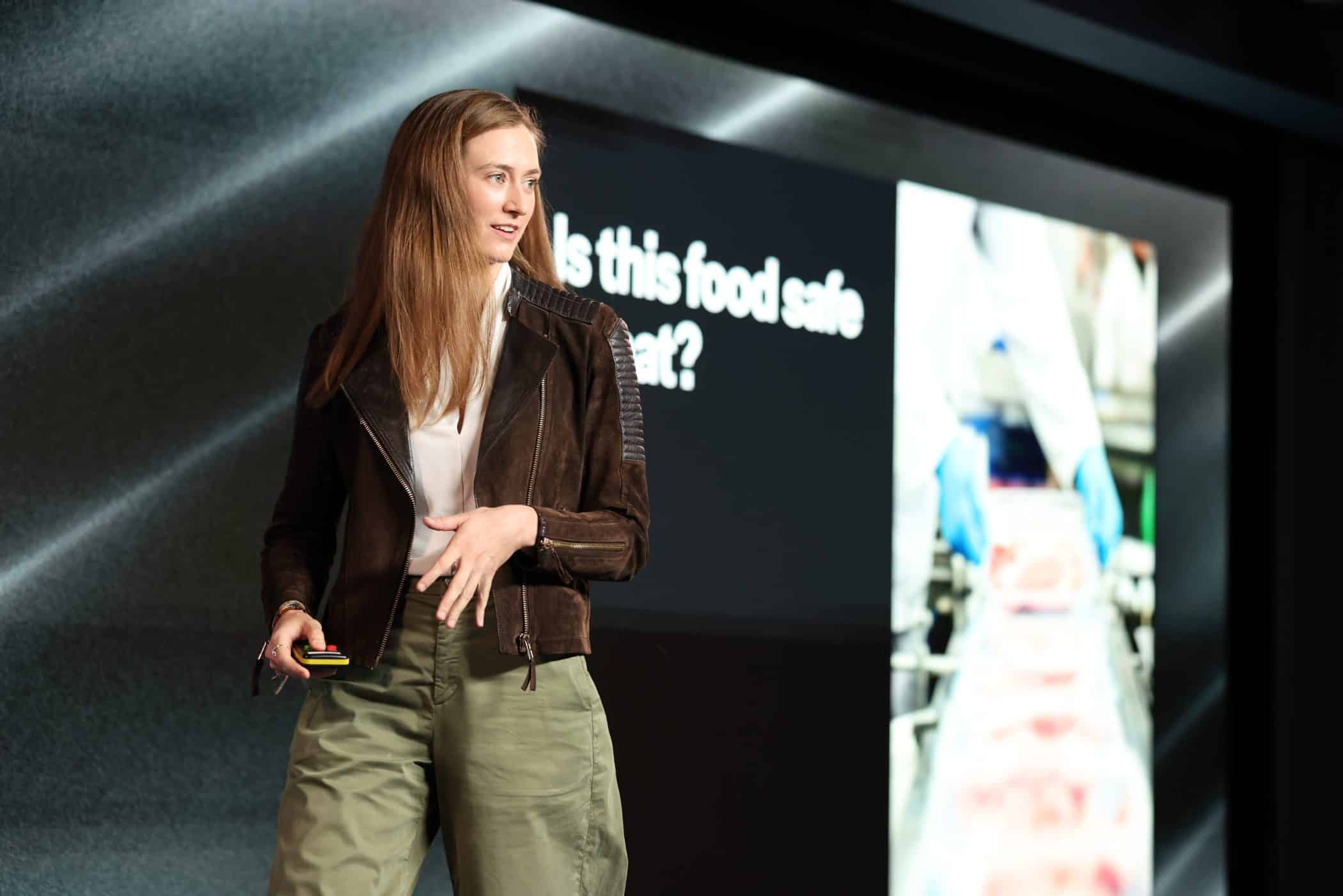
Dr. Anna Winter, Co-founder and CEO, Auralytica. Credit: David Johnson
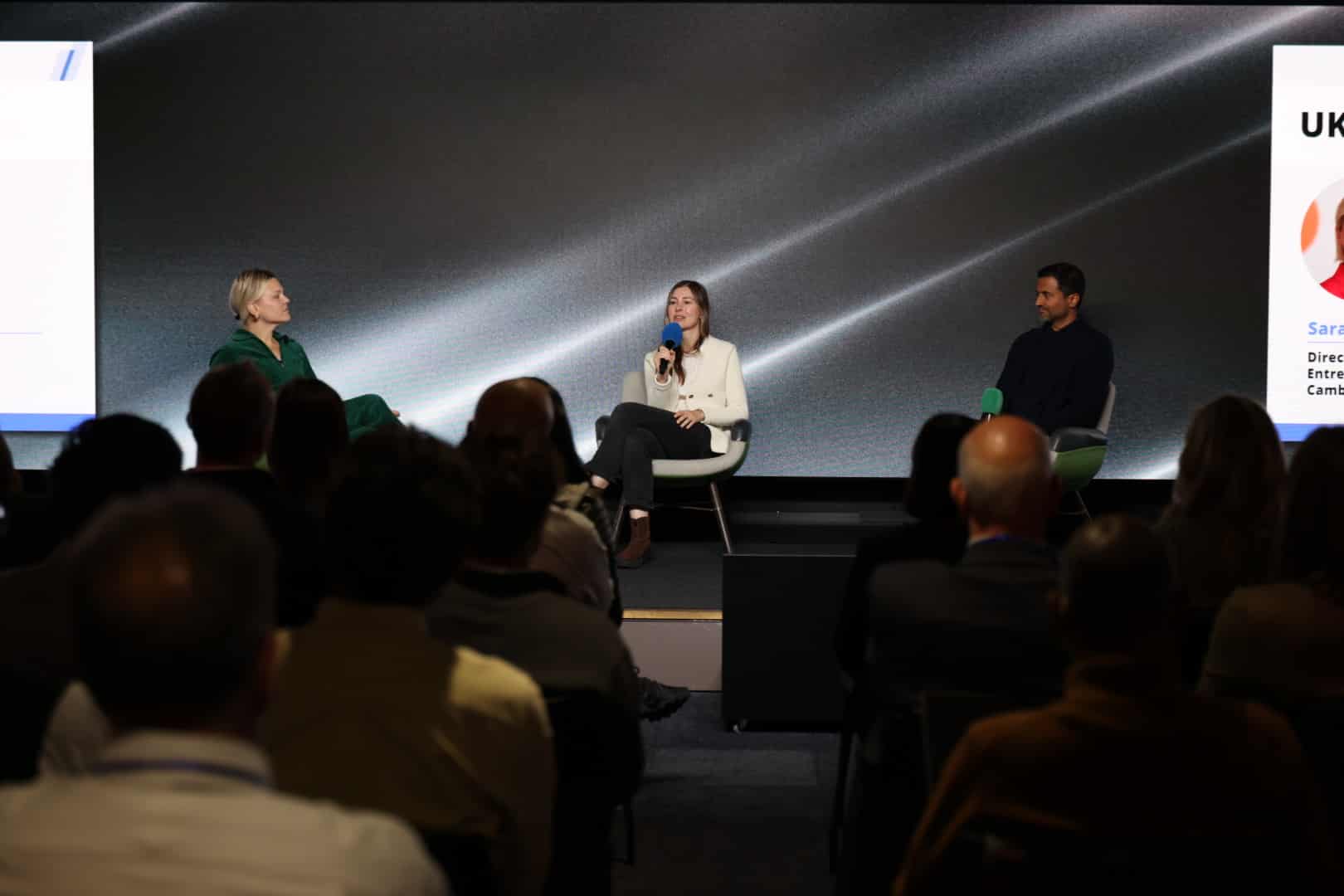
Entrepreneurship Director, Sarah Ranchev-Hale with Suzanne Ashman from Sovereign AI and Sai Shivareddy from Nyobolt. Credit: David Johnson
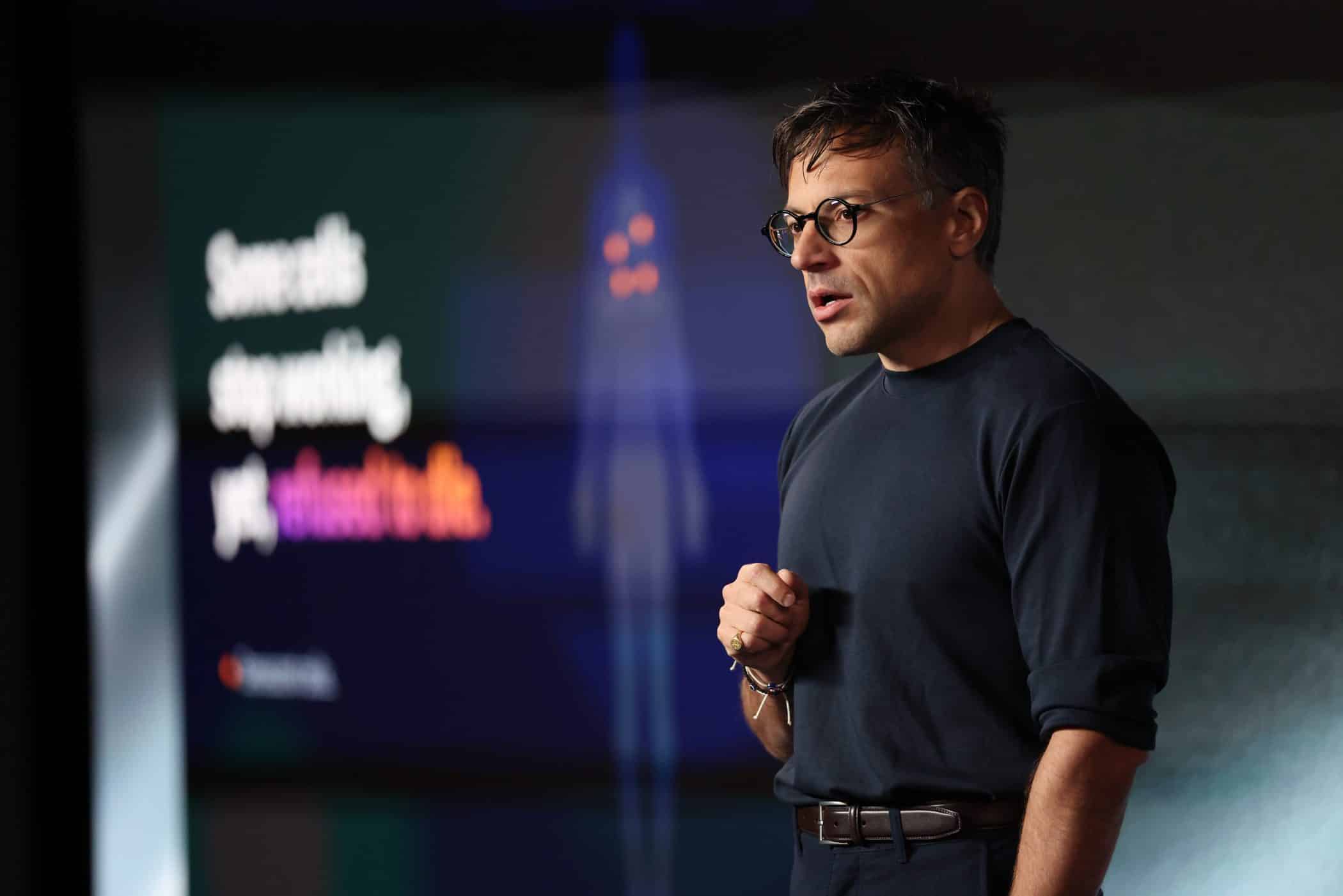
Dr Ioannis Prattis, Co-founder and CEO, Senesys.Bio. Credit: David Johnson
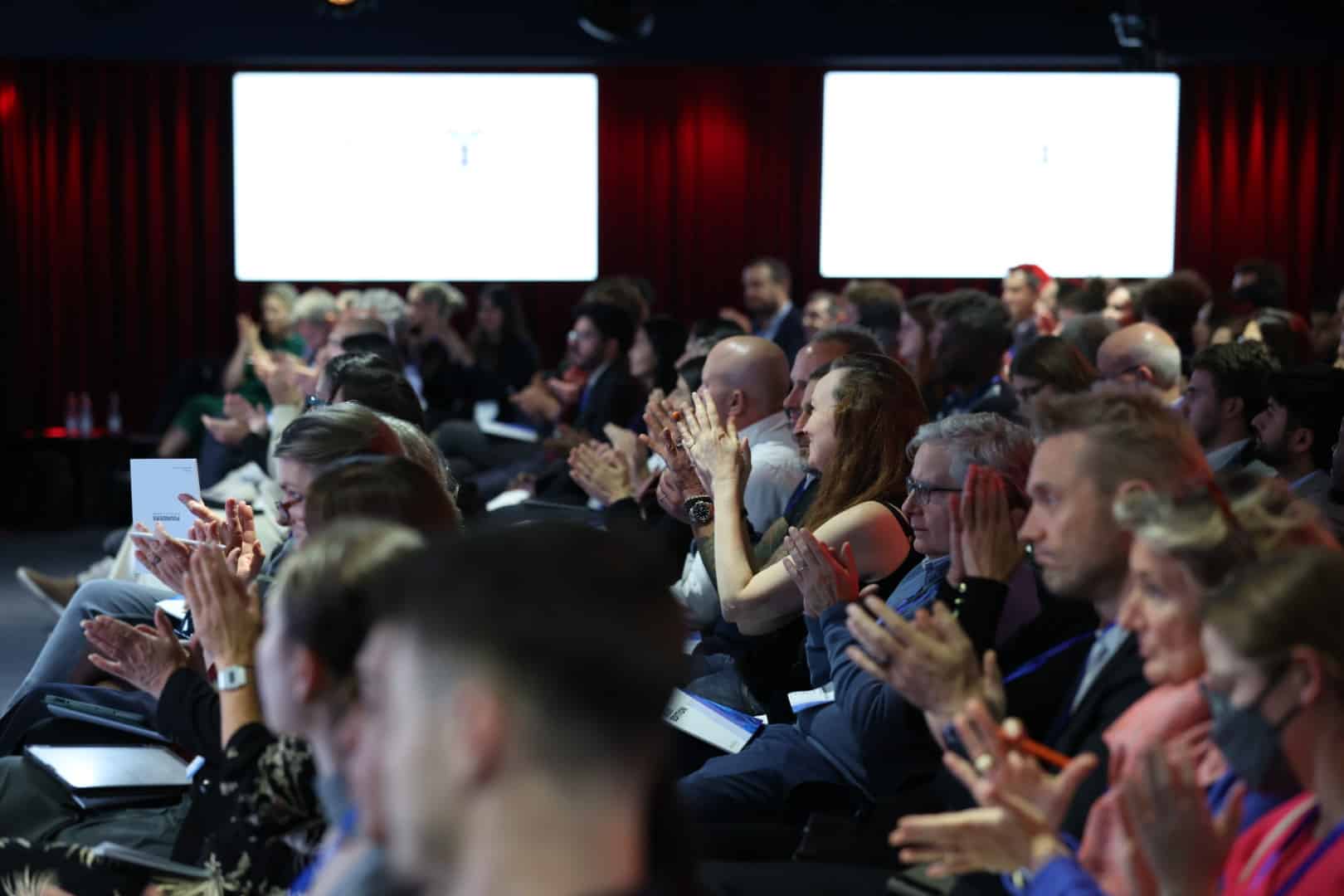
Investor day took place in Google's headquarters in central London. Credit: David Johnson

The START 3.0 programme accelerates potential
Currently in its third edition, START 3.0 is a pre-seed programme accelerating the development of AI and DeepTech startups connected to the University of Cambridge. Its aim is to support ventures with rapid market potential and is open exclusively to companies or technologies with a founder affiliated with the University of Cambridge, including students, postdocs, faculty and alumni (within five years).
According to participants in previous cohorts, START has made them move three times faster than they would alone across strategy, markets and investment. Companies graduating from START have secured more than £24 million ($32 million) in follow-on funding since completing the programme.
The START 3.0 cohort
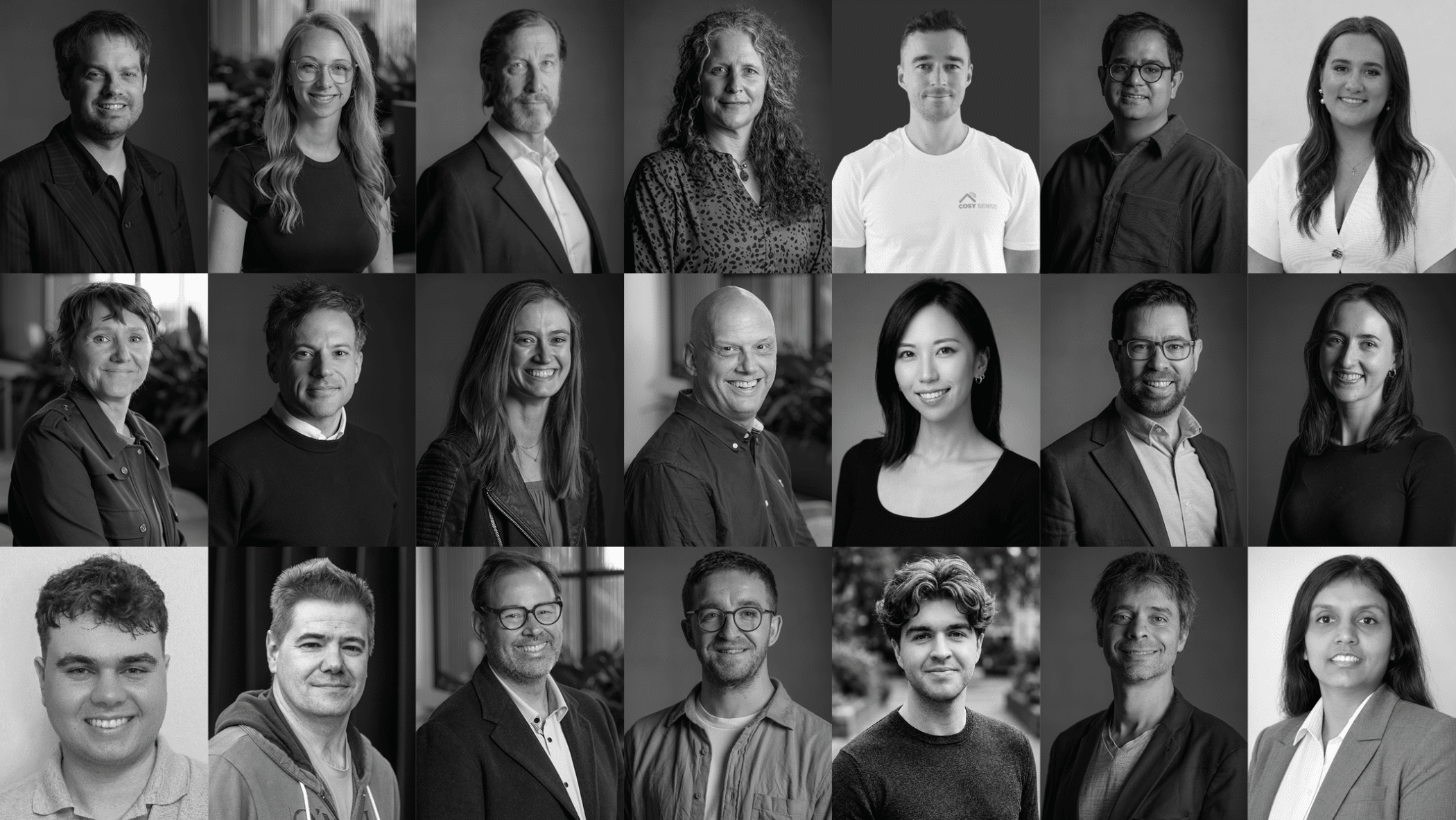
Composed by eight companies, the START 3.0 cohort features a mix of scientific co-founders from the University of Cambridge and operators with vast industrial experience.
AdcoTx is developing a novel therapeutic to improve first‑line treatment options for colorectal cancer patients worldwide. Its scientific co-founders come from one of the leading-edge institutes in the world, the MRC Laboratory of Molecular Biology.
AILA Biotech is advancing a CNS‑targeted gene delivery platform for ultra‑low‑dose therapies in chronic neuroinflammation. Based on research from the Department of Pathology at the University of Cambridge, the team brings together expertise in immunology and gene therapy.
Auralytica is developing holographic hydrogel sensors that deliver real‑time molecular data with a first market in food quality and safety. The company’s CEO holds an MBA from the Cambridge Judge Business School, and the CTO a PhD from Imperial College London.
Cambridge Cryogenics is designing solid‑state milliKelvin refrigeration platforms for quantum computing, sensing and advanced materials research. Founded by Dr Stephen Rowley (CEO), with research originating from the Cavendish Laboratory in the Department of Physics.
Cosysense is using AI agents and digital twins to create autonomous building operations, starting with heating, ventilation and air conditioning (HVAC) systems, reducing energy use and operational risk. The startup draws on research from the Department of Engineering at the University of Cambridge.
Neela Biotech is producing sustainable fuels and chemicals by combining synthetic biology, AI and existing biogas infrastructure. The co-founders are from the Department of Engineering and the Department of Biochemistry at the University of Cambridge.
Satorus Group is building AI agents that automate data analysis and reporting for intelligence investigations. Its co-founder is from the University of Cambridge Department of Politics and International Studies (POLIS).
Senesys.Bio is developing precision nanomedicine platforms to selectively deliver senolytic therapeutics for fibrotic and age-related diseases. Based on research from the Department of Chemical Engineering and Biotechnology at the University of Cambridge.
The two returning companies that also presented during the event were:
Xen Quantum (START 2.0): Building silicon-photonics-based systems to secure data across existing telecom networks.
Xterna (START 1.0): Developing biological navigators to deliver therapeutics to previously hard-to-treat tissues.