Research enabled by a deep industry-academia collaboration
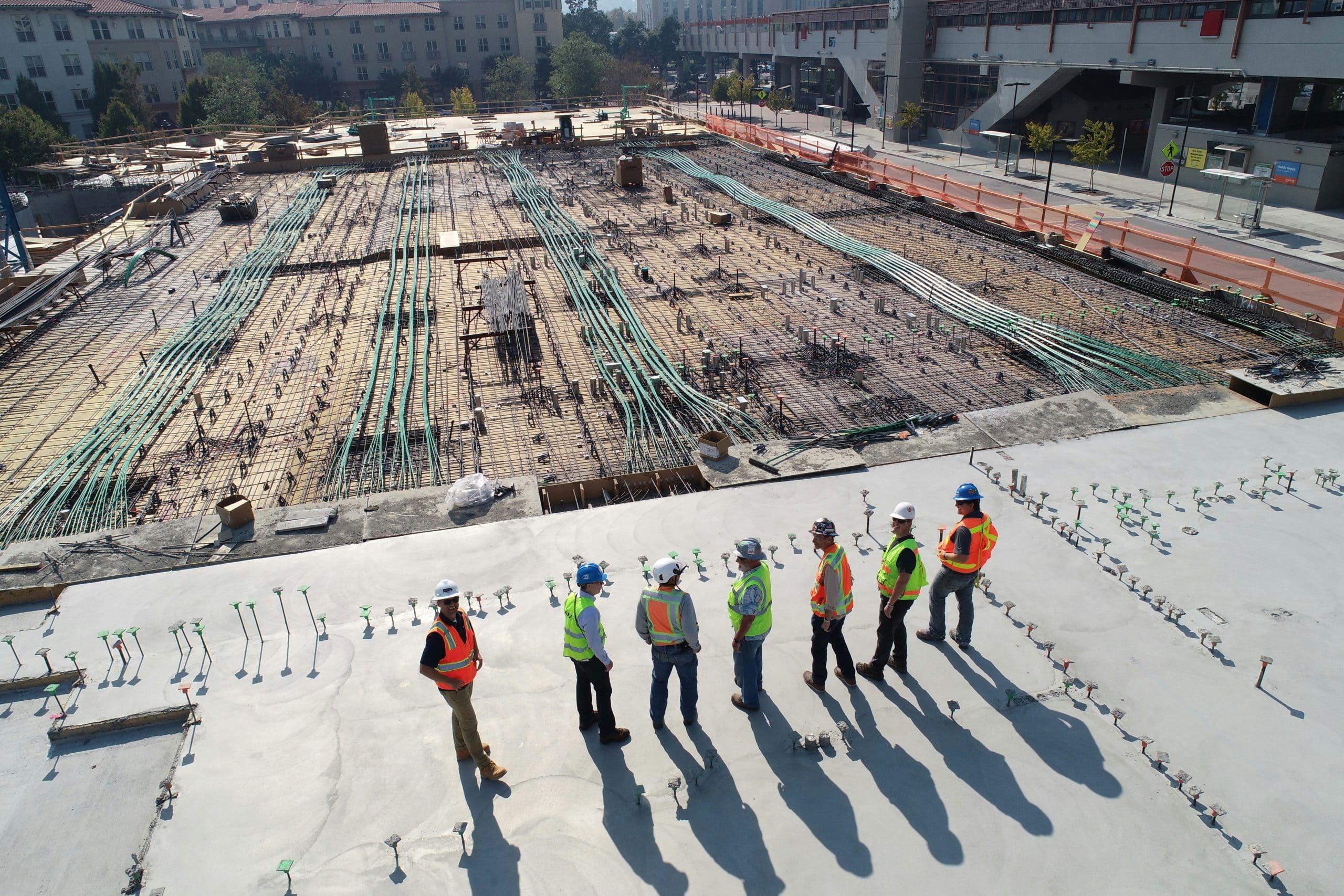
Physical SciencesData visualisation, an unprecedented collaboration between the construction industry and academia, key insight gathering and a methodology founded in world-class research are helping construction companies track and maximise productivity, improving how infrastructure is built in a more efficient, timely and sustainable way.
Dr Danny Murguia and Dr Ashan Senel Asmone from the Cambridge Laing O’Rourke Centre in Cambridge have been working closely with Cambridge Enterprise’s Technology Development & Licensing team to explore how their research work can help solve the complexities of the construction sector at scale.
Durin the past five years, Dr Murguia and Dr Asmone have been working hand in hand with industry members to access raw data that, once analysed, is helping the building sector become more efficient. They have been leading on the work started by the late Professor Campbell Middleton with renowned partners such as Laing O’Rourke, Landsec, Morrisroe, Mace, Sir Robert McAlpine and Skanska. This project has now culminated in the publication of their methodology, the Cambridge Framework for Construction Productivity and a software tool, Camentis, designed to operationalise the Framework on live construction projects.
We spoke to them to learn more.
Why is the methodology important now?
Dr Danny Murguia: “That’s a very good question. We all know performance of big construction projects is often affected in one way or another. The causes are numerous: from complex supply chains and logistics to adverse weather, workforce constraints, and design and constructability issues. All of these can have significant consequences for programme, cost, and productivity, ultimately reducing the value delivered from both public and private investment.
“At the same time, construction delivery teams now have access to unprecedented amounts of data through multiple digital systems and technologies. The problem is that this information is often fragmented and there has been no consistent way to bring these data together and turn them into meaningful productivity insight.
“That is where our methodology is important. It helps project teams measure the right things consistently while work is being delivered, so they can identify deviations early, understand the causes of underperformance, and take corrective action on site.”
“Most importantly, what we have developed is not only a methodology. We have translated the framework into a software solution, Camentis, designed to make this approach practical and scalable on live construction projects.”
This work is routed in research
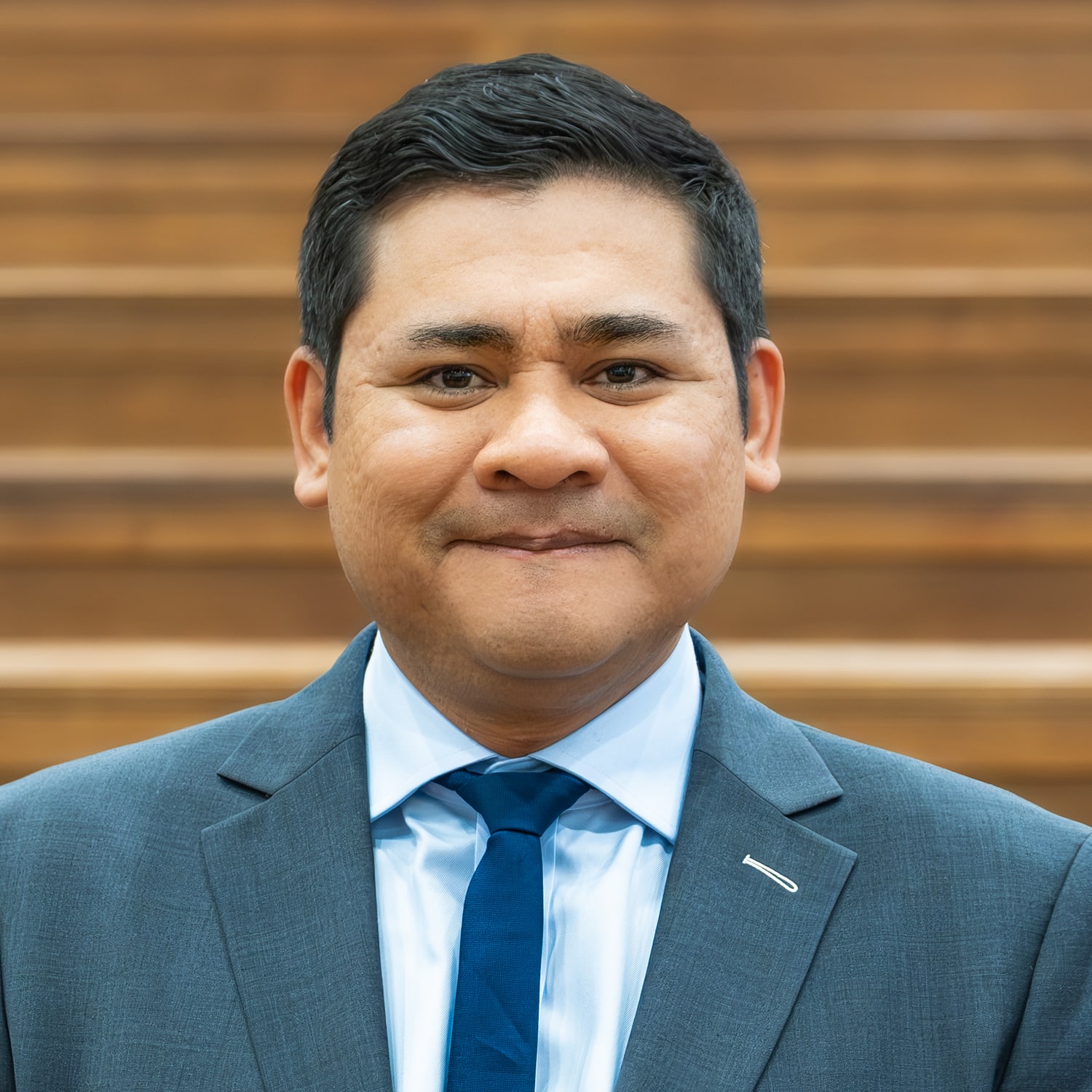
Dr Danny Murguia: “It is. We’ve been working for over five years with industry partners, delving into how to make their processes more streamlined, learn from the data available. This has been made possible by a unique industry-academia collaboration, the Construction Productivity Taskforce, which allowed us to build the relationships and the trust needed to obtain the amount of data to tackle such a monumental task. This data has given us novel insights, which I’d say are eye-opening – the sort of insights that would normally go unnoticed. This is mainly due to our methodology, which proposes a set of a standard metrics at the granularity that provides us with new understanding and to properly build a unique database for productivity.”
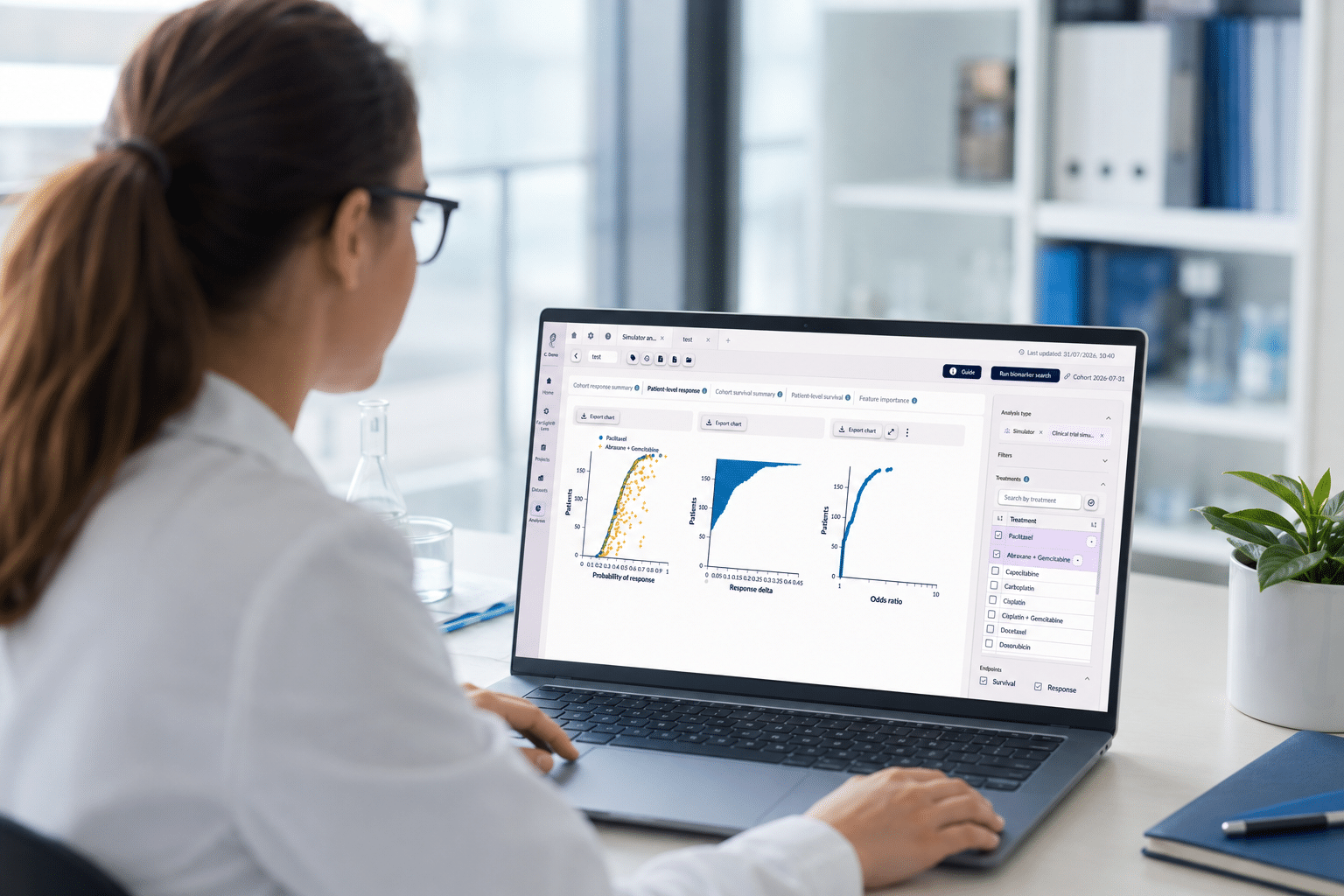
Dr Ashan Senel Asmone: “Visualisation is another key aspect of what we do, too, which is striking —it allows our partners in the construction sector to really see the data in a unique way that can give them the information for them to act upon.”
One of the key motivations for me, is to see how this all leads to a change and the excitement of the partners we work with. It’s brilliant to do our research and have academic publications on the subject, but we need to move past paper into something tangible for the industry to use.”
Dr Danny Murguia: “Back to the initial question on why our methodology is important now. It’s the level of maturity of our research — it has reliable, robust data. It has been developed working with industry, understanding the real issues. All of this has allowed us to translate it in a more sustainable way, to be able to scale it and have a wider impact. We are also at a stage now, where we’re ready to start on new pilots.”
You have ample prior experience in the construction sector
Dr Danny Murguia: “We do. We are unusual researchers; we didn’t go through the academic path completely. I, for example, have a degree in civil engineering and I know the ins and outs of the trade, I was in industry for over ten years. So, when I come to site, I come with a prior understanding of the issues. But I also now come with a researcher mind, looking for the pieces of the puzzle that will give me the solution.”
Dr Ashan Senel Asmone: “In my case, my first degree was in facilities management, part engineering, part management. I spent a lot of time in industry; one of my very first jobs was to implement management systems in a manufacturing company. I’m very much geared to thinking about continuous improvement, both in industry and research — How do I implement change that will result in an improvement? That will make it faster, more reliable, cheaper? I’m also keen to see how to modernise the construction sector. Knowledge transfer plays a huge role in other industries, why not in here?”
“We went through the Ideas incubator that the Technology Translation and Development team run, which is excellent. We’d already been through i-Teams, and through the Maxwell’s Impulse programme, and we are currently part of this year’s Postdoc Venture Creation Challenge cohort, organised by IE Cambridge.”
You are now working with Cambridge Enterprise to commercialise the software.
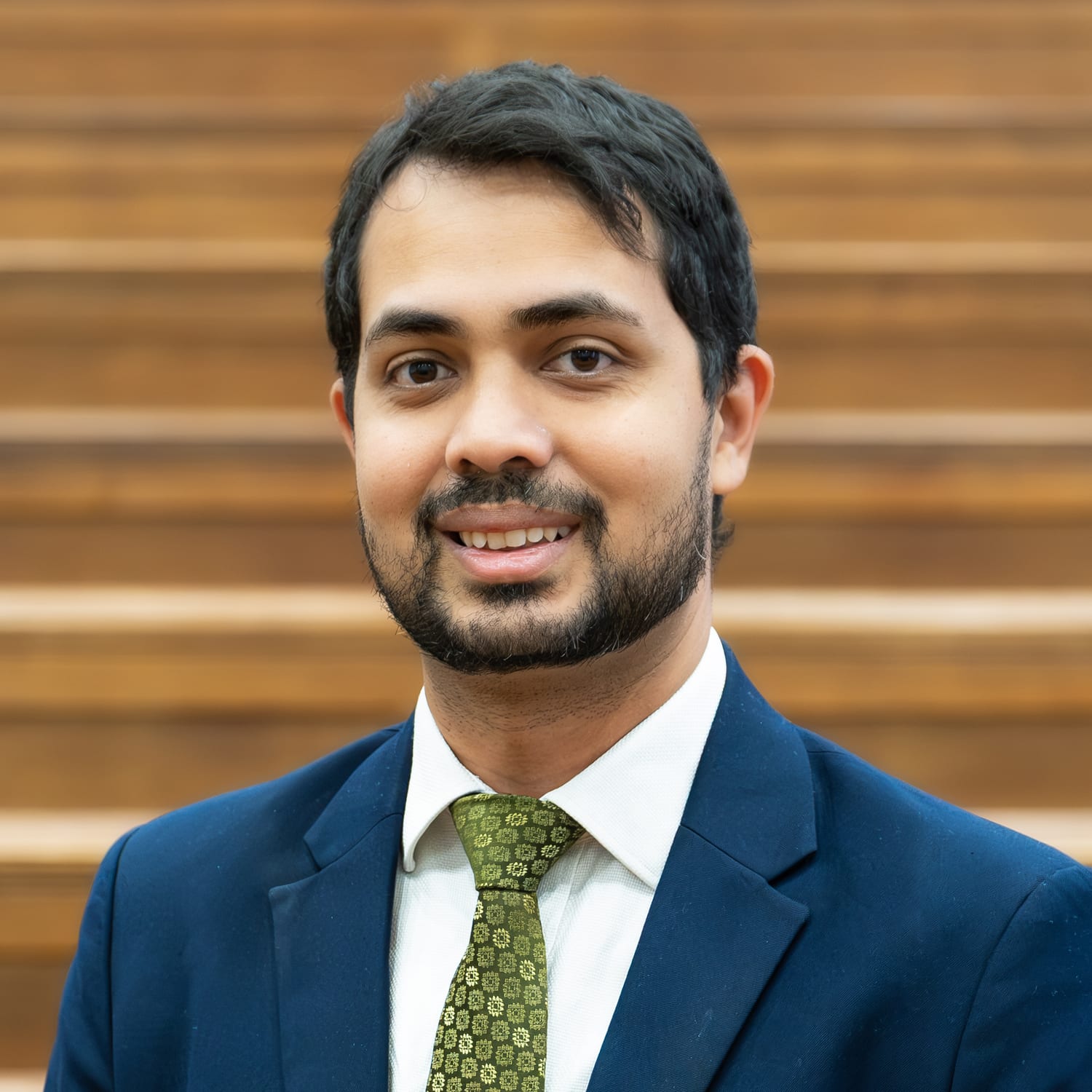
Dr Ashan Senel Asmone: “We are. We initially contacted Cambridge Enterprise in 2024 to see how to start scaling all this knowledge we had accumulated and that is presented in our publication, and in a practical way, in our software.”
We went through the Ideas incubator that the Technology Translation and Development team run, which is excellent. We’d already been through i-Teams, and through the Maxwell’s Impulse programme, and we are currently part of this year’s Postdoc Venture Creation Challenge cohort, organised by IE Cambridge.”
Dr Danny Murguia: “The team at Cambridge Enterprise have given us some excellent advice, and we enjoy working together with them as we continue to look for ways to better scale what we’re doing, positioning our solution out there and continuing to engage with industry.”
Looking into the future – what is the change you hope your work can make?
Dr Danny Murguia: “Imagine being able to deliver the National Hospital programme on time and on budget, for example. The public money saved, the fact that these facilities can start treating patients earlier rather than later. These are the projects that motivate us and the ones we’d really like to work with.”
Dr Ashan Senel Asmone: “I think we aspire to improve the whole sector with better planning, more safety and improved working conditions for workers. In the future, we’d like to implement better tracking and management of waste and carbon emissions. We are still very much on a journey — an ambitious one, for sure!”
If you are interested in piloting the software, get in touch with the team via the Camentis website.
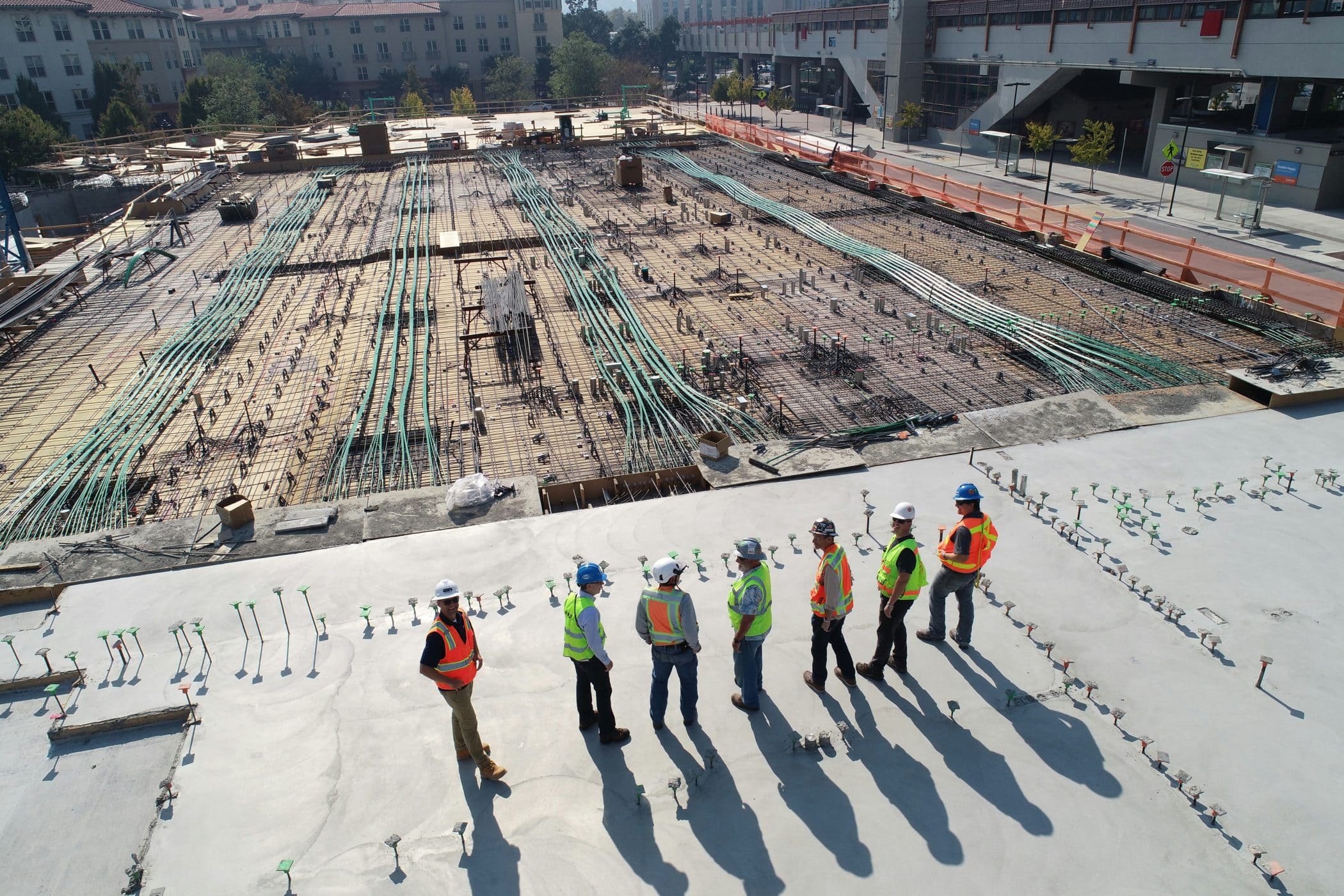
Header photo credit: Photo by Scott Blake on Unsplash