Bridging the gap between early-stage research and commercialisation
The Technology Investment Fund (TIF) accelerates commercialisation by funding critical final experiments that de-risk technologies, enabling academics to secure higher-value licensing deals and launch spinouts that are ready to raise investment.
TIF is an initiative by the University of Cambridge, providing £10m over a five year period for crucial proof-of-concept funding to accelerate technology development, de-risk, and improve commercialisation opportunities. Our goal is to bring technologies developed from academic research in the University to reach the market, either through licensing to third parties or securing commercial investment into spinouts. It complements other funding sources within and outside the University.
TIF is already driving innovation, with over £4m of investments awarded to over 40 projects: from a software MVP development to in-vivo testing programmes for novel therapeutics, medical device prototype development and development of new materials. Over five years, TIF will back more than 100 University technologies, delivering greater impact and economic return.
"TIF was pivotal for our commercialisation work: allowing us to bridge between academic work, derisking the technology and seizing the commercial opportunity.
The TIF team have been great to work with, providing valuable feedback and agile support so our spinout Clarity Sensors is now in an exciting position!"

What the fund offers
Alongside a commitment to invest £10 million over five years to bridge the gap between early-stage research and commercialisation, we aim to de-risk and add value to technologies to increase the probability and value of future licensing.
This will not be achieved with financial investment alone. The dedicated TIF team also offer the following to help accelerate projects:
- Expert project planning and management
- Connections to trusted external consultants
- Full contract administration
- Support with market research and business development
The recipients of TIF funding work with the wider Cambridge Enterprise team who provide advice on commercialisation strategy, intellectual property (IP) protection, access to entrepreneurs in residence and a network of mentors.
What types of projects can be funded?
- Market research and strategy
- Regulatory advice
- Prototype development
- In vitro and in vivo PoC studies for therapeutics development (e.g. Contract Research Organisations)
- Software development to create Minimum Viable Product (MVP)
- Consultancy support
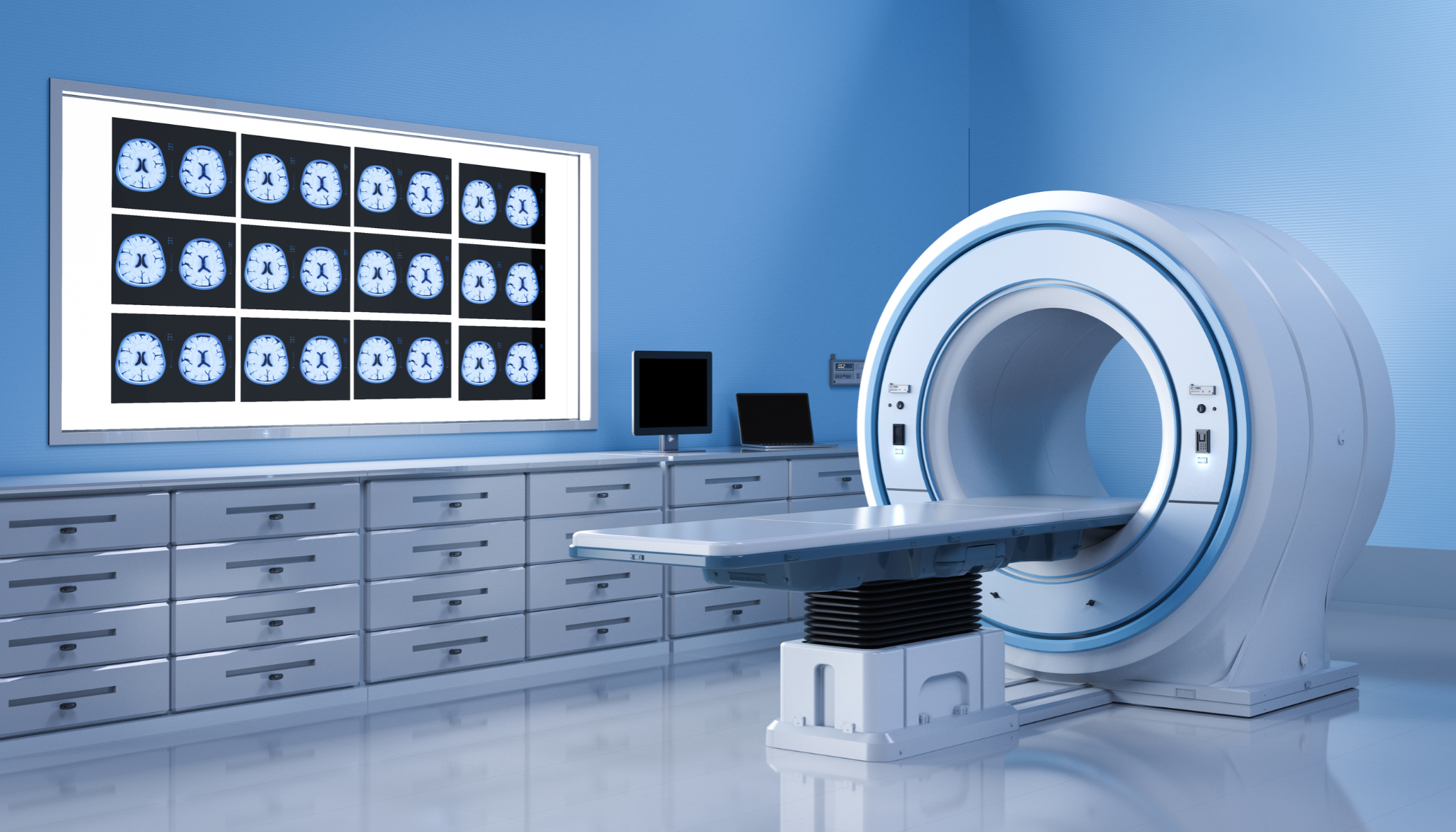

Some of the projects supported so far

Actsure
Actsure is developing a compliance platform to help universities meet the requirements of the Higher Education (Freedom of Speech) Act 2023. The software supports reporting, complaints and compliance processes, reducing regulatory risk while promoting free expression.
Result: TIF funding supported the development of an MVP, turning policy research and regulatory expertise into a practical SaaS solution. The project enabled user testing and validation, helping position Actsure for commercial launch and spinout creation.
Point of Contact: Dominic Chivers Academic founder: Duaa Jamal Karim
Cellestial Health
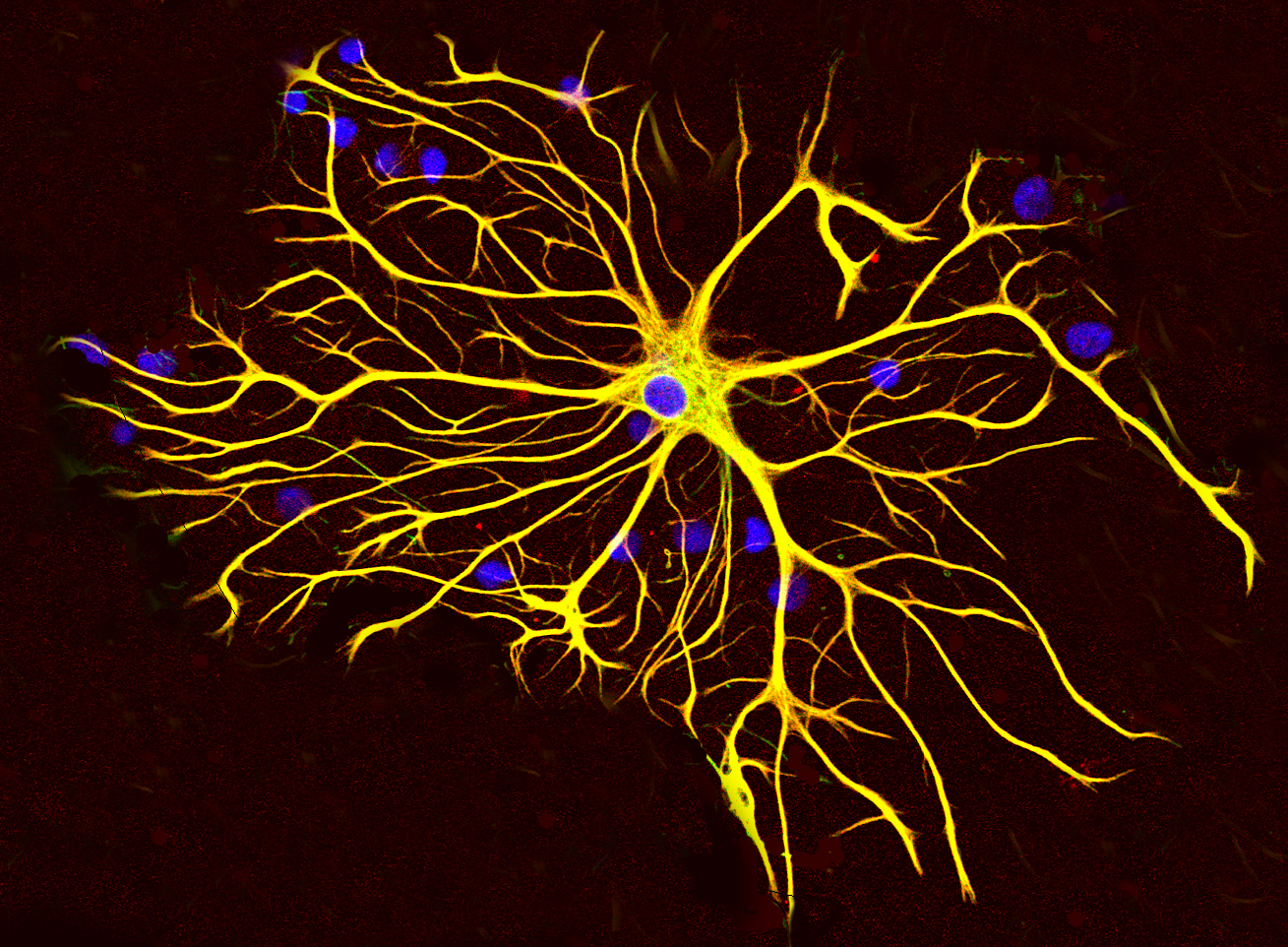
Cellestial Health pioneers astrocyte-targeting therapeutics to halt neurodegeneration, using brain-penetrant small molecules to stabilise astrocytic networks and transform treatment of conditions like Parkinson’s disease.
Result: TIF supported Cellestial Health with funding towards an in vivo animal study to establish proof-of-concept and accelerate further pre-clinical development. Cellestial Health has since secured additional pre-seed investment to progress therapeutic development.
Point of Contact: Amanda Wooding Academic founder: Nataly Hastings
Clarity Sensors
Clarity Sensors is developing scalable, perovskite-based photon‑counting X‑ray detectors that enable sharper, higher‑resolution CT scans at significantly reduced radiation doses; making low‑dose, preventative disease screening feasible on a large scale.
Result: TIF allowed to establish a testing suite to validate novel perovskite-based detectors against commercial alternatives under clinical X-ray energies, enabling rapid, in-house iteration to enhance reproducibility and scalability of the fabrication process. Clarity Sensors also received €2.5 EIC Transition grant in May 2025.
Point of Contact: Jennie Flint Academic founders: Dr Hayden Salway, Professor Sam Stranks, Stuart Evans
Gastrobody Therapeutics
Gastrobody Therapeutics develops orally delivered biologics for GI diseases, using ultra-stable antibody mimetics that remain active in the harsh environment of the gut to transform treatment of conditions like Crohn’s and ulcerative colitis.
Result: TIF funded preclinical development of the gastrobodies, including in vivo studies. The team also received the UKRI PoC award (£250k) to continue developing the platform.
Point of Contact: Amanda Wooding Academic founders: Yasunori Watanabe, Ana Rossi
Human Experience Dynamics
Human Experience Dynamics is developing a platform for capturing the subjective experiences of participants involved in clinical trials and other healthcare user-research settings. The underlying technology, Temporal Experience Tracing (TET), offers a way to capture participants' experiences such as pain, fatigue and emotional well-being across time.
Result: TIF investment has supported the development of the software platform and data analytics, which enabled method validation and engagement with potential commercial partners.
Point of Contact: Dr Emma Salgård Cunha Academic founders: Dr Barbara Jachs, Dr Tristan Bekinschtein
KairoSim
KairoSim delivers immersive crisis simulations that help leadership teams test their response to high-pressure scenarios and identify strategic strengths and blind spots before a real crisis occurs.
Result: TIF funding supported development of the methodology toolkit and validation with corporate customers. The project enabled pilot simulations, secured paying clients and helped establish a scalable spinout focused on executive training and crisis preparedness.
Point of Contact: Dominic Chivers Academic founders: Professor Brendan Simms, Adam Wurr, Isabelle McRae
Neonatal Wireless Transmission System (NeWTS)
The Neonatal Wireless Transmission System (NeWTS) is a bespoke wireless system tailored for neonatal care. It replaces traditional wired monitoring with a Bluetooth system for monitoring skin temperature, heart activity (ECG), breathing rate and blood oxygen (pulse oximetry). The system is designed for the unique needs of preterm babies, including high humidity environments and fragile skin.
Result: TIF funded activities necessary towards commercial development, including support for prototype design, biocompatibility and battery testing and compliance certification.
Point of Contact: Rachel Atfield Academic founders: Dr Kathryn Beardsall, Dr Oliver Bonner
Snicket
Snicket platform adopts the lessons learnt from ecommerce in successful storytelling, functionality and discoverability and applies them to digital exhibitions. The platform enables museums and galleries to translate the brilliant user centred experiences they create in the gallery, to the virtual world.
Result: TIF investment allowed to further develop MVP highlighting the unique features of the Snicket approach to digital exhibitions. This development enabled testing of the platform with early customers.
Point of Contact: Dominic Chivers Academic founders: Dr Christopher Burgess, Matt Maude
SpiraMed
SpiraMed is a novel, single-pass delivery device designed to transform the surgical delivery of cell therapies, reducing risk, time and cost while improving patient outcomes.
Result: TIF enabled the development of Gen 1 and Gen 2 prototypes, successful validation of the device’s performance in laboratory models and in vivo safety in a large animal trial.
Point of Contact: Rachel Atfield Academic founders: Dr Harry Bulstrode, Adam Young
Sustainable cellulose packaging
A Cambridge team has devised an innovative electrophoretic deposition (EPD) process that transforms plant waste into high-performance, compostable cellulose films offering strong moisture and oxygen barriers, competitive cost and scalability, and a viable alternative to plastic packaging.
Result: TIF investment allowed to optimise the process and get sufficient data to enter a scale up phase of technology development. Successful TIF project was followed by the UKRI PoC award (£250k).
Point of Contact: Oleksandra Korychenska Academic founders: Professor James Elliott, Professor Ruth Cameron, Professor Serena Best
Trismik
Trismik has developed an adversarial testing platform for LLMs that improves accuracy, safety and alignment. It helps AI teams build trustworthy applications, reduce risk and deploy faster, without compromising on performance or values.
Result: TIF funded an initial software platform for testing large scale language models using methodology developed by Prof Nigel Collier. This allowed for the software to be tested by commercial collaborators for the first time.
Point of Contact: Christine Martin Academic founders: Rebekka Mikkola, Nigel CollierLearn more about TIF
If you would like to learn more about TIF and our other translational funding opportunities, please contact your case manager who will be more than happy to discuss this further, or express your interest using the form.
Frequently asked questions