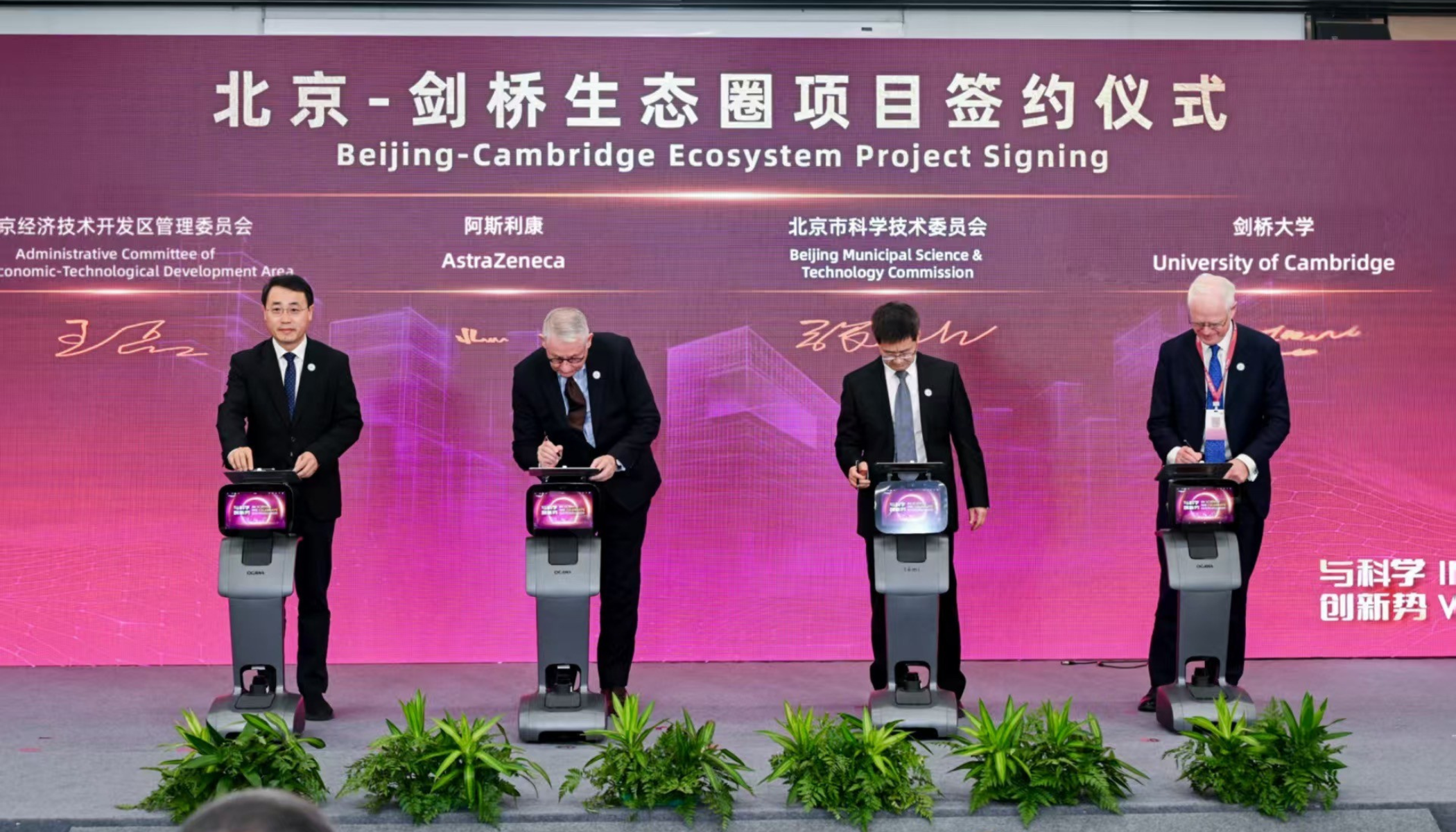
Cambridge–Beijing partnership to accelerate life sciences innovation
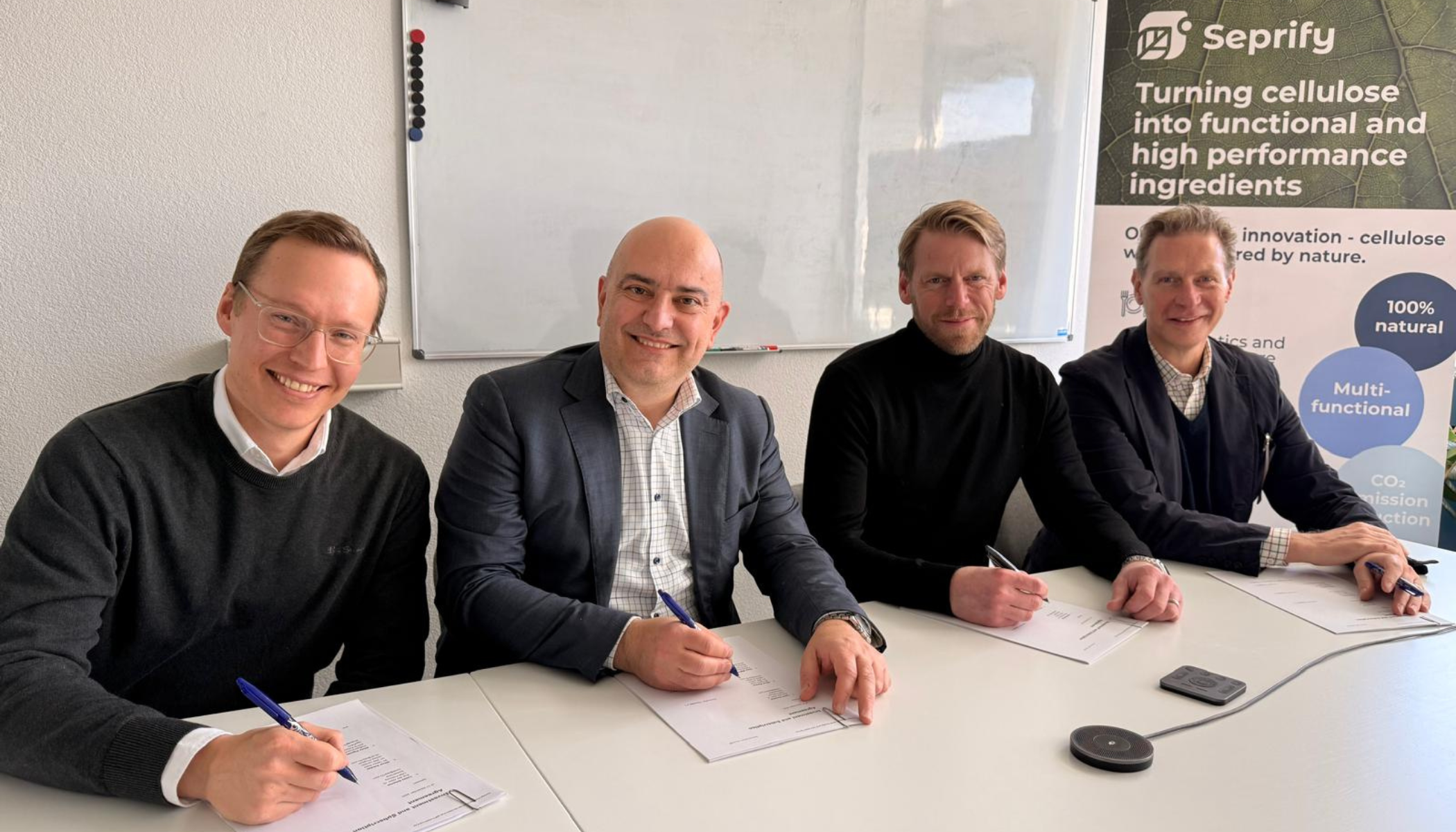
Cambridge EnterpriseThe University of Cambridge, AstraZeneca and Beijing municipal parties (the Beijing Science and Technology Commission and the Beijing Economic and Technological Development Area), have signed an agreement that will enhance collaboration between the University, AstraZeneca and Cambridge and Beijing’s life sciences ecosystems.
The partnership will build on a decade of impactful collaboration between the University and AstraZeneca and on AstraZeneca’s 30-year heritage in China.
New avenues for exchange and collaboration
The partners will share their expertise and best practice in building successful ecosystems through education and training, bilateral delegations and forums and talent exchanges, engaging a range of institutions across both ecosystems including hospitals, universities, research institutes, start-ups and scale-ups.
The University’s innovation arm, Cambridge Enterprise, will deliver training programmes on research commercialisation and spinout creation and will lead on organising reciprocal study visits. Clinicians from the hospitals and medical schools around Beijing’s BioPark will be trained in medical leadership through the Cambridge University Medical Education Group (CUMEG), part of the School of Clinical Medicine.
Patrick Maxwell, Regius Professor of Physic and Head of the School of Clinical Medicine at the University of Cambridge said:
“We recognise that China – and Beijing in particular – is an emerging centre of innovation in the life sciences. This new partnership creates exciting opportunities for the University and the wider Cambridge Cluster to further develop their capabilities by connecting with Beijing’s rapidly growing pharma and medtech sector.”
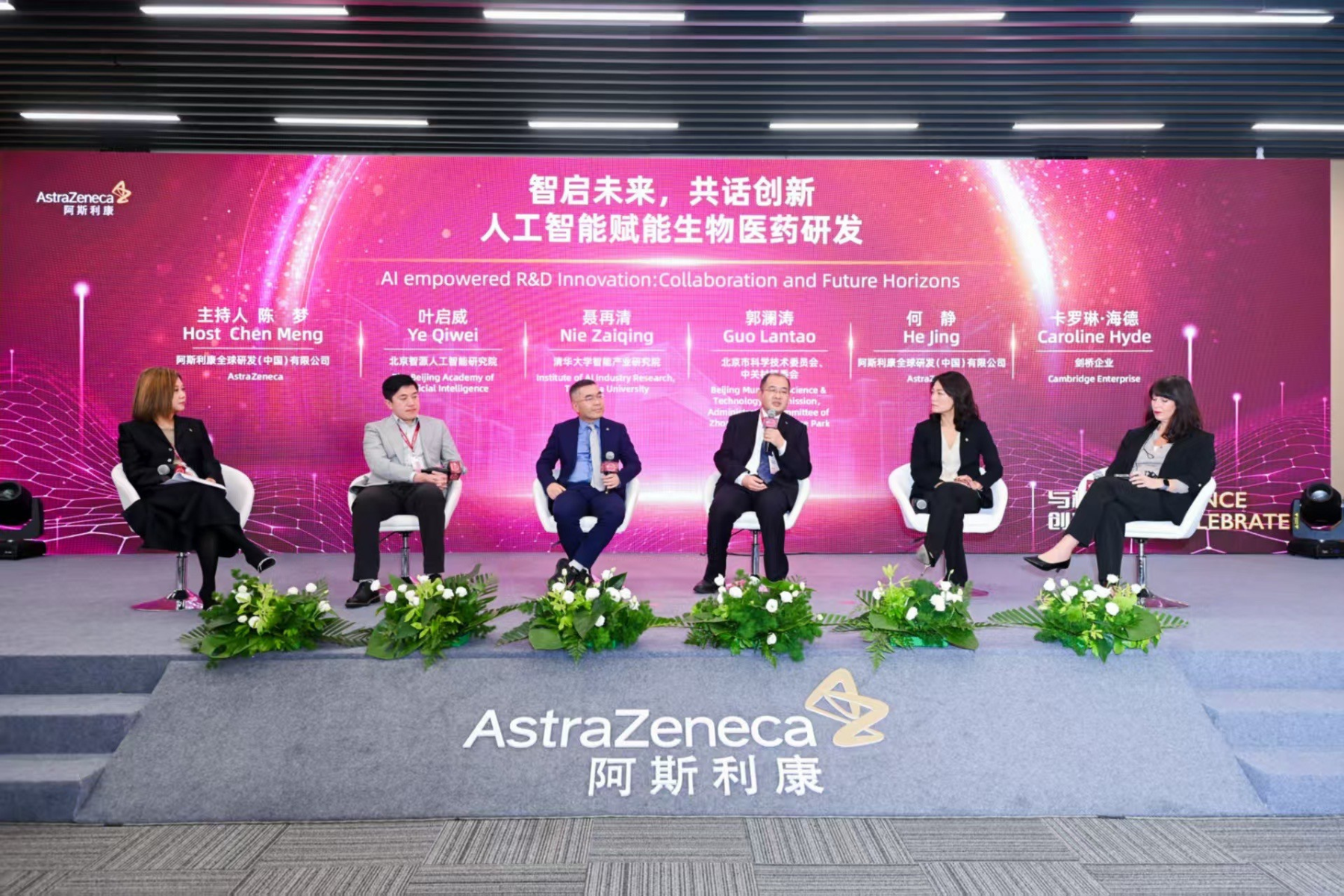
Connecting leading innovation hubs
Cambridge’s life sciences ecosystem is the largest in Europe, anchored by two universities, pioneering research institutes, hospitals, and biotech companies. Its interconnected sectors facilitate rapid collaboration, transform scientific advances into healthcare innovation, and deliver significant economic and societal impact.
Beijing stands at the forefront of China’s expanding biopharma and medtech sector, supported by significant government investment, modern infrastructure, and a growing pool of clinical, scientific, and entrepreneurial talent.
AstraZeneca’s new R&D centre is located in the Beijing International Pharmaceutical Innovation Park (BioPark), which follows a similar model of co-location and collaboration as the Cambridge Biomedical Campus – home to AstraZeneca’s strategic R&D facility, The Discovery Centre.
Shaun Grady, Chair of AstraZeneca UK:
“Collaboration sits at the heart of AstraZeneca’s mission to help transform healthcare and deliver potentially life-changing medicines. With the opening of our new R&D centre in Beijing and The Discovery Centre established in Cambridge, we are proud to help deepen connections between these two leading innovation hubs. This partnership is a fantastic opportunity to share expertise, advance innovation in both regions, and amplify our collective impact – accelerating scientific progress and advancing global public health.”
“This partnership with AstraZeneca exemplifies our commitment to building bridges between academia and industry, empowering innovators, and driving global progress in healthcare.”

Dr Jim Glasheen continued:
“By connecting Cambridge’s unique ecosystem with leading partners in Beijing, we are strengthening pathways from lab to clinic, championing improved connectivity and innovation opportunities for the benefit of all.”
A shared commitment to progress for patients and society
Fostering deeper connection between the University, AstraZeneca and the two innovation ecosystems will empower both regions to learn from and build on each other’s expertise. United by a shared vision, the partnership will accelerate access to innovation best practices and global networks – with the aim of advancing life sciences in both regions to support a healthier future for people, planet and society globally.
The British Ambassador to the People’s Republic of China, Peter Wilson, said:
“This is an excellent example of a leading UK university working in partnership with a leading biopharma company to engage with Beijing’s dynamic innovation ecosystem. This kind of collaboration with China is an important way to accelerate innovation, bolster the UK’s leading life sciences cluster, support growth and help develop new treatments for patients globally.”
Earlier this year, the University of Cambridge and AstraZeneca marked a decade of collaboration and impact, highlighting achievements in breakthrough science, talent development, and innovation in Cambridge, the UK and beyond.