Bringing clean water and engineering skills to East African communities
Social VenturesAccess to clean water remains a critical challenge in many urban and peri-urban communities in East Africa, where unsafe supplies and high costs put health and livelihoods at risk.
Majicom tackles this challenge with solar-powered water kiosks that store, purify and dispense clean water using light-driven chemical processes.
The origins of Majicom trace back to Dr Mike Coto’s PhD research at the University of Cambridge, where he explored solar water treatment technology. Motivated to address real-world challenges, Mike secured early funding to travel to Tanzania and investigate the country’s severe water issues. Nearly half of all diseases there are water-related. In Dar es Salaam, he worked with researchers, NGOs and local communities, discovering that many urban and peri-urban residents spend up to 30% of their income on bottled water or are forced to use unsafe sources due to the lack of clean tap water.
After returning to Cambridge, Mike joined forces with fellow scientists from the Department of Materials Science & Metallurgy to found Majicom. Drawing on these experiences, the team developed the concept of a solar-powered water kiosk. This automated system was designed to store, purify and dispense clean water for local communities, addressing both the health and economic burdens of water scarcity.
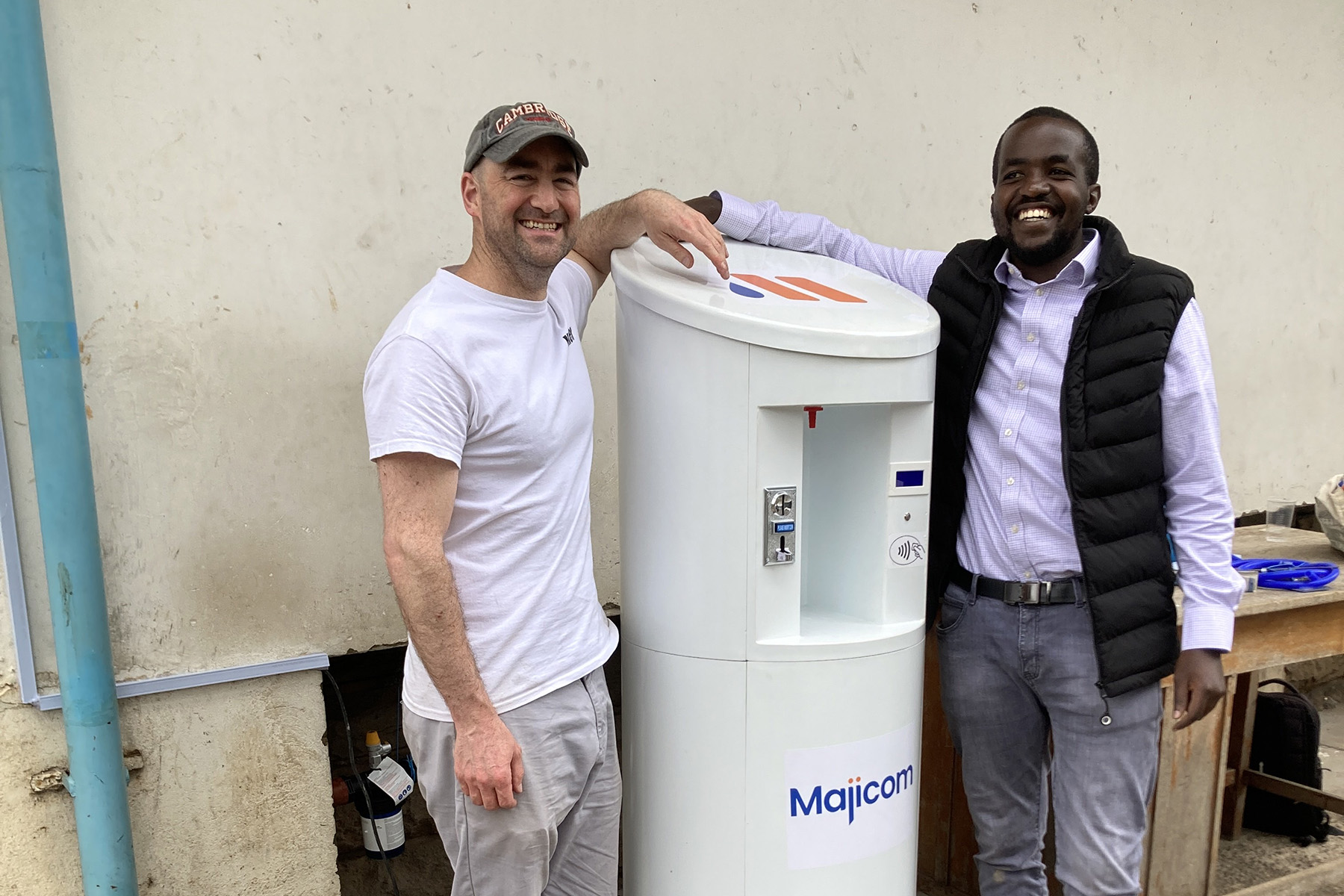
Jonathan Woolf, Majicom’s Production Lead, with George Kibuku from the University of Nairobi by one of Majicom’s water kiosks
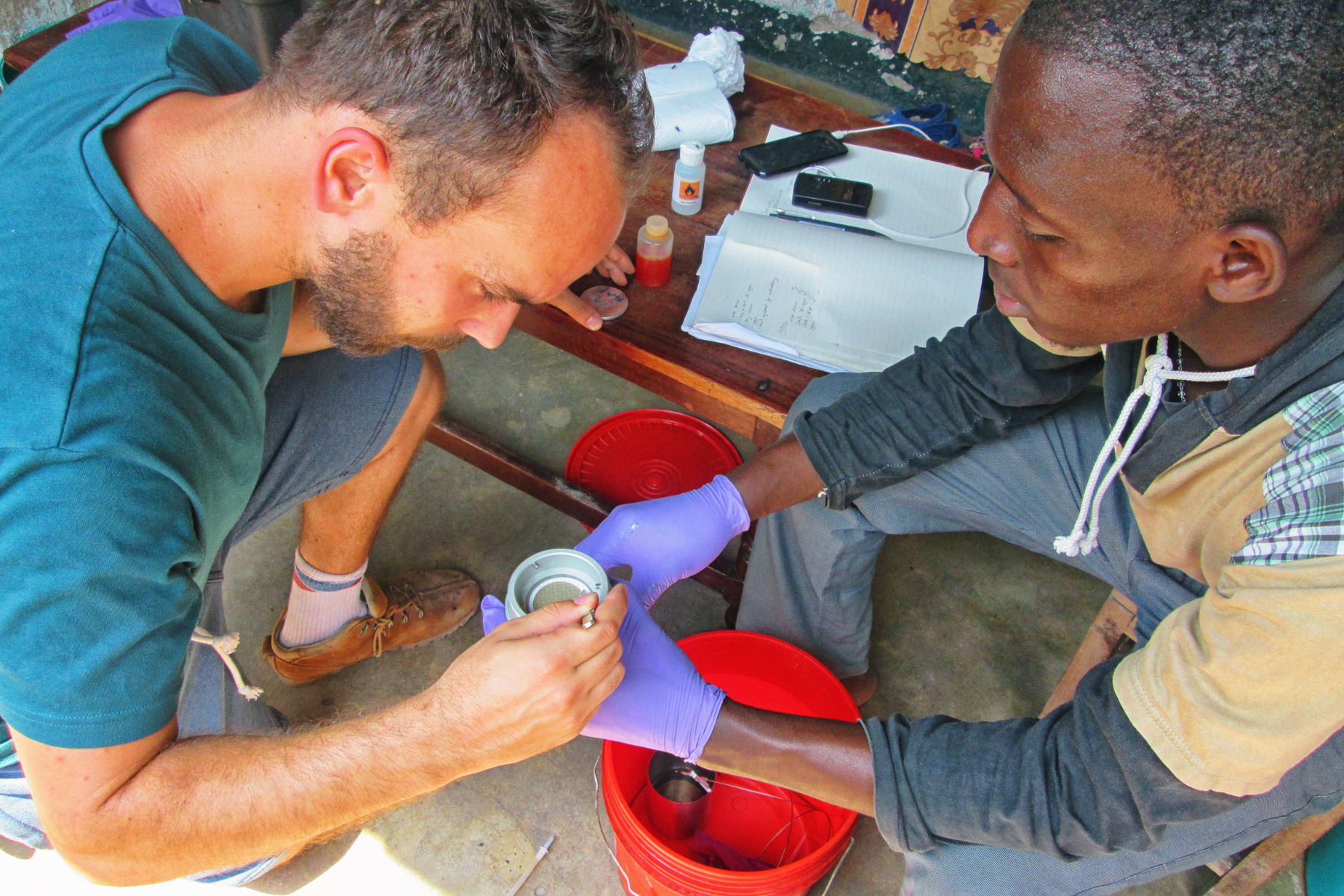
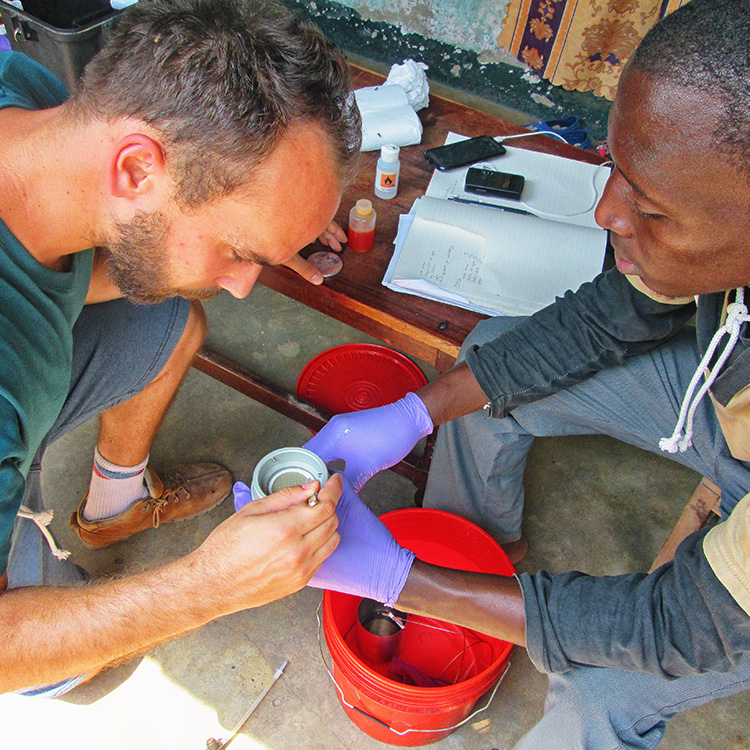
Mike Coto carrying out water testing in Dar es Salaam
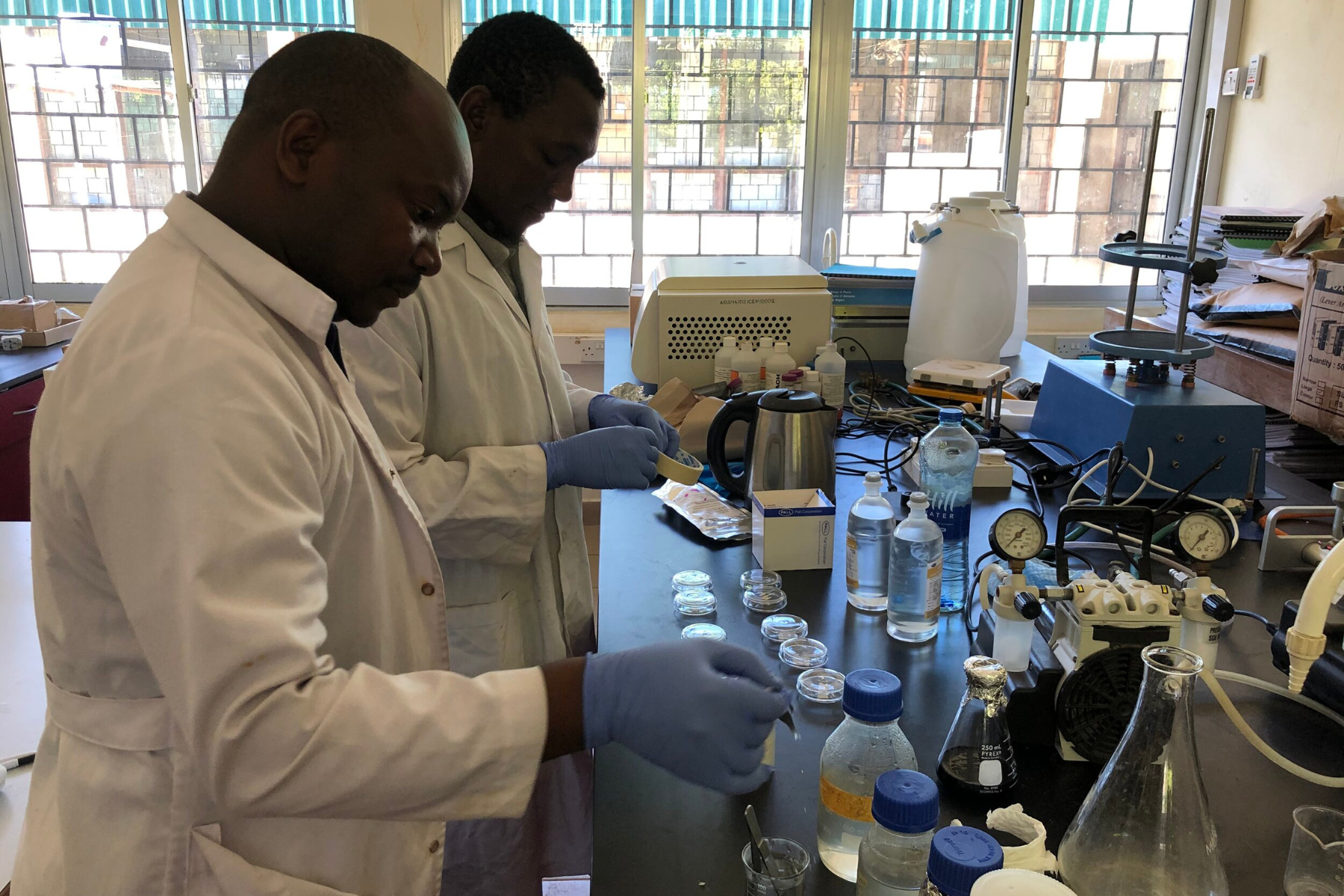
Collaborations to co-create and test solutions

Kiosk deployments in Kenya

Empowering communities, one kiosk at a time
Majicom’s kiosks provide safe water at about half the cost of bottled alternatives, significantly reducing both the financial strain on families and the risk of waterborne diseases. The refill model also cuts plastic waste and lowers the carbon footprint by over 90% compared to bottled water.
Critically, the kiosks are engineered for local assembly and maintenance, creating skilled jobs and ensuring long-term sustainability. Unlike many other providers that rely on slow international supply chains, which often leaves systems out of service for months due to a lack of local technical support or spare parts, Majicom’s approach means systems can be repaired quickly and kept in use.
Beyond water access, Majicom partners with universities to co-develop educational programmes. The Impact Engineer courses use the kiosks as hands-on teaching platforms, giving students and graduates practical experience in engineering and entrepreneurship. These programmes have proven highly effective, with all recent participants saying they would recommend the course and almost all reporting significant improvements in their skills and employability.
“At Majicom, our mission to provide clean, affordable drinking water has been strongly supported by the Cambridge ecosystem.”
Dr Mike Coto continued:
“From access to workshop facilities at Makespace to the financial and strategic support offered by the University, this environment has been instrumental in our development. We now look ahead to our next phase of growth as we scale our kiosk deployment and education programmes across Kenya and Tanzania, and we look forward to continuing close collaboration with our partners in East Africa and the UK.”
Investing in local solutions
Majicom’s progress has been supported by Innovate UK, the Royal Academy of Engineering, the Royal Society of Chemistry, Cisco and Cambridge Enterprise through Cambridge Enterprise Ventures investment. This backing has enabled a co-creation approach, embedding end users in the design process through workshops, prototypes and real-world testing.
Collaborations with local universities, especially Ardhi University in Dar es Salaam, have been crucial to Majicom’s development. These partnerships ensured that solutions were technically robust and socially appropriate, tested with real wastewater in relevant contexts. Building on this foundation, Majicom is now deploying solar-powered kiosks at university sites across Tanzania and Kenya, providing clean water for students and serving as practical teaching tools for engineering education.
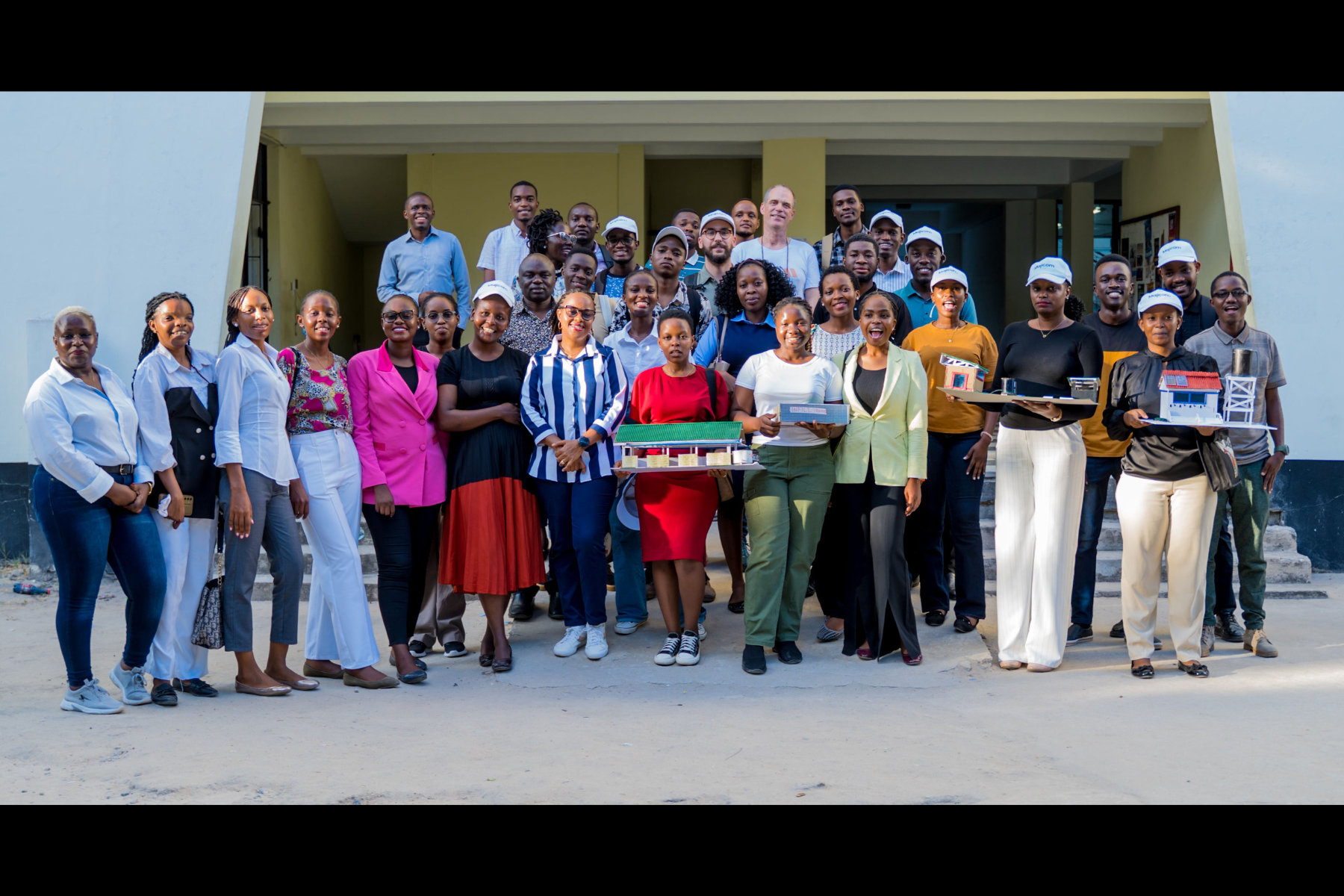
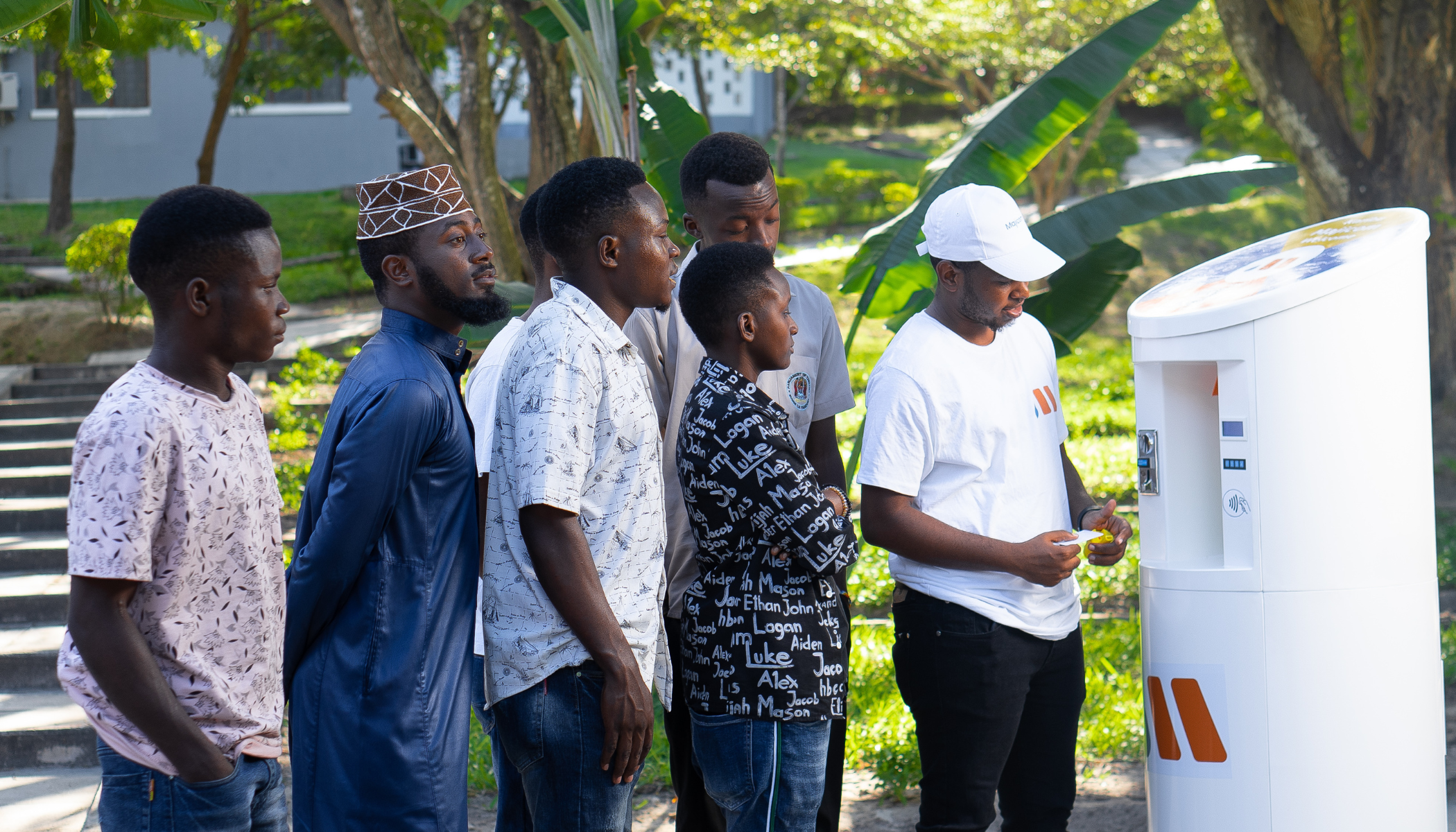
The Impact Engineer cohort 2024
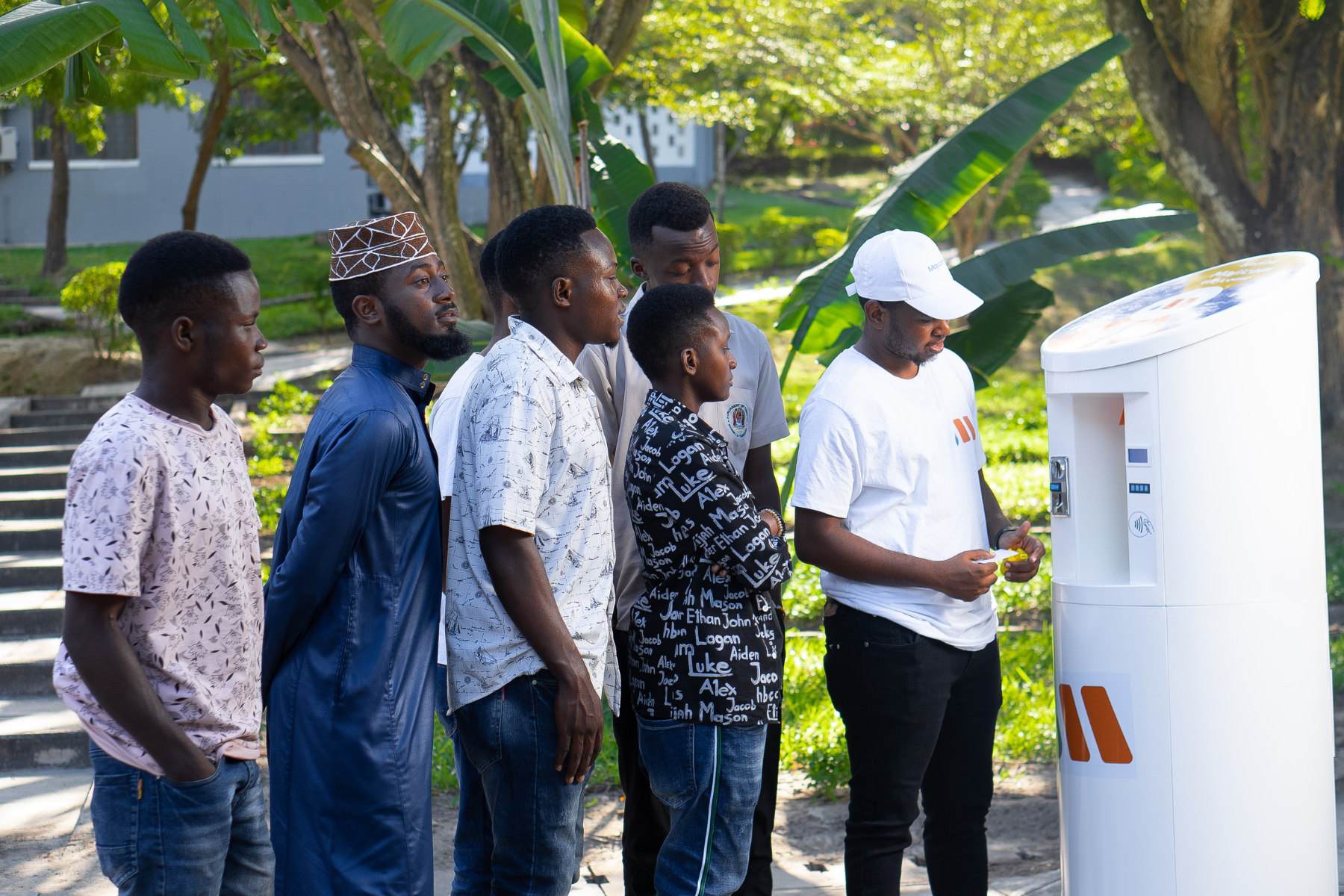
A kiosk on a university campus
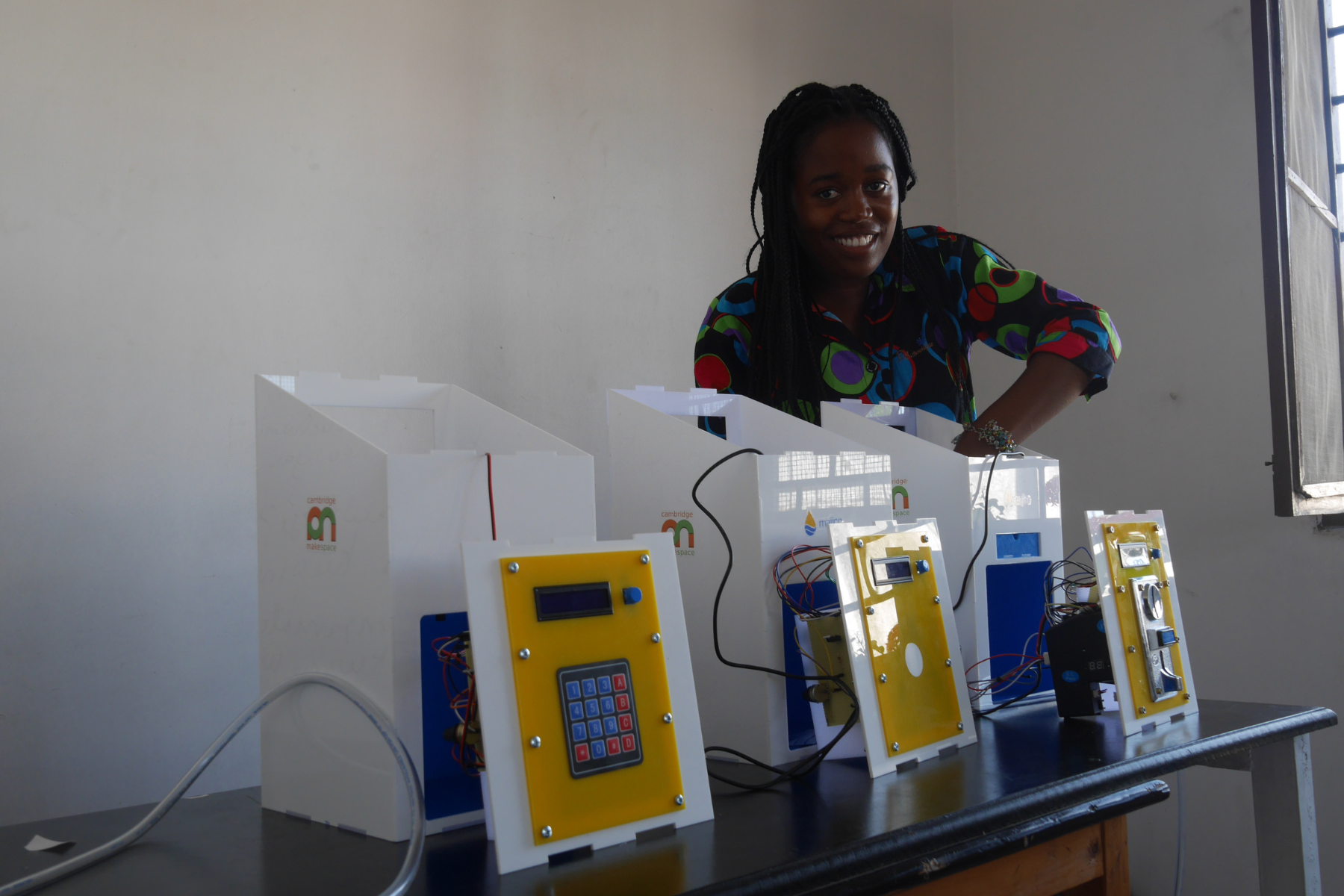
Collaborations to co-create and test solutions
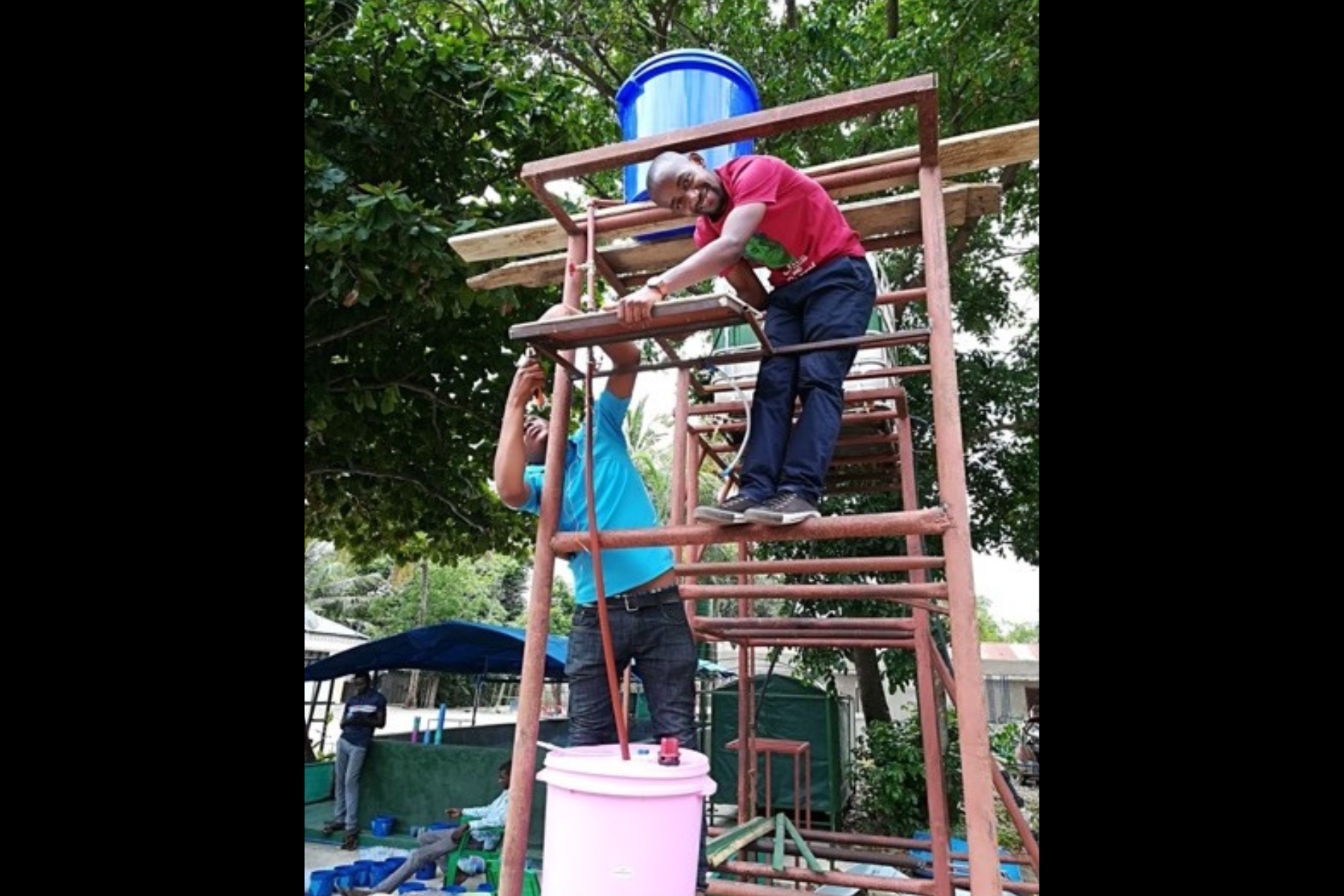
Collaborations to co-create and test solutions
What’s next for Majicom
Majicom has recently expanded into Kenya, launching kiosks at Kenyatta University and the University of Nairobi. Looking ahead to 2026, the organisation plans to scale across multiple universities and localise manufacturing in East Africa, further strengthening sustainability, reducing costs and creating regional employment. With an order backlog of over 30 kiosks at universities across Kenya and Tanzania, the team is focused on rapid deployment.
To support this growth, Majicom is seeking scale-up philanthropic and grant funding. This support will enable the expansion of kiosk networks and educational initiatives, helping to reach more communities with affordable clean water and build local engineering capacity across East Africa.