Insights from Prof Harvey Lodish's talk on 21st July
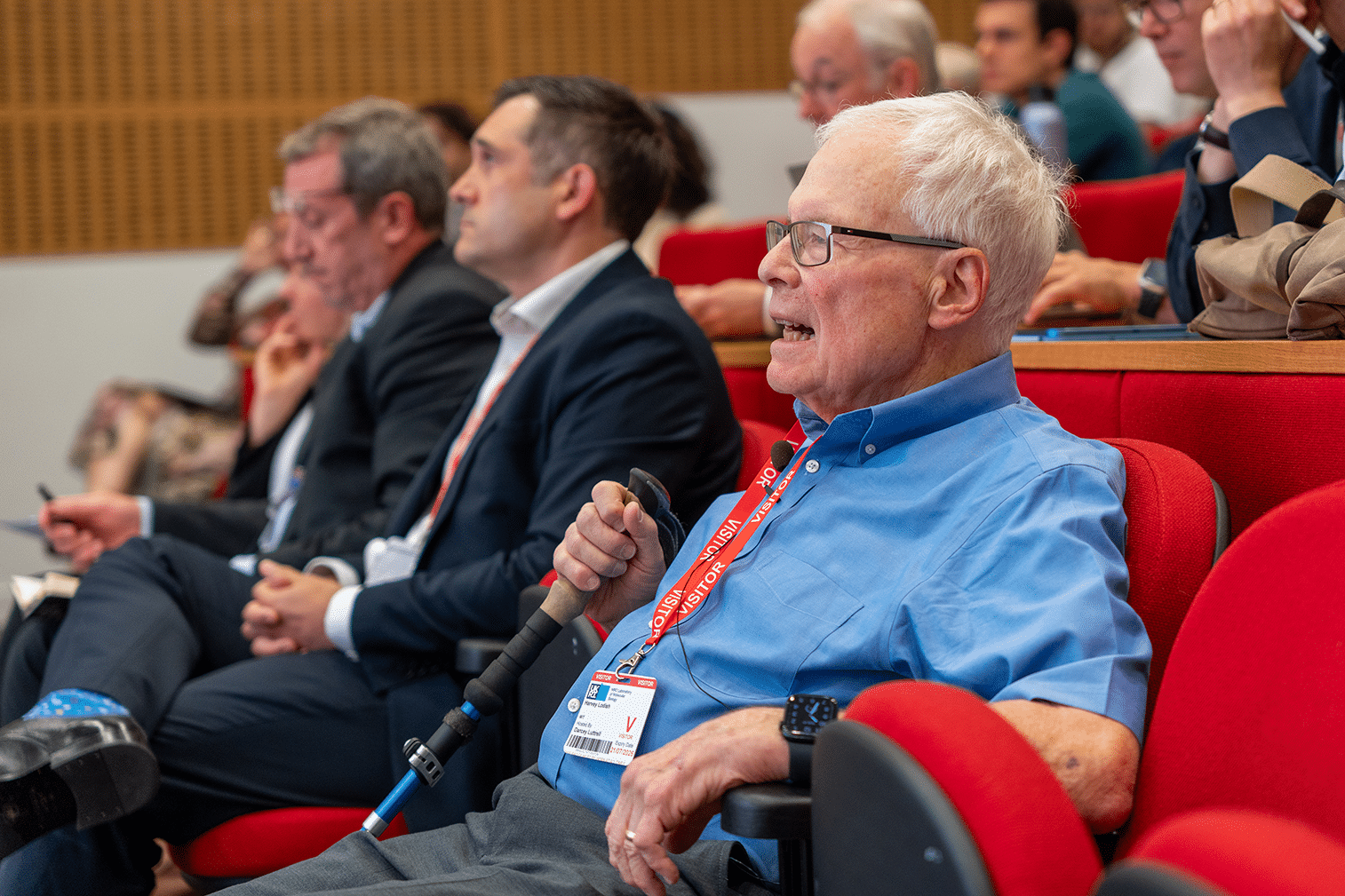
Life SciencesDuring a packed talk at the MRC Laboratory of Molecular Biology, Professor Harvey Lodish, at 84 still an active faculty member at MIT and founder of the Whitehead Institute, looked back at his career, taking us all along on a brief tour of his personal story.
“I was once a postdoc at the LMB,” Professor Harvey Lodish opened his talk with and after a dramatic pause said: “That was almost sixty years ago.”
During that time, he’s not been idle. As a leading academic in Molecular Biology (he literally wrote the book on the topic) Professor Lodish is a reference to many in the life sciences academic world. He is also a serial entrepreneur, this being the main theme of the talk, jointly organised by Cambridge Enterprise and the LMB.
With a bachelor’s in Chemistry and Mathematics and a PhD from Rockefeller University, Professor Lodish boasts a stellar scientific CV, peppered with awards and nominations. In the past decades, his research has been focused on cloning and characterising a vast number of proteins, microRNAs and long noncoding RNAs crucial for red cell development and function. Very early on during the talk, he acknowledged a great mentor, Prof Carl Djerassi, an organic chemist known for the development of the birth control pill.
A biotech serial entrepreneur
As an entrepreneur, Professor Lodish has helped start and grow a number of incredibly successful biotechnology companies, including Genzyme – which was sold to Sanofi for $20.2 billion in 2011 – and Millennium Pharmaceutical, with a more modest, but nonetheless spectacular exit (it was sold to Takeda for $9 bn).
“Something many people don’t like to hear within the academic community is that companies are there to make money. Developing cures for any disease requires for-profit companies. Research work leads to a proof of concept, not a drug, device or diagnostic,” he told a raptured audience.
He stressed the need for Faculty to be involved in building, mentoring and advising entrepreneurs that are keen to build new ventures in the biotech space. “For young entrepreneurs, having a strong academic board that can validate their scientific ideas is vital; for investors, it’s a testament to the venture’s strength,” he stressed.
"Biotechnology is a team sport. It requires excellent science plus business knowledge, Intellectual Property expertise, logistics and operations, and a long etcetera.”
Success and failure: Genzyme and Allozyne
For him, it all started through academic consultancy, a route often ignored by many academic entrepreneurial narratives, but which brings huge value for effective knowledge exchange. It also provides many companies access to the specific knowledge they need to solve their issues, whilst presenting academics with an opportunity to engage with the commercial sector.
After his first interactions with industry as a consultant, he then went to co-found a therapeutics company, Genzyme. The problem it wanted to solve – to effectively develop a drug on a rare disease which affects thousands of patients in the US mainly from Eastern European Jewish descent, Type 1 Gaucher disease. Little did Professor Lodish then know that years later, this effort would come back full circle. Two of his grandchildren, suffering from this same disease, would then be treated by that very same drug he had helped pioneer.
He also shared a less shiny story – a company that failed. “I have deliberately chosen this example to normalise failure in start-up building. It is an integral part of the journey, and we have to become less risk averse”, he said. The company, Allozyne, had developed a molecule that was performing extremely well in clinical trials for a form of multiple sclerosis. The scientific board was formed by eminent professors, including a Nobel Prize winner.
Even though on paper the venture looked designed for success, the company stalled. There simply wasn’t a market need, Professor Lodish told us: “The products out there were already good enough. A Nobel prize is good but it doesn’t guarantee a product” he said.
What one Cambridge can learn from the other
He closed his talk with a reflection. “Biotechnology is a team sport,” he stressed, “it requires excellent science plus business knowledge, Intellectual Property expertise, logistics and operations, and a long etcetera.” This led him to his last point, the success of Cambridge, Massachusetts, and famous Kendall Square:
“It contains all the ingredients for the development of entrepreneurship, such as incubators, lab space, start-ups, venture capitalists, all walking distance from the MIT campus. Emulate this, and innovation will flourish.”
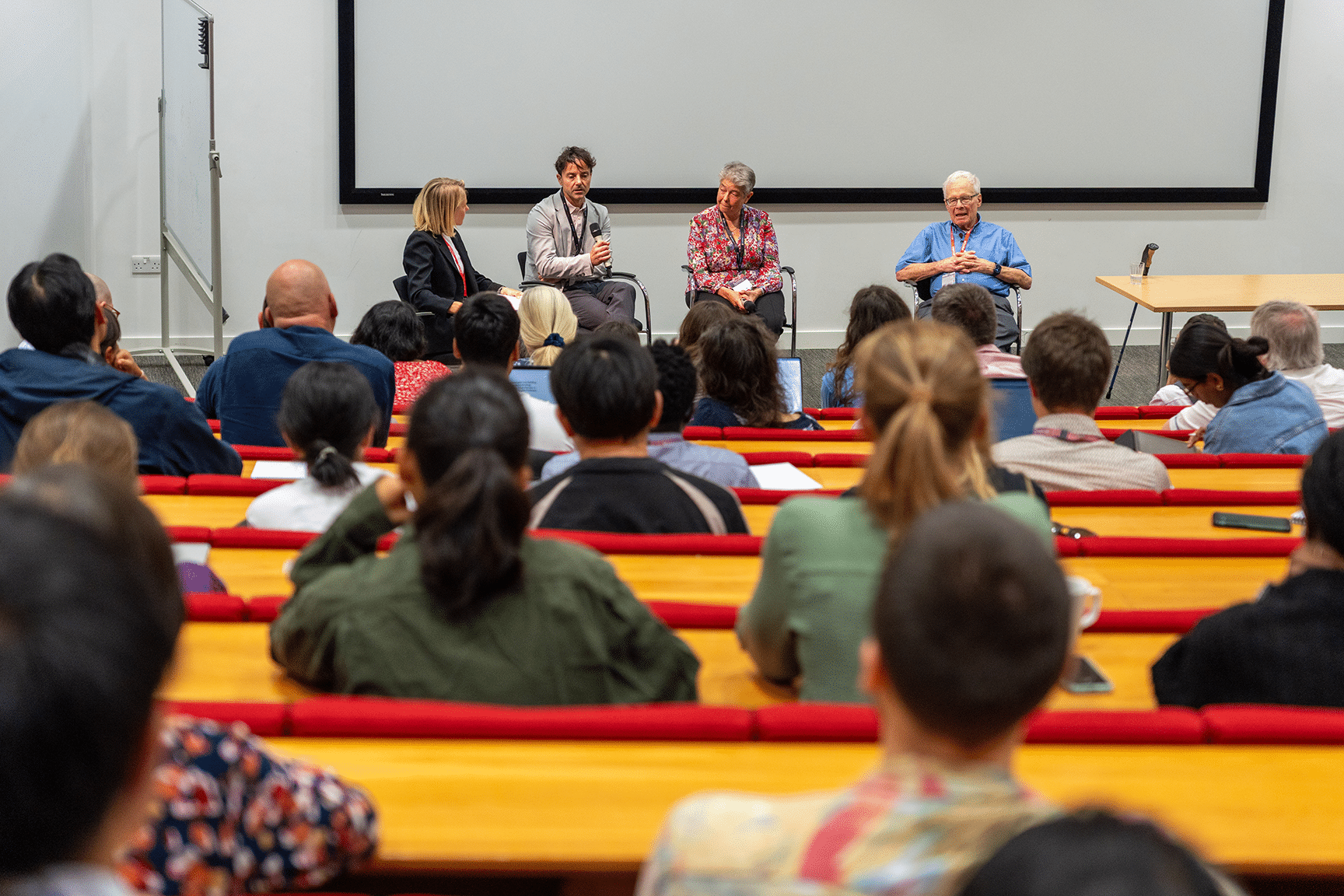
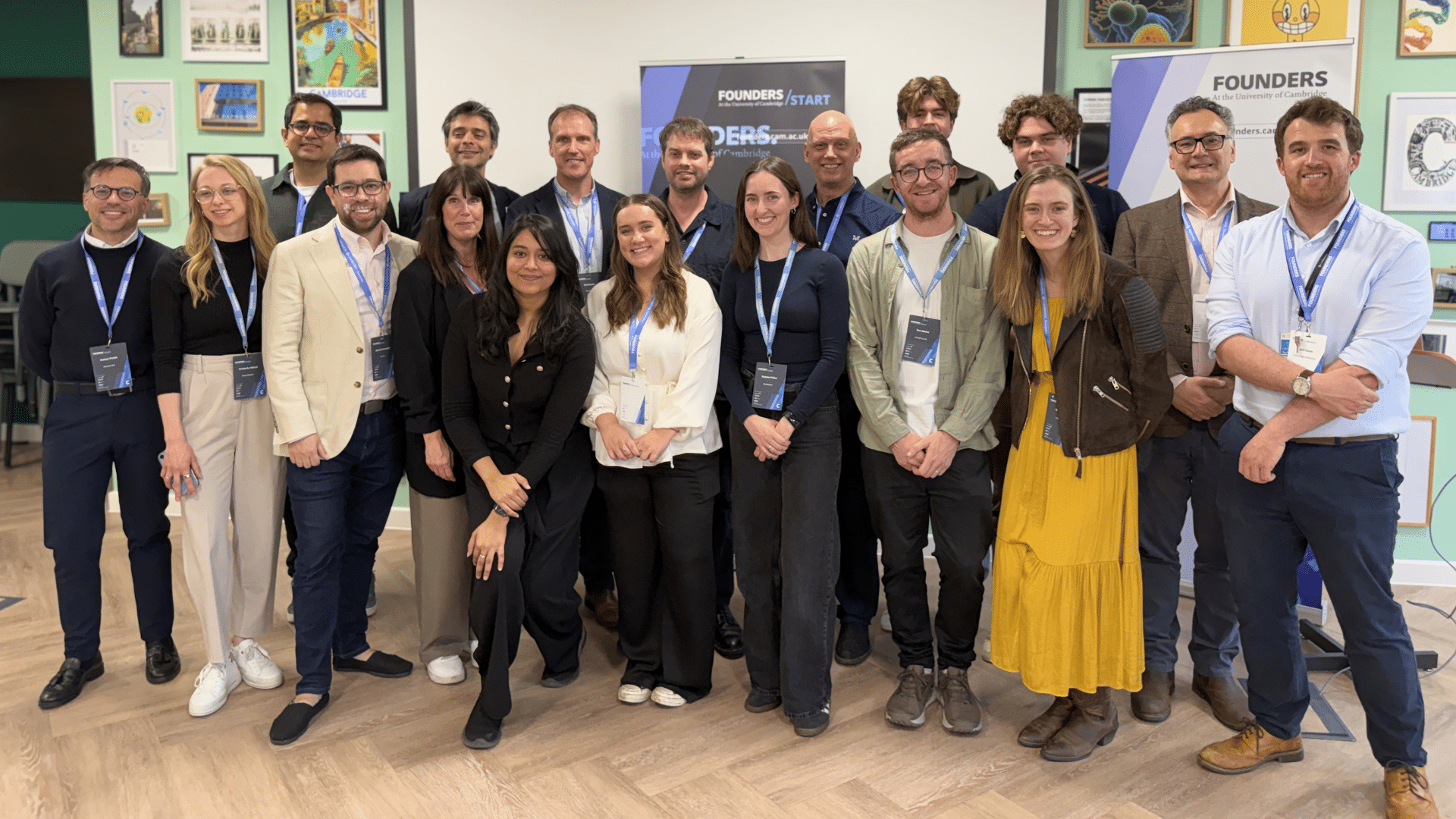
Professor Lodish's talk ended with a Q&A panel moderated by Innovate Cambridge Director, Dr Katrhyn Chapman, and with Dr Julian Gough, CEO and founder of genomics startup OutSee and Professor Fiona Karet, clinical academic nephrologist and founder of Kalium Health. Photo credit: MRC Laboratory of Molecular Biology.
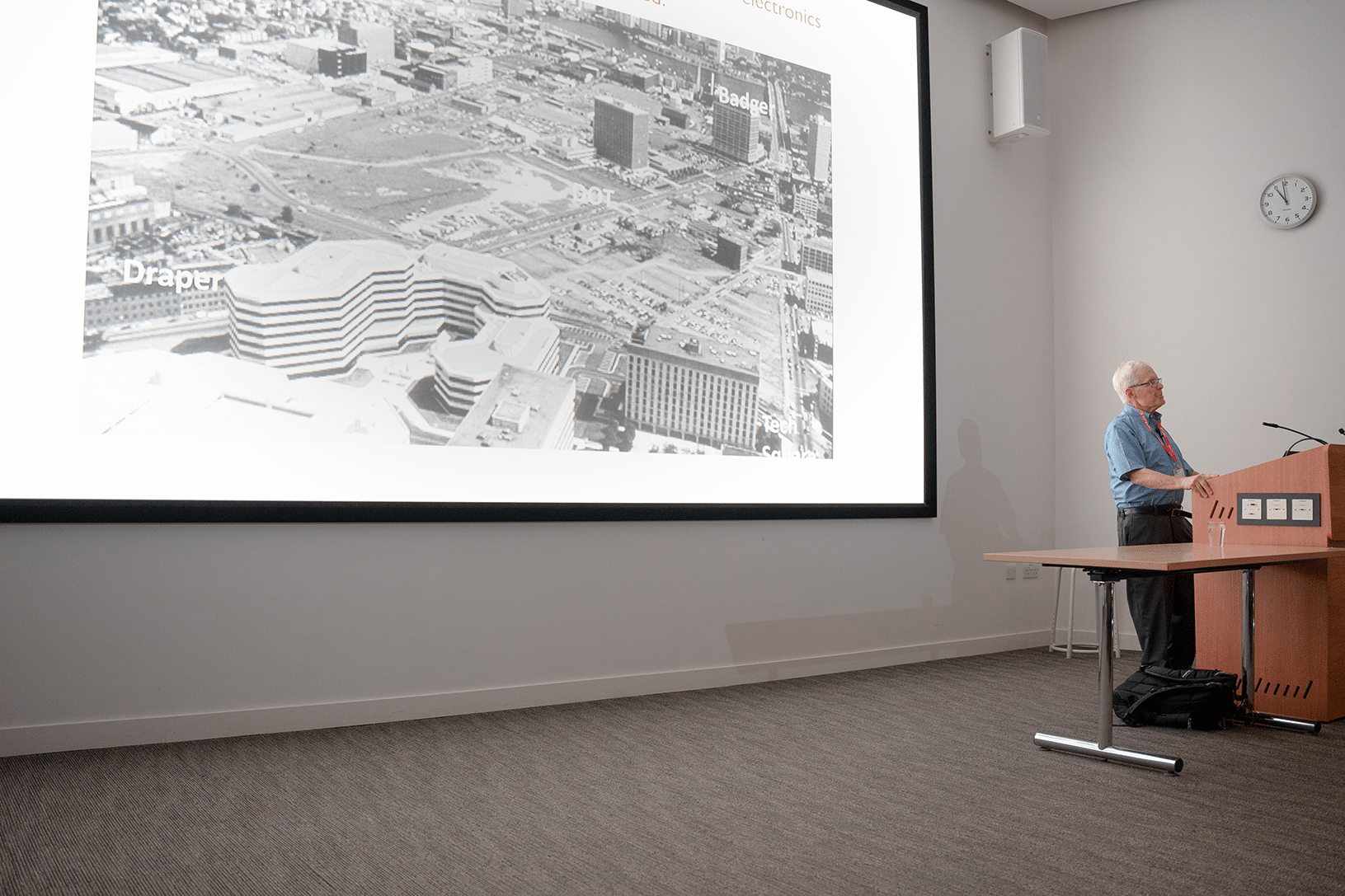
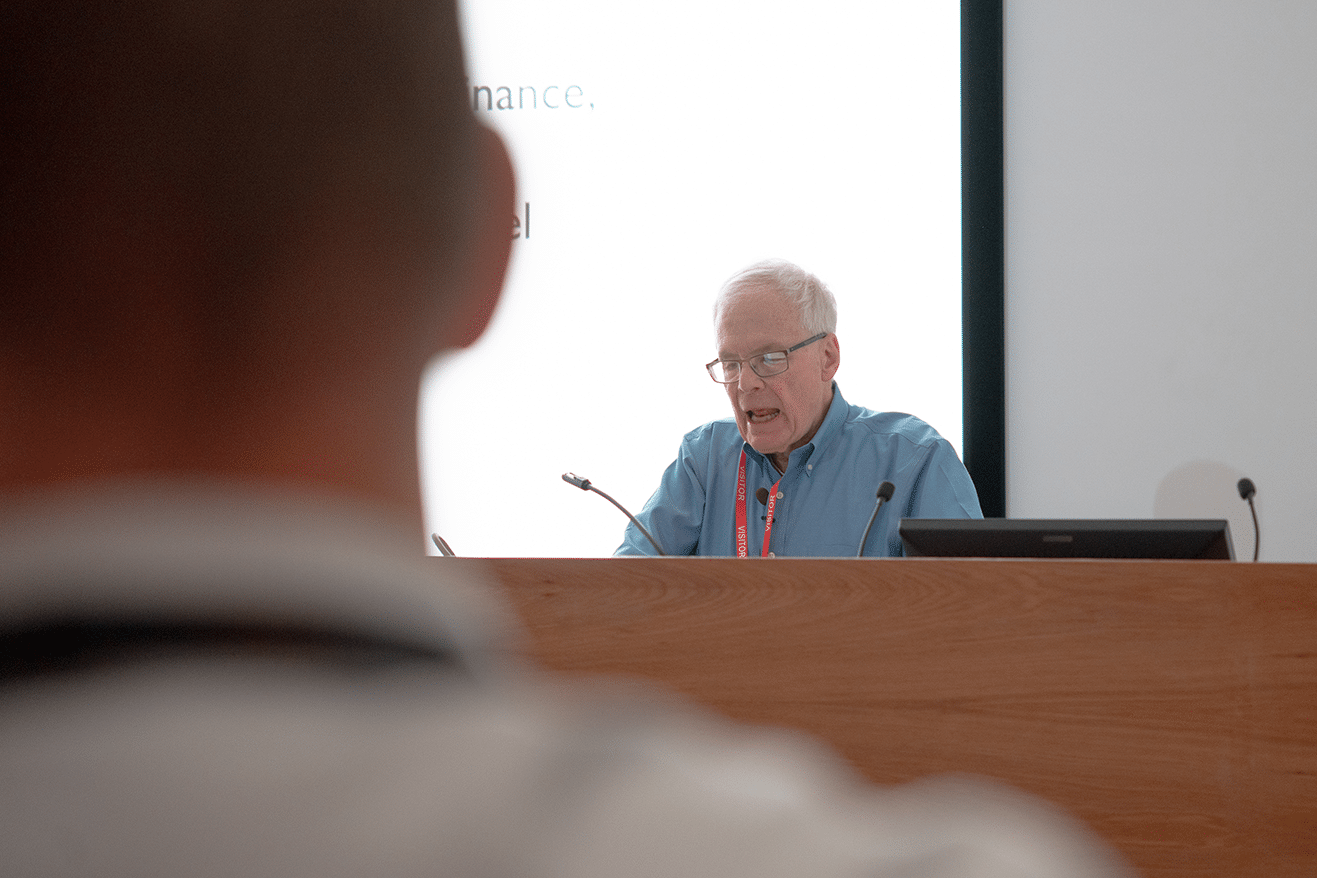
Prof Lodish, at 84, is still an active member of the MIT faculty and open to mentoring and advising young scientific entrepreneurs, as he mentioned during his talk. Photo credit: MRC Laboratory of Molecular Biology.
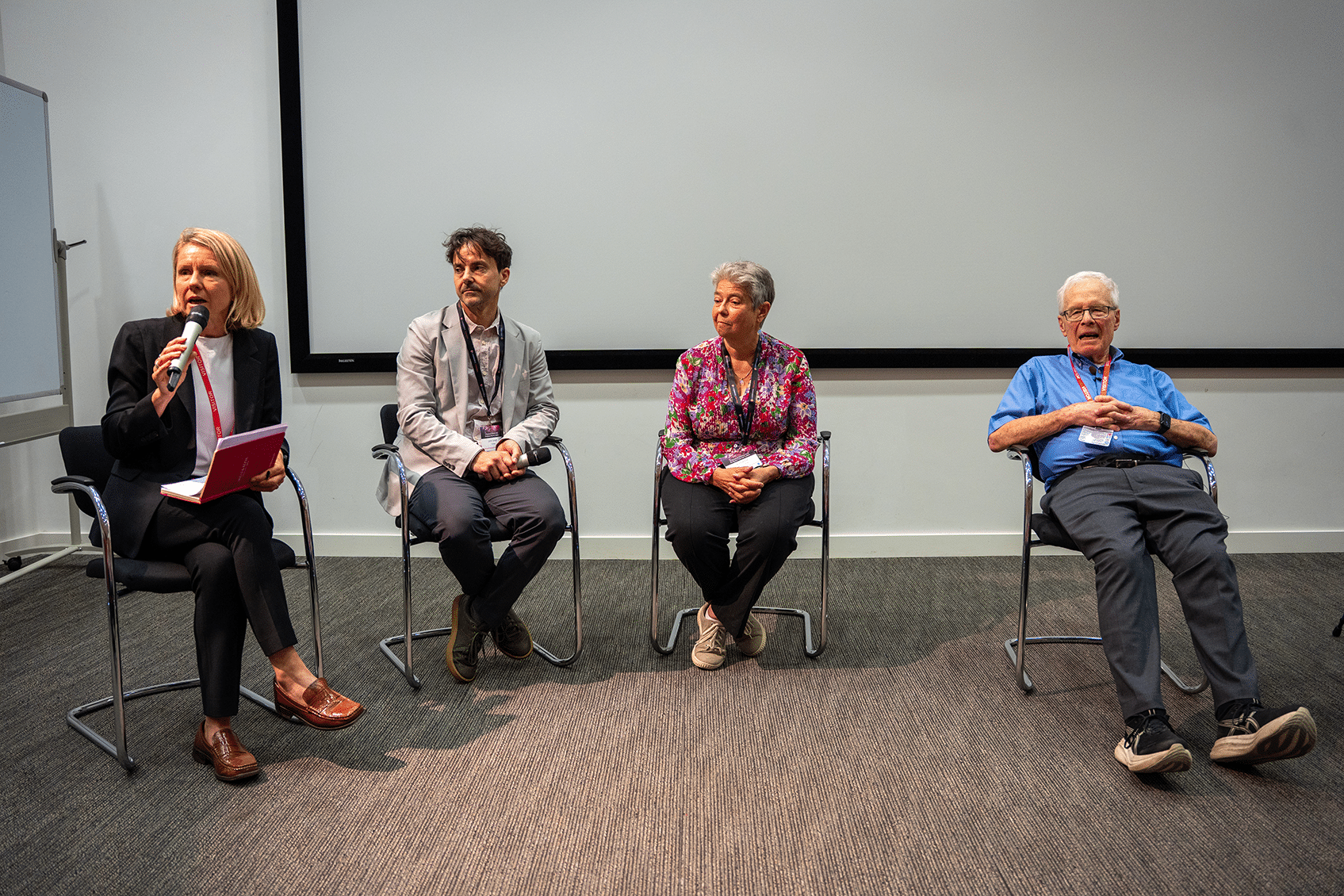
Dr Gough and Professor Karet shared their insights on the entrepreneurial community in Cambridge, and how to better support academic founders. Photo credit: MRC Laboratory of Molecular Biology.