Developing the prototype into a full medical device
SpinoutsAt the University of Cambridge, researchers have developed a new prototype device, like a set of headphones, but for balance disorders such as vertigo. The ear-worn technology helps people with dizziness and balance disorders rehabilitate at home.
It has now secured two major funding awards from UK Research and Innovation (UKRI) and the National Institute for Health and Care Research (NIHR) to help develop the prototype into a full medical device available worldwide.
Fifteen to twenty percent of the adult population suffer from dizziness and balance disorders. Head, eye and body exercises with specialist physiotherapists can help, but this kind of support following falls is only available in a third of NHS trusts . When patients are asked to complete vestibular physiotherapy at home without support, success is often limited. Many people wait years for before being treated.
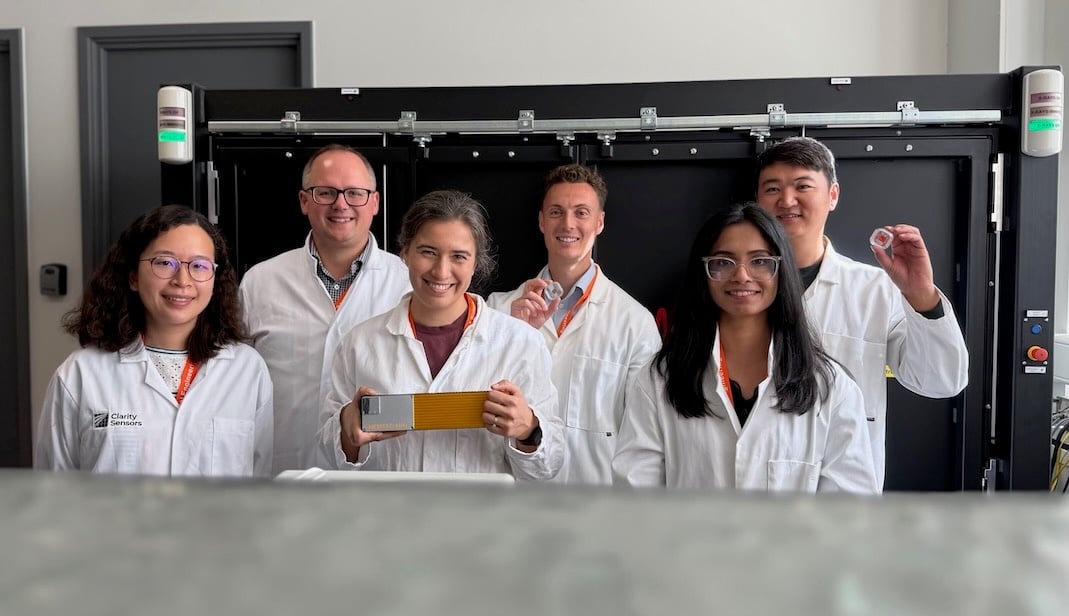
In Cambridge, Professor Manohar Bance leads the SENSE Lab at the Department of Clinical Neurosciences, at the University of Cambridge, investigating devices and treatments for hearing and balance. This includes ‘earables’, custom built 3D printed headsets that measure gait and balance. His research team has now developed the eVRT system: an ear-worn device to measure balance that connects with an app measuring how the exercises are being performed. The app monitors patient progress, and therapists and clinicians can adjust the treatment.
Professor Bance commented:
“Balance disorders affect millions across the UK, our prototype could help lots of patients recover at home. To do this we need to develop the prototype into a full device that can be produced at scale, and we also need to work with clinicians and patients to make sure it is safe, easy to use, and works in practice in domestic settings.”
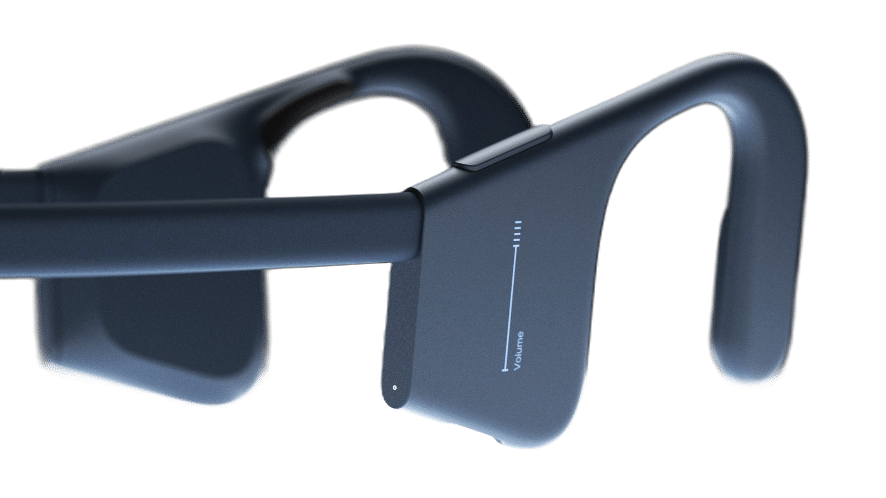
The Pinnacle earable prototype.
Developing the technology
UK Research and Innovation (UKRI) have awarded the project £248,783 to prepare the eVRT system for manufacture, including medical device certification and finding how it could be delivered in different markets, such as the UK, Europe and United States. Medical device specialists Wideblue will advise how the device could be manufactured. Commercialisation of the technology is being planned through Pinnacle Neuroscience, a spinout company being formed with Cambridge Enterprise.
Working with patients
NIHR has awarded £149,918 through its NIHR THRIVE programme to co-develop the final device with patients and healthcare professionals.
NIHR THRIVE (Translate Healthcare Research through InnoVation and Entrepreneurship) is a flagship funding and training initiative supporting early-stage innovations that aim to tackle health inequalities.
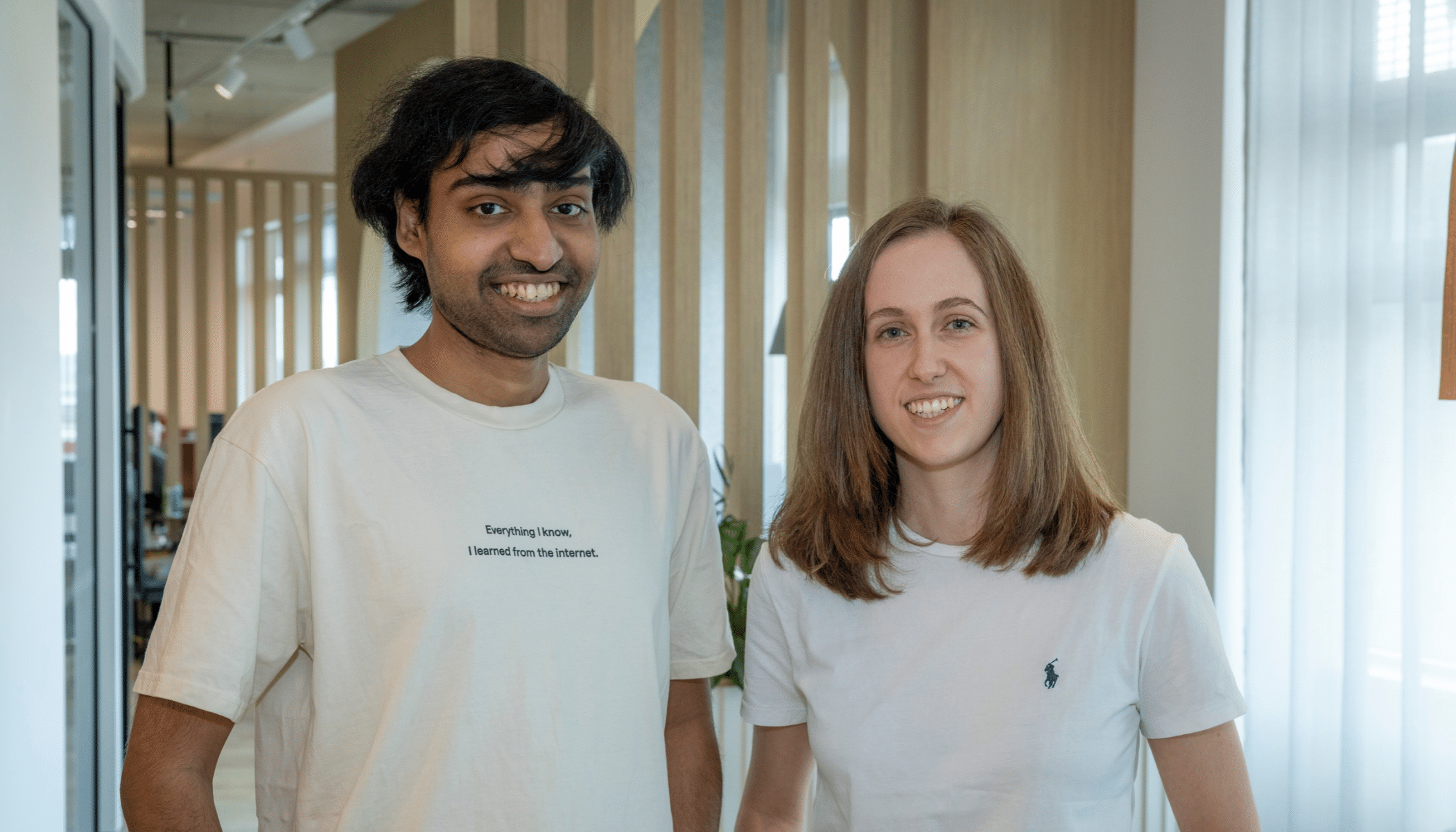
The work funded will include a two-week pilot with patients to test the system in their own homes. Leading the development of the device is Dr Iwan Roberts, a Cohort 1 Cambridge Neuroworks Frontier Fellow. The fellowship, powered by the Advanced Research and Invention Agency (ARIA), designed to accelerate next generation neurotechnologies, supported Iwan to evaluate and understand the steps to translate this technology by understanding the clinical and commercial needs to drive this forward.
Dr Iwan Roberts said:
“To make sure the technology works both at home and real healthcare settings, we will be going direct to clinicians and patients. The device needs to work technically but patients have to engage with it to support their treatment. Otherwise, it won’t work. The best tech can’t do anything if it’s stuck in a drawer.”
The patient and public involvement in the project will be led by Joanne Lloyd, who will run interviews with patients, carers and clinical stakeholders across the UK.
Lloyd commented: “People living with dizziness and balance problems often face long waits and real barriers to accessing specialist care, especially if they have mobility issues, caring responsibilities or live far from services. What matters to me in this project is that patients are shaping the design from the very beginning. Their experiences will guide how the device works in real homes and everyday life, making it more comfortable, more usable, and ultimately more effective for the people who need it most.”
In addition to the two new grants, the project had previously received a Technology Investment Fund (TIF) award of £145,000 from Cambridge Enterprise due to its translational potential, with the funding aimed at helping design and test devices with patients at home.
With the new funding the programme aims to ensure specialist therapy is available to every patient in the future.
“We know vestibular rehabilitation works when patients can access it,” said Dr Roberts. “An ear-worn sensor can see whether a balance exercise is being done correctly, something a paper handout can never do. It estimated that half a million adults in the UK live with significant dizziness, many waiting years for the support they need. Where you live still decides whether you get treated, we hope this device can solve that.”